
Immigration Translation Results That Support Approval
Get immigration translation results you can trust with certified document translations that protect meaning, meet USCIS needs, and keep cases moving.
Read more
A campaign can be perfectly written in English and still fail when it reaches a new market. The problem is rarely the product alone. A slogan may sound overly informal, a product claim may raise regulatory concerns, or an image meant to convey independence may feel out of place in a culture that values community. Marketing localization for global markets addresses these details before they damage trust.
For organizations expanding internationally, localization is not a cosmetic final step after a campaign is complete. It is the work of making a brand message understandable, relevant, compliant, and persuasive for the people expected to receive it. That requires more than replacing words from one language with another.
Translation focuses on accurately rendering meaning from a source language into a target language. It is essential for brochures, product descriptions, websites, contracts, training materials, and campaign copy. In marketing, however, accuracy alone may not produce the intended response.
Localization applies a wider lens. It considers regional language preferences, cultural references, measurements, currency, date formats, visual choices, search behavior, local competitors, and rules around advertising claims. A US campaign built around a seasonal event, a sports reference, or a casual call to action may need significant adaptation for another audience.
Consider a healthcare organization promoting a patient portal in multiple languages. A direct translation of the instructions is necessary, but it may not be enough. Some audiences may need clearer explanations of privacy protections, while others may respond better to a more family-centered message. The localized version should preserve the organization’s intent while giving each audience a practical reason to act with confidence.
This distinction matters most when the message carries consequences. In healthcare, pharmaceutical, legal, financial, education, and government communications, vague wording or culturally inappropriate language can create confusion, reduce participation, and expose an organization to risk.
Effective localization begins before content enters a translation workflow. It starts with a review of what the campaign is trying to achieve, who it needs to reach, and what each market requires.
The work often includes adapting headlines, taglines, product descriptions, emails, social media content, paid advertising, video scripts, and website landing pages. It may also involve reviewing graphics, captions, audio, forms, customer support materials, and app interfaces. Every customer-facing element should support the same message without assuming that every audience interprets it in the same way.
Language variation deserves close attention. Spanish for a general US audience, Mexican Spanish, and Spanish used in parts of the Caribbean may share a foundation while differing in vocabulary, tone, and preferred expressions. The same is true for French, Portuguese, Arabic, Chinese, and many other languages used across multiple countries and communities. A qualified linguist can identify when a general-language version is appropriate and when market-specific adaptation is the better choice.
Localization also requires restraint. Not every campaign needs to be recreated from the ground up. If the original visual identity, product benefit, and call to action travel well, targeted changes may be sufficient. The right level of adaptation depends on the market, the industry, the campaign budget, and the risk attached to getting it wrong.
The easiest content to localize is content designed for localization from the beginning. Clear source copy gives translators and reviewers room to make sound decisions without guessing at the brand’s intent.
Avoid slogans that depend entirely on puns, unexplained acronyms, or highly local cultural references. These elements are not always unusable, but they require planning. If a phrase is central to a campaign, provide context: Who is the audience? What feeling should the message create? Is the phrase meant to be playful, authoritative, urgent, or reassuring?
A practical source-content brief should explain the campaign objective, intended action, target market, audience profile, brand voice, required terminology, and any wording that cannot change. Providing approved product names, glossaries, prior translations, and style preferences also reduces delays and improves consistency.
For regulated organizations, the brief should identify claims that require exact treatment and content that needs legal, medical, or compliance review. Localization specialists can adapt language effectively, but they should not be asked to infer a clinical claim, regulatory condition, or legal distinction that has not been defined by the client.
A strong review process protects both quality and speed. Marketing content benefits from a native-language translator with relevant subject expertise, followed by editing or review by another qualified linguist. For high-visibility campaigns, in-market review can provide an added layer of confidence by checking whether the final message feels natural to the people it is meant to reach.
The client’s role is equally important. A marketing lead can confirm brand intent. A product owner can verify features and terminology. A compliance or legal reviewer can identify required phrasing. The language partner coordinates these perspectives so feedback is consolidated rather than scattered across multiple versions of the same file.
This structure prevents a common problem: internal reviewers who know the target language but are not given localization guidance may replace accurate, audience-appropriate copy with literal wording. Their feedback is valuable, especially when they know the market, but it should be evaluated within an organized linguistic process.
A localized ad that leads to an English-only form creates friction at the moment interest becomes action. The same issue appears when a translated website directs customers to support staff who cannot communicate in their preferred language, or when a multilingual event promotion is followed by English-only registration instructions.
Review the complete path: advertisement, landing page, form, confirmation email, sales follow-up, customer support, and post-purchase information. For organizations serving people with limited English proficiency, this may also include telephone interpretation, video remote interpreting, translated consent forms, and multilingual training materials.
This is especially relevant to hospitals, universities, public agencies, immigration professionals, and employers with international workforces. Marketing may be the first point of contact, but trust is maintained through every subsequent interaction. If a customer cannot understand the next step, even an excellent campaign has not done its job.
Click-through rate can help compare campaign performance, but it does not tell the whole story. Localization should be evaluated against the action that matters: completed applications, appointments scheduled, qualified leads, registrations, purchases, or customer retention.
Compare results by market and language, while accounting for differences in media spend, timing, channel use, and local competition. If a localized campaign receives strong engagement but weak conversions, the issue may be the landing page, price display, payment process, or support experience rather than the translated copy.
Feedback from local teams and customers also matters. Repeated questions about a term, hesitation around a form, or negative reactions to an image can reveal a localization issue that analytics alone will miss. Treat these findings as useful evidence for refining future campaigns, not as a reason to make unreviewed changes on the spot.
Marketing localization needs creative judgment, but it also needs disciplined quality control. A dependable language partner should provide native human linguists, subject-matter expertise, confidentiality protections, clear project management, and realistic turnaround expectations. For campaigns involving healthcare, pharmaceutical, government, legal, or education audiences, experience with specialized terminology is not optional.
Lenguae helps organizations pair culturally accurate language with the practical support needed for multilingual communication, from translated campaign materials to interpreting and language training. The goal is not simply to make content available in another language. It is to help every audience understand the message, feel respected, and know what to do next.
When expansion plans move from strategy to execution, begin with the people you want to reach. Their language, expectations, and decision-making context should shape the campaign from the first draft, not after the launch date is already set.
Send us your documents
now and we will get back to
you with a free quote!
"The methodology, material and excellent teachers make Lenguae the best option for the personalized of English, as the learning.”

Get immigration translation results you can trust with certified document translations that protect meaning, meet USCIS needs, and keep cases moving.
Read more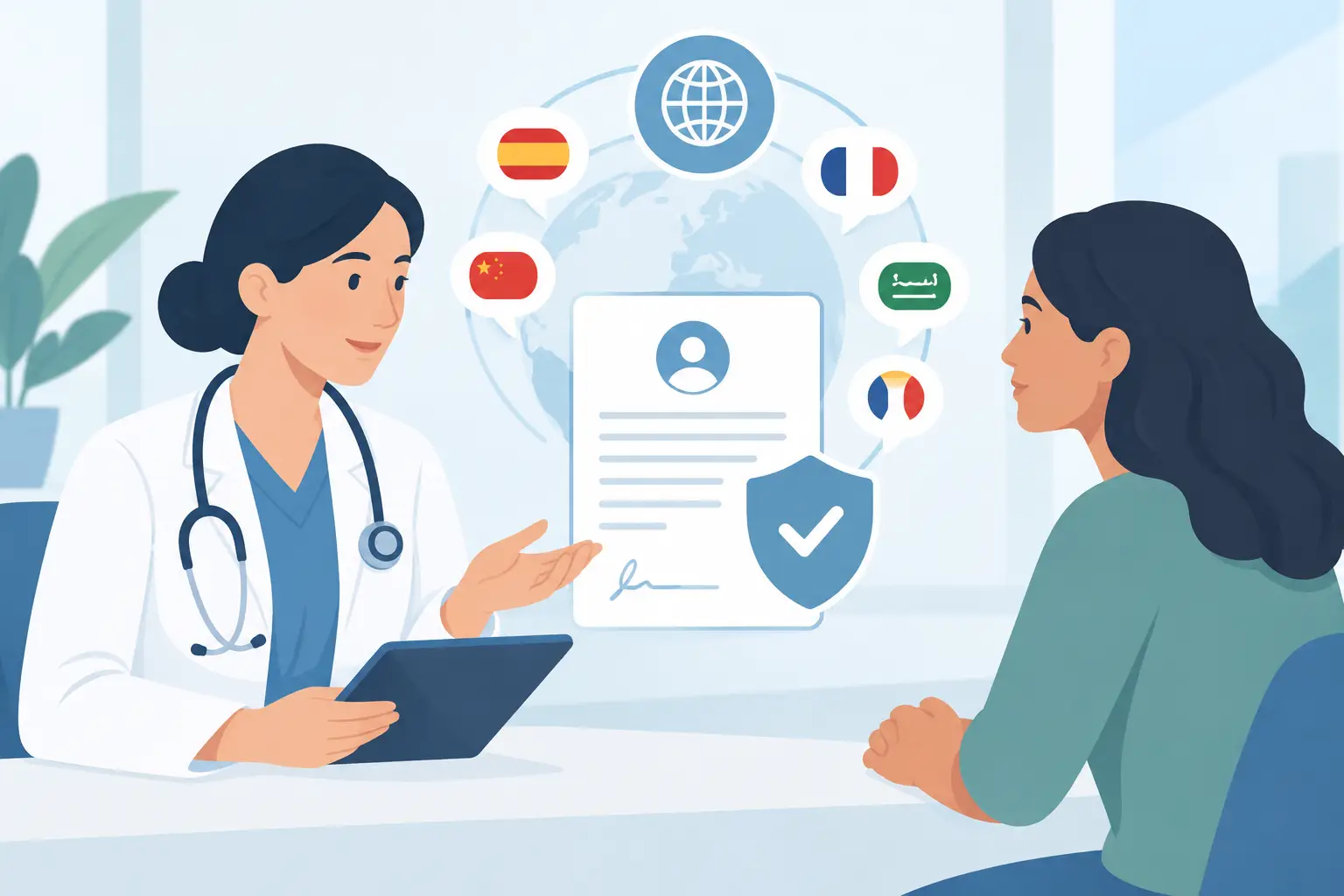
Medical consent translation protects patient choice, supports informed care, and helps providers communicate clearly across languages and cultures safely.
Read more
Conference interpreters help multilingual events run clearly and confidently. Learn how to choose the format, team, and preparation for every audience.
Read more
Medical translation protects patient safety, supports informed consent, and helps healthcare teams deliver clear, compliant care across languages safely.
Read more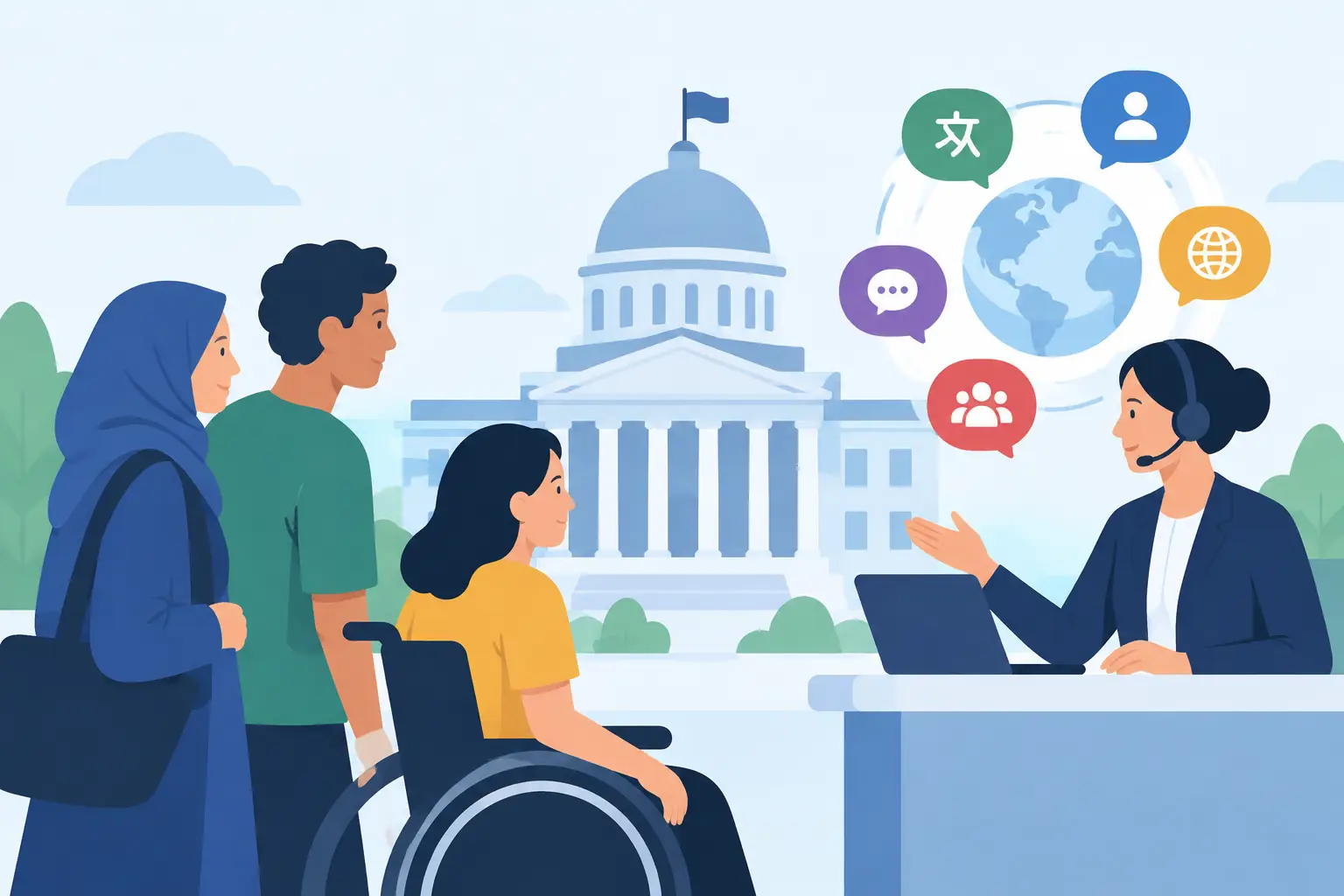
Government translation gives agencies accurate, confidential communication and interpretation so residents can access vital public services with confidence.
Read more
Lenguae aims to teach language in a comprehensive way. With our courses, you will learn to understand and express yourself in both in writing and speaking, while also getting in touch with the culture of the countries that speak the language you’re learning. All our teachers are experienced in language teaching, being either native speakers or having lived abroad.
Career at Lenguae
