
Medical Translation That Protects Patient Care
Medical translation protects patient safety, supports informed consent, and helps healthcare teams deliver clear, compliant care across languages safely.
Read more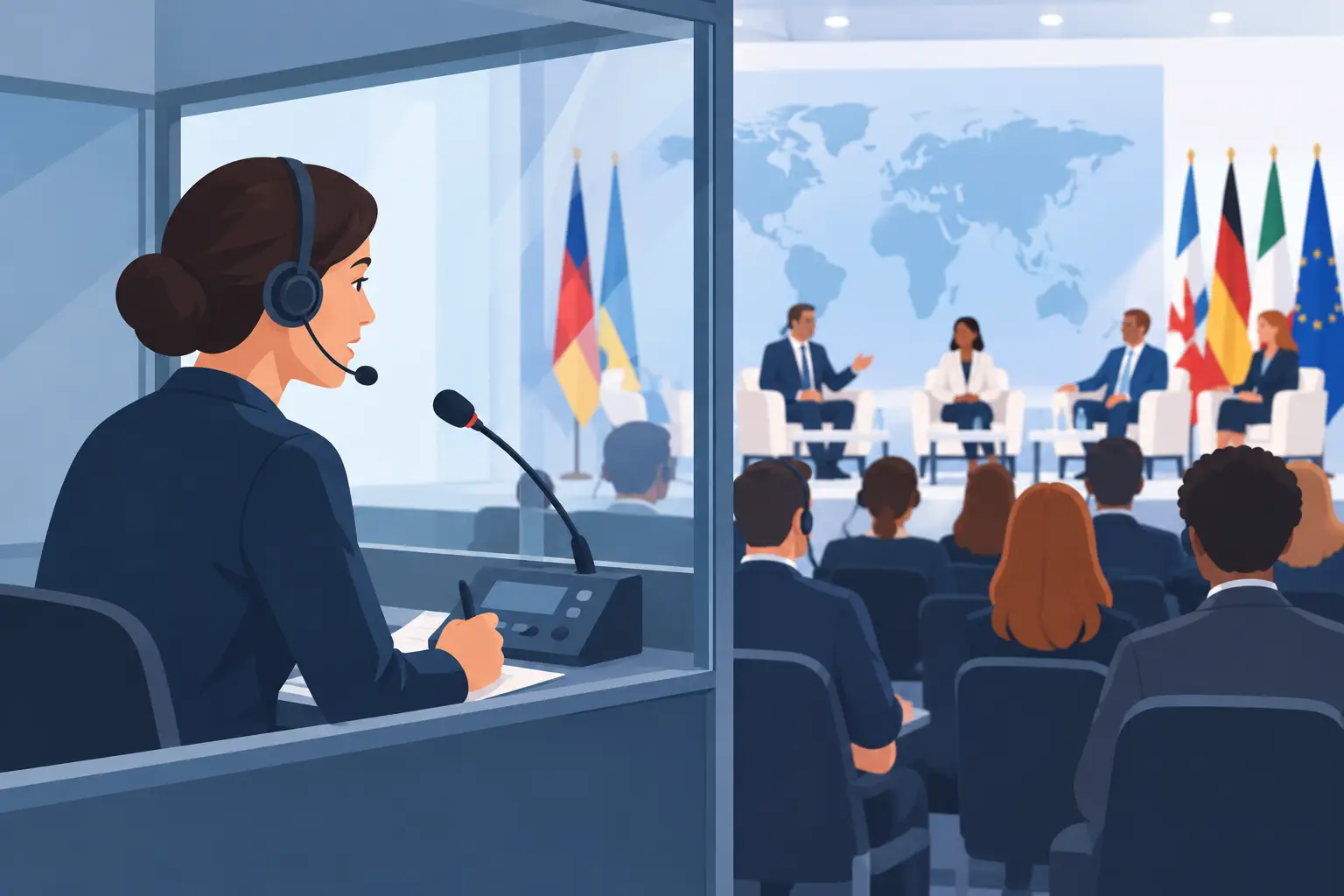
A keynote begins, the room is full, and a crucial point is lost because half the audience cannot follow it in real time. That is not a minor event-production issue. For a medical symposium, public meeting, investor briefing, training session, or international conference, conference interpreters determine whether every participant can contribute, understand, and act with confidence.
The right interpretation plan does more than translate words. It preserves meaning, tone, technical terminology, and cultural context while keeping pace with a live program. When the subject involves healthcare, law, government, pharmaceuticals, education, or business strategy, that level of accuracy protects both the audience experience and the organization behind the event.
Conference interpreters convey a speaker’s message orally from one language into another during a live event. Their work may be delivered through headsets in a conference room, over a remote platform, or through a hybrid setup that serves people in both places.
This is different from document translation and different from the interpretation often used for a one-on-one appointment. At a conference, interpreters must process information immediately, follow the speaker’s intent, and deliver a clear message to listeners without disrupting the program. They may encounter specialized language, fast-paced presentations, audience questions, acronyms, humor, and references that only make sense in a particular cultural setting.
A qualified interpreter does not repeat words mechanically. They make informed, rapid decisions so the meaning lands correctly for the audience. That requires advanced language ability, professional interpreting training, subject-matter preparation, and discretion.
The best format depends on the size of the audience, the languages involved, the venue or platform, and how the program is designed. Planning this early prevents avoidable technical and scheduling problems.
In simultaneous interpretation, the interpreter speaks while the presenter is speaking, usually with only a short delay. Attendees listen through headsets or a remote audio channel in their preferred language. This is the standard choice for conferences, formal presentations, panels, and multilingual meetings where the agenda needs to move efficiently.
Because simultaneous work requires intense concentration, interpreters normally work in pairs for each language direction and rotate at regular intervals. A team approach is not an extra luxury. It helps maintain accuracy, consistency, and vocal clarity over a full program.
In consecutive interpretation, the speaker pauses after a short section so the interpreter can deliver the message in the other language. It is often effective for smaller meetings, executive discussions, site visits, press events, and sessions where a more conversational pace is acceptable.
The trade-off is time. A program using consecutive interpretation can take substantially longer than one using simultaneous interpretation. For an event with a packed schedule or several languages, simultaneous interpretation is usually the more practical option.
Remote interpreting gives organizations more flexibility when speakers, interpreters, and attendees are in different locations. It can be a cost-conscious solution for virtual conferences, webinars, training sessions, and meetings with dispersed participants. Hybrid interpretation supports an in-person audience alongside remote speakers or attendees.
Remote delivery still needs professional planning. Audio quality, platform access, separate language channels, technical support, and backup procedures all affect whether attendees can hear and understand the interpretation. A poor microphone can undermine even the most experienced interpreter.
Language fluency is essential, but it is only the starting point. The right team should have demonstrated experience in the subject matter and the interpreting mode your event requires. A healthcare conference may involve clinical terminology and patient-safety language. A legal program may require careful handling of procedural terms and confidential material. A government forum may call for familiarity with public-sector terminology and formal protocol.
Ask about the interpreter’s experience with your field, the language direction required, and their ability to work with your event technology. Native-level command of the target language matters because attendees should hear language that is natural, precise, and appropriate for the setting.
Confidentiality also deserves direct attention. Event materials can include unreleased research, legal strategy, personnel information, financial results, or protected health information. A professional language partner should treat agendas, slide decks, recordings, participant details, and discussion content with care.
Finally, consider capacity. An event may require more than one language pair, more than one room, or coverage across multiple days. A capable agency can coordinate qualified teams, schedules, equipment needs, and contingencies without asking the organizer to manage each piece separately.
The strongest interpretation starts well before anyone enters the room. Event organizers should provide materials as early as possible, including the agenda, speaker biographies, presentation slides, scripts, glossaries, acronyms, videos, and prior-year materials when relevant. Even draft materials are useful.
This preparation lets interpreters research terminology, identify ambiguous phrases, and understand the purpose of each session. For a pharmaceutical meeting, for example, a term may have a specific regulatory meaning that differs from its everyday use. For a university event, department names, program titles, and institutional language should be rendered consistently. Preparation supports accuracy without slowing the live program.
It also helps to identify the audience. Are participants industry specialists, community members, patients, prospective students, employees, or government stakeholders? The interpreter’s language should be accurate for the topic while remaining accessible for the people listening.
Assign one event contact who can answer last-minute questions about speakers, schedule changes, terminology, and logistics. Conference programs change quickly. A speaker may replace slides, a panel may run over time, or a session may move to a different room. Fast communication allows the interpretation team to adapt without creating confusion for attendees.
If the program includes question-and-answer periods, decide in advance how microphones and language channels will work. Participants should know how to ask questions in their preferred language and how responses will be interpreted. These details may feel small, but they determine whether multilingual attendees can participate fully rather than simply listen.
For on-site simultaneous interpretation, the venue may need interpreter booths, consoles, receivers, headsets, microphones, and an audio distribution system. Booth placement matters. Interpreters need a clear view of the speaker and presentation screens, as well as reliable sound.
For remote events, test the platform and audio channels before the program begins. Speakers should use stable internet connections and quality microphones whenever possible. Background noise, crosstalk, and screen-sharing delays make real-time interpretation harder and can frustrate listeners.
Hybrid events require especially careful coordination because the in-room sound system and the virtual platform must work together. Build in time for a technical rehearsal with the interpreters, presenters, and event team. It is far easier to fix an audio-routing issue before attendees arrive than during a keynote.
Interpretation costs vary based on languages, event length, number of interpreters, delivery format, equipment, technical support, travel, and preparation requirements. The lowest quote is not always the lowest-risk choice. Understaffing a full-day event, relying on unprepared interpreters, or skipping the technical rehearsal can lead to missed content, attendee complaints, and reputational damage.
At the same time, a thoughtful plan can control costs. Remote interpreting may reduce travel needs. Sharing materials early reduces last-minute preparation pressure. A clear agenda helps determine staffing accurately. The goal is not to overbuild the service, but to provide the level of support the event and its audience genuinely require.
Lenguae helps organizations plan conference interpretation around their languages, subject matter, audience, and delivery needs. With experienced professionals and flexible on-site and remote options, the focus stays where it belongs: helping every attendee receive the message clearly.
A multilingual event succeeds when language is no longer a barrier to participation. Give interpreters the preparation, technology, and professional support they need, and your audience can focus on the ideas that brought them together.
Send us your documents
now and we will get back to
you with a free quote!
"The methodology, material and excellent teachers make Lenguae the best option for the personalized of English, as the learning.”

Medical translation protects patient safety, supports informed consent, and helps healthcare teams deliver clear, compliant care across languages safely.
Read more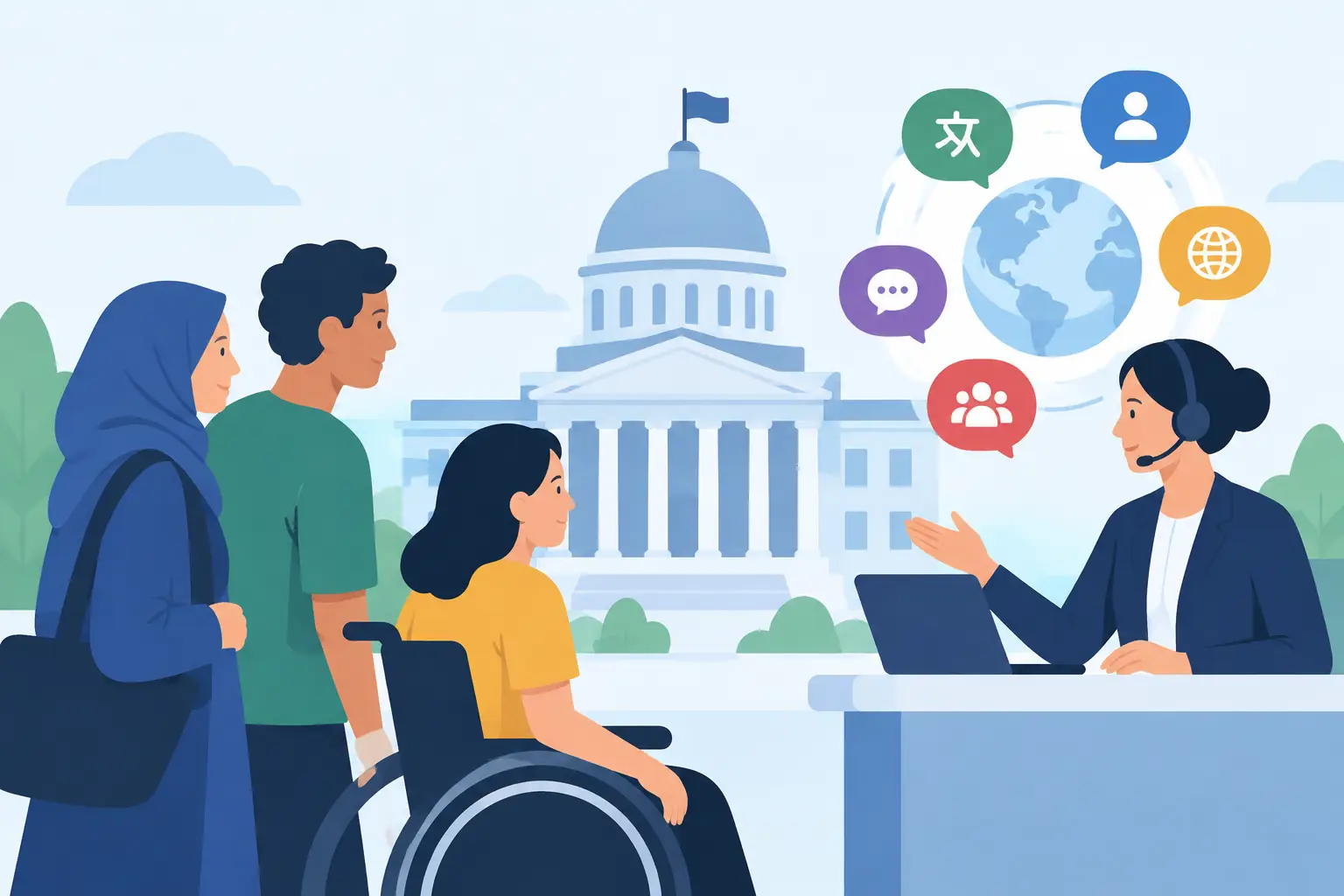
Government translation gives agencies accurate, confidential communication and interpretation so residents can access vital public services with confidence.
Read more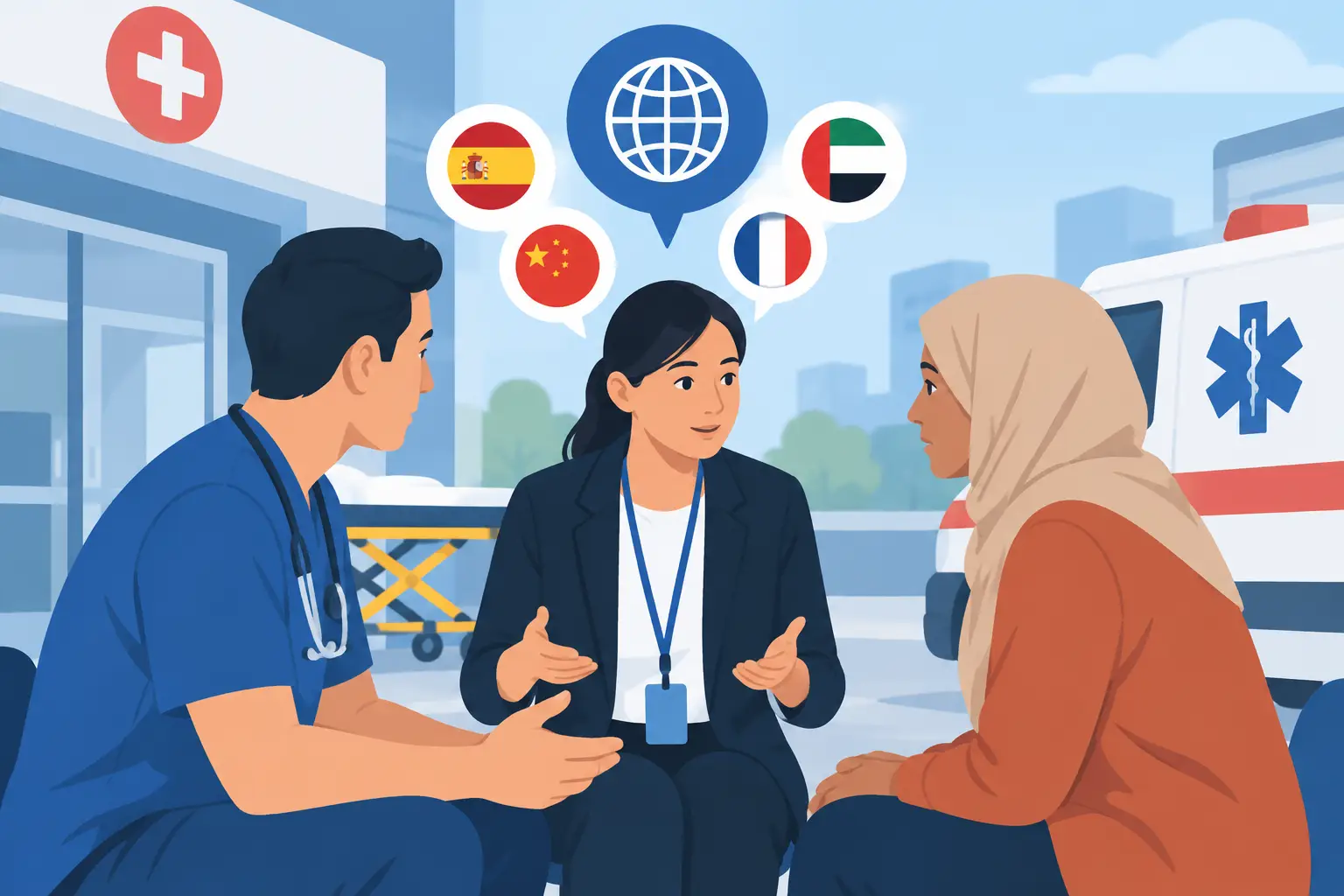
Emergency language interpretation gives healthcare, legal, and public agencies fast, accurate support when clear communication cannot wait in crises.
Read more
Why use certified translators? Learn how accurate, compliant translations protect immigration, legal, healthcare, academic, and business records quickly.
Read more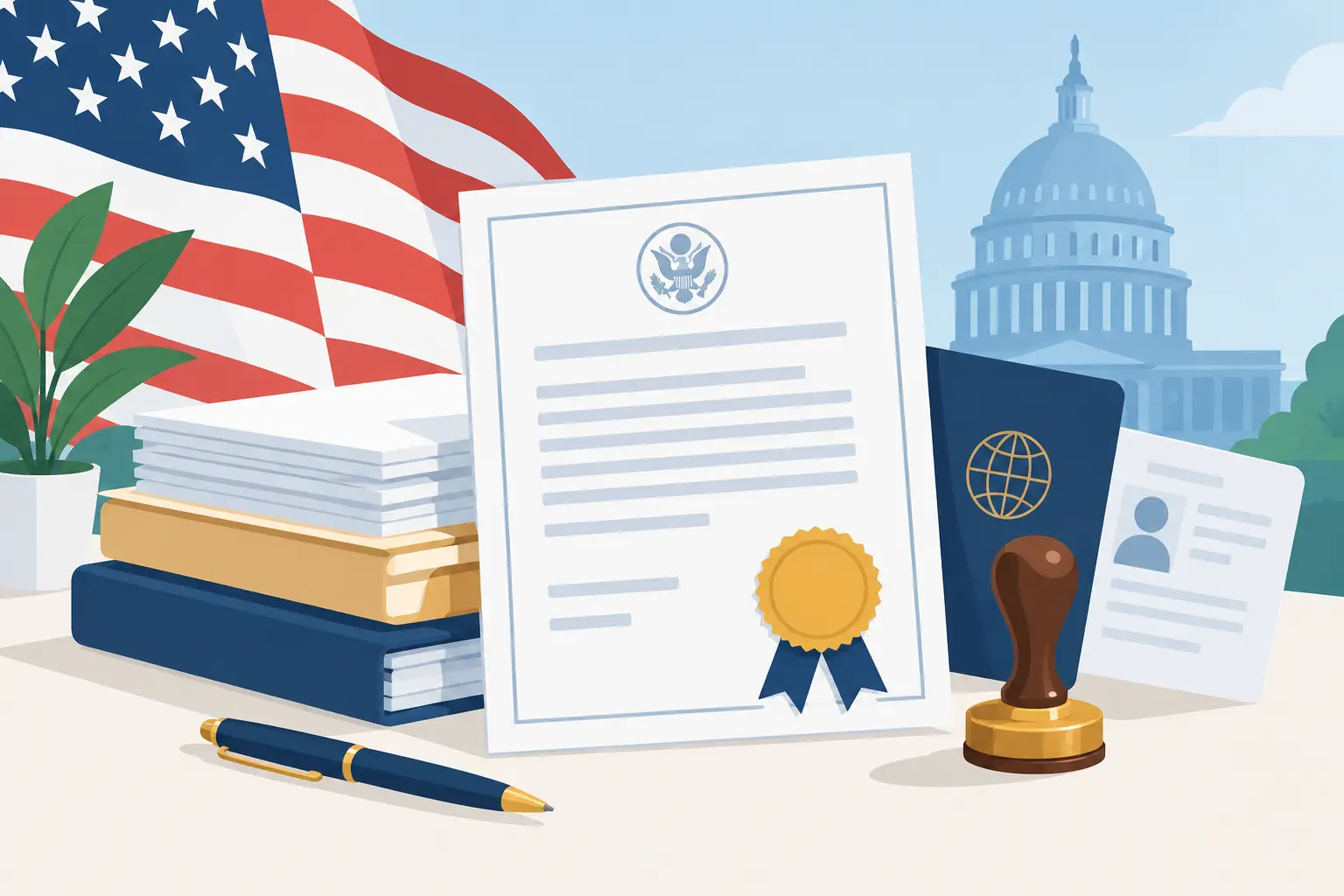
See which top documents needing certification need certified translation, notarization, or an apostille – and prepare your US submission correctly today.
Read more
Lenguae aims to teach language in a comprehensive way. With our courses, you will learn to understand and express yourself in both in writing and speaking, while also getting in touch with the culture of the countries that speak the language you’re learning. All our teachers are experienced in language teaching, being either native speakers or having lived abroad.
Career at Lenguae
