
Phone Interpretation Services for Critical Calls
Phone interpretation services give healthcare, legal, and government teams fast, confidential language support when a qualified interpreter is needed now.
Read more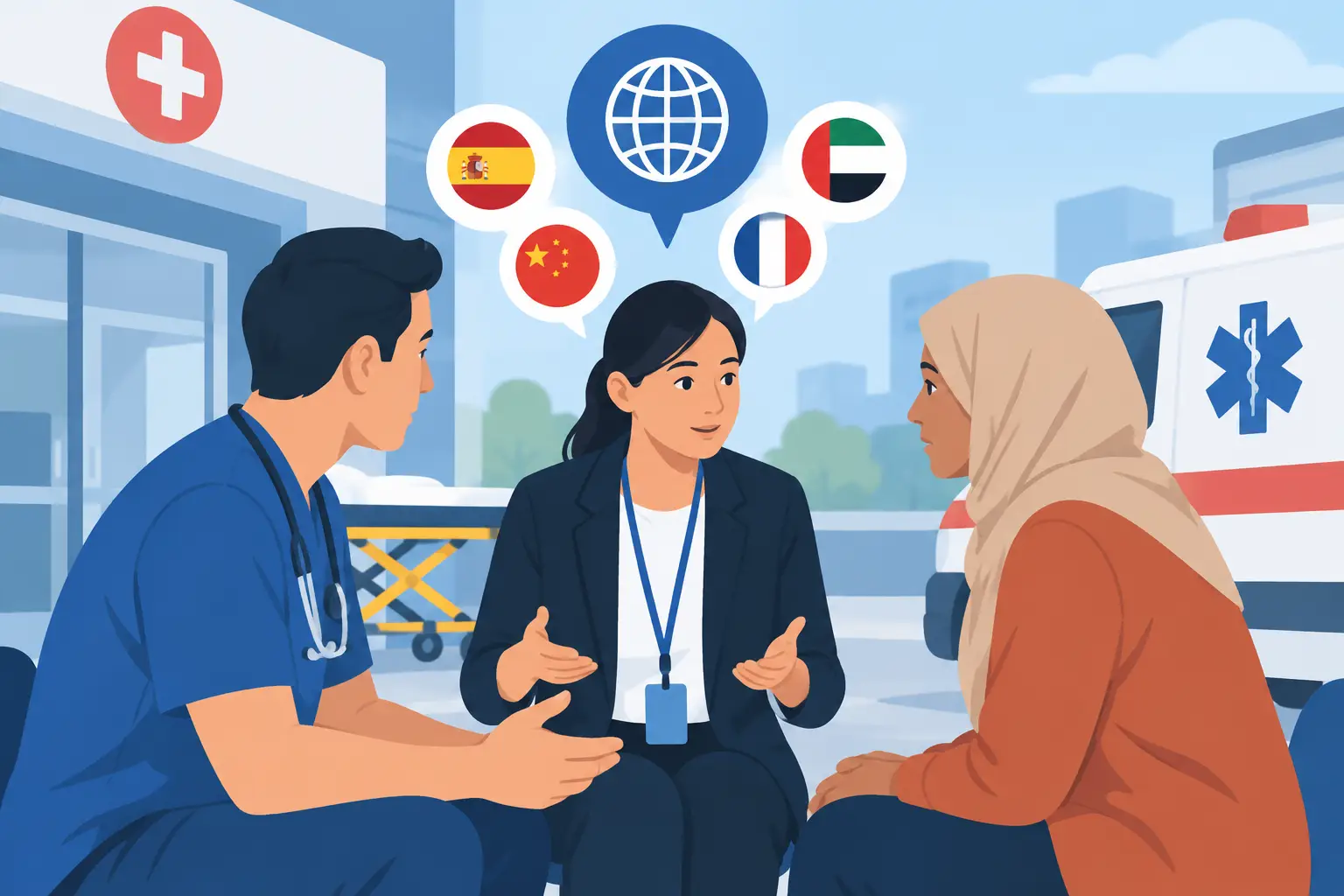
A patient arrives in an emergency department unable to explain their symptoms in English. A police department needs to notify a family after a serious incident. A shelter is opening during a weather emergency, and residents need instructions they can understand. In each case, emergency language interpretation is not an added convenience. It is the communication support that allows people to make informed decisions, receive appropriate care, and participate safely when every minute matters.
The right interpreter helps an organization move quickly without sacrificing accuracy, privacy, or human dignity. For healthcare providers, attorneys, public agencies, schools, and employers, that requires more than finding someone who speaks the needed language. It requires a reliable plan for qualified professional interpretation.
Emergency language interpretation provides immediate spoken-language support during urgent, time-sensitive situations. It may be delivered by phone, video, or on site, depending on the setting, language needed, technology available, and urgency of the event.
The goal is straightforward: enable clear two-way communication between people who do not share a language. The work itself is demanding. Interpreters must convey meaning faithfully, manage specialized terminology, remain impartial, and work within strict confidentiality requirements. In a crisis, they must also communicate calmly while conversations may be emotionally charged, medically complex, or legally sensitive.
Emergency interpreting is common in hospital emergency departments, urgent care centers, 911 and public safety settings, court-related matters, immigration appointments, disaster response, social services, and workplace incidents. It can also be essential when a business must communicate urgent policy changes, safety instructions, or evacuation information to multilingual employees.
A bilingual staff member may be helpful in everyday interactions, but fluency does not automatically qualify someone to interpret in a high-stakes situation. Medical, legal, and public-sector conversations require more than vocabulary. They require accuracy, role boundaries, cultural awareness, and an understanding of how to interpret without adding, omitting, or changing meaning.
Consider a patient describing chest pressure, dizziness, and medication history. A small wording error can affect triage and treatment. In a legal setting, a missed qualification or an imprecise rendering of a question can affect a person’s understanding of their rights or obligations. During an emergency response, unclear instructions about medication, evacuation routes, shelter registration, or family reunification can create avoidable harm.
Using children, relatives, or untrained employees as interpreters presents additional concerns. They may filter information to protect a loved one, misunderstand technical terms, feel pressured to take sides, or be unable to preserve privacy. In healthcare, relying on informal interpreters can also conflict with an organization’s language-access responsibilities.
Professional interpreters are trained to interpret what is said, not what they assume was meant. They understand the importance of first-person communication, accurate clarification, professional ethics, and confidentiality. That discipline protects everyone involved.
There is no single best format for every emergency. The appropriate solution depends on how quickly language support is needed and what the conversation requires.
Telephone interpretation is often the fastest option for immediate, unscheduled needs. It works well for brief conversations, initial screening, appointment coordination, basic instructions, and situations where video or an in-person interpreter is unavailable. It also provides broad language coverage, including languages that may be less commonly requested in a given region.
Video remote interpretation gives participants the benefit of visual communication without waiting for an interpreter to travel to the location. This can be particularly useful in emergency departments, intake desks, public-service offices, and telehealth settings. Seeing facial expressions and gestures can support understanding, especially when explaining processes or assessing whether a person is following instructions.
On-site interpretation is often the preferred choice for lengthy, complex, or highly sensitive interactions. These may include serious medical consultations, trauma-related interviews, court proceedings, disability-related meetings, immigration matters, and emergency briefings with a substantial number of participants. An in-person interpreter can better support the flow of a multi-party conversation and respond to the practical conditions of the setting.
Each option has trade-offs. Phone interpretation may be immediately available but lacks visual cues. Video interpretation offers visual context but depends on a stable device, internet connection, and private space. On-site coverage provides the most direct presence but may require advance planning or travel time. A dependable language partner can help organizations build a model that uses all three, rather than forcing every urgent need into one format.
Speed matters, but speed without quality can create a second emergency. A qualified interpreter should have native or near-native fluency, demonstrated interpreting ability, and relevant experience for the assignment. For medical interpretation, that includes comfort with symptoms, procedures, consent discussions, medication names, and discharge instructions. For legal or government work, it includes familiarity with formal terminology, procedural language, and confidentiality expectations.
Cultural competence also matters. This does not mean an interpreter speaks for an entire community or makes decisions on a client’s behalf. It means they recognize when a phrase, gesture, or communication style may not carry the same meaning across cultures. They can alert the parties when clarification is necessary while preserving their impartial role.
Confidentiality is equally central. Emergency conversations may involve protected health information, legal strategy, immigration status, personal identification, or family safety. Organizations should work with providers that have clear privacy practices and interpreters who understand their professional responsibility to protect sensitive information.
The best time to solve an emergency language-access problem is before the emergency occurs. Organizations do not need a complicated system, but they do need clear procedures that staff can use under pressure.
A practical readiness plan should address four areas:
For hospitals and public agencies, these procedures should align with existing emergency operations and language-access policies. For law firms, immigration practices, and corporate teams, the plan may focus on urgent client calls, incident response, time-sensitive filings, or employee communications. The specifics differ, but the principle is the same: staff should not have to improvise a language-access process during a crisis.
One frequent mistake is waiting until a conversation becomes complicated before requesting an interpreter. If the interaction involves a limited-English-proficient individual, language support should begin as early as possible. Early interpretation reduces repeated explanations, missed details, and frustration on both sides.
Another is asking an interpreter to summarize rather than interpret. Summaries may seem faster, but they can leave out information that affects consent, safety, or legal understanding. Parties should speak in short, clear segments and allow the interpreter to render the full meaning.
Organizations also sometimes overlook rare language needs. A local provider may have strong coverage for commonly requested languages but no immediate option for a less common language or dialect. Remote interpretation coverage helps close that gap, particularly for agencies and institutions serving diverse communities.
Finally, technology should never be treated as the whole solution. A video platform is only useful if staff know how to access it, devices are charged, audio is clear, and a private setting is available. Test procedures regularly and make sure staff know whom to contact if the first option fails.
Emergency language interpretation works best when it is part of an ongoing communication strategy, not a last-minute search. Lenguae supports organizations with professional interpreters, flexible remote and on-site options, and language services designed for high-stakes healthcare, legal, government, education, and business environments.
The right support gives staff a clear next step when a person needs to be heard in their own language. It gives patients, clients, families, and community members a fair opportunity to understand what is happening and respond with confidence. Preparing for that moment is one of the most practical ways an organization can protect safety, access, and trust.
Send us your documents
now and we will get back to
you with a free quote!
"The methodology, material and excellent teachers make Lenguae the best option for the personalized of English, as the learning.”

Phone interpretation services give healthcare, legal, and government teams fast, confidential language support when a qualified interpreter is needed now.
Read more
Choose the best medical translation providers with confidence. Learn what protects patient safety, supports compliance, and keeps every records clear.
Read more
This guide to translation quality assurance explains how expert review, terminology control, and secure workflows protect high-stakes communication well.
Read more
Pharmacovigilance translation services support clear, compliant safety reporting across languages, protecting patients and helping teams meet deadlines.
Read more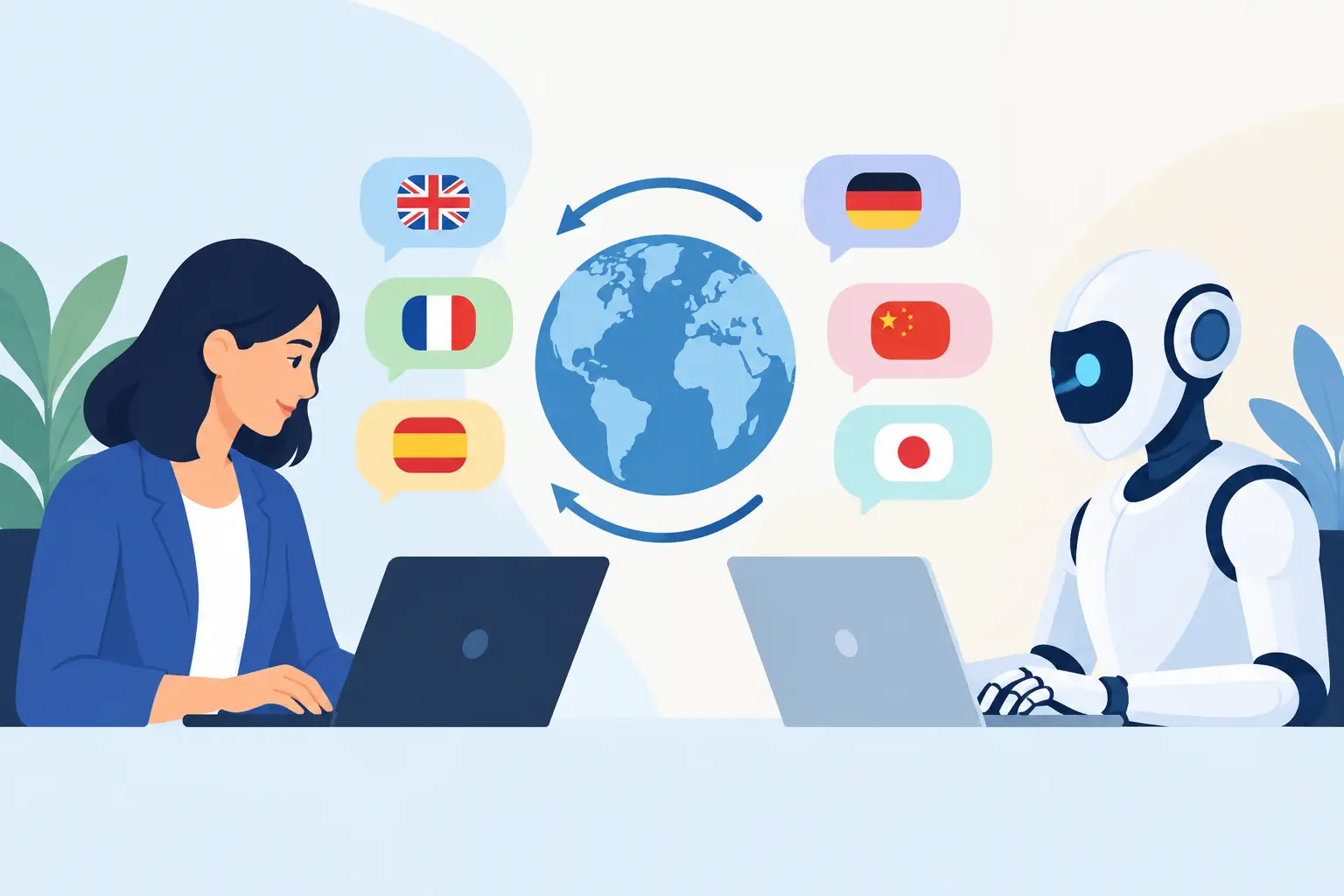
Human versus machine translation affects accuracy, privacy, cost, and speed. Learn when expert linguists protect your most important communication needs.
Read more
Lenguae aims to teach language in a comprehensive way. With our courses, you will learn to understand and express yourself in both in writing and speaking, while also getting in touch with the culture of the countries that speak the language you’re learning. All our teachers are experienced in language teaching, being either native speakers or having lived abroad.
Career at Lenguae
