
Legal Interpreter Evaluation: What to Look For
Legal interpreter evaluation helps courts, law firms, and agencies confirm language skill, ethics, and courtroom readiness before high-stakes assignment.
Read more
A relocation package can cover flights, housing, and immigration paperwork, yet an employee may still feel stranded during a first parent-teacher meeting, medical appointment, or team discussion. Relocation language training addresses the conversations that make a new location feel workable. It gives relocating employees and their families practical language skills, cultural context, and the confidence to participate before uncertainty becomes isolation.
For employers, this is not simply a welcome benefit. It is a practical investment in retention, productivity, family adjustment, and effective communication across borders. For individuals, it turns a new assignment, move, or return to the United States into a more manageable transition.
General language classes can be valuable, but they are not always designed around the pressure points of relocation. A learner preparing for an overseas role may not need to discuss abstract topics from a textbook first. They may need to introduce themselves to a new manager, ask a landlord about a repair, understand a transit announcement, or explain a child’s allergy at a clinic.
Effective relocation language training starts with those real situations. It builds useful vocabulary and speaking practice around work responsibilities, local services, housing, education, healthcare, shopping, transportation, and social life. Lessons should also explain the communication habits behind the words: when directness is expected, how meetings are structured, how appointments are scheduled, and what polite disagreement sounds like in the local culture.
The goal is not immediate fluency. Fluency takes time and sustained exposure. The immediate goal is functional independence: the ability to understand essential information, ask for clarification, make decisions, and build relationships without relying on a colleague, spouse, or translation app for every interaction.
International assignments often succeed or fail outside the office. An employee can be technically qualified and still struggle if their partner feels disconnected, their children cannot communicate at school, or everyday tasks require constant help. These stresses can shorten assignments, distract from work, and make a promising opportunity feel unsustainable.
Language training supports the employee’s professional role as well. A staff member who can participate in informal conversations, follow local meeting norms, and communicate basic needs directly is better positioned to earn trust with customers and colleagues. In client-facing, healthcare, legal, government, and education settings, the stakes may be higher because misunderstandings can affect service quality, privacy, compliance, or safety.
There is also a clear inclusion benefit for organizations receiving international talent in the United States. English instruction for newly relocated employees and family members helps them engage with workplace policies, school communications, healthcare providers, and community resources. It sends a practical message: the organization values participation, not just arrival.
The right program depends on where the person is moving, how long the assignment will last, their existing language level, and the demands of their role. A senior executive relocating for two years may need executive communication, negotiation language, and cultural coaching. A family arriving in Connecticut may prioritize conversational English, school vocabulary, medical communication, and confidence with daily errands.
A short assessment helps set the right starting point. It should consider speaking, listening, reading, and writing, but it should also ask what the learner needs to do in the first 30, 60, and 90 days. Someone with strong grammar may need more listening practice for fast-paced meetings. Another learner may understand a language well but hesitate to speak in public.
Assessment also prevents an expensive mismatch. Placing an advanced professional in a basic group course can be discouraging, while asking a beginner to manage high-level business content too soon can create anxiety. Clear goals make progress measurable and keep training relevant.
Course content should reflect the learner’s real environment. For an employee moving abroad, this may include introductions, workplace small talk, project updates, phone calls, email etiquette, dining with clients, and local business customs. For family members, useful scenarios often include school enrollment, communicating with teachers, booking appointments, speaking with pharmacists, opening accounts, and handling household services.
Some topics deserve specialized instruction. Relocating healthcare personnel may need patient-centered communication and terminology appropriate to their responsibilities. Legal professionals may need to understand formal registers, confidentiality expectations, and the limits of their language proficiency. Employees working with government agencies or regulated industries should not be expected to improvise with sensitive terminology.
Cultural training works best when it explains patterns without reducing people to labels. It can prepare learners for differences in turn-taking, punctuality, hierarchy, feedback, humor, personal space, and decision-making. It should also leave room for regional variation, individual preference, and organizational culture.
For example, a learner may understand every word in a meeting but miss that a tentative phrase is actually a request for action. They may interpret a brief response as unfriendly when it reflects a local norm of efficiency. Discussing these moments in class gives learners a safe place to ask questions and try new approaches.
The best format is the one participants can sustain alongside work, family, and the demands of a move. Online live instruction offers flexibility for learners who are traveling, already abroad, or balancing different time zones. In-person sessions can be especially useful for groups, intensive preparation, and learners who benefit from face-to-face practice.
One-to-one training is often the strongest choice for executives, technical specialists, and employees with specific goals. Small groups can be a cost-effective option for cohorts relocating to the same office or region, provided their language levels and needs are reasonably aligned. Self-paced apps can reinforce vocabulary between sessions, but they rarely replace guided conversation, immediate correction, and cultural coaching.
Timing matters as much as format. Beginning several weeks before departure gives learners a foundation for arrival. Continuing lessons after the move is equally valuable because real-life questions become more specific once the learner is living and working in the new environment. A short pre-departure course may be enough for a brief project, while a multi-month assignment benefits from ongoing instruction and periodic goal reviews.
A relocation policy focused only on the employee misses a major part of the adjustment experience. Spouses, partners, and children often handle many of the interactions that shape daily life. If they cannot communicate comfortably, the entire household may feel dependent and disconnected.
Family-inclusive training can be tailored by age and need. Adults may want practical conversation, local cultural orientation, and job-search language. School-age learners may need support with classroom participation, friendships, and understanding assignments. Even a modest number of lessons can help family members ask questions with confidence and feel more at home in their new community.
Language progress should be measured against real outcomes. Can the employee lead a routine call, contribute to a meeting, and clarify a misunderstanding? Can a partner contact a school or arrange a medical appointment? Can the family navigate local services with less outside support than they needed during their first month?
Employers can track attendance, assessment results, learner feedback, and manager observations, while respecting privacy. The strongest indicators are often practical: fewer communication barriers, stronger engagement with local teams, and greater confidence in everyday interactions. Accent reduction may be a personal goal for some learners, but it should never be treated as the measure of professional ability or belonging.
Relocation requires coordination across HR teams, mobility providers, managers, employees, and families. Language training should reduce that complexity, not add to it. Look for a provider that can assess needs quickly, offer qualified instructors across languages, protect personal information, and adapt instruction as an assignment changes.
Lenguae provides flexible online and in-person language training designed around practical communication goals, from workplace English to destination-language preparation for international moves. With instruction that respects cultural nuance and individual learning needs, participants can focus on building usable skills rather than forcing their lives into a fixed curriculum.
A successful move is built through small, repeated moments of understanding: asking the right question, joining the conversation, speaking up at work, and feeling capable in a new community. Give relocating people the language support to make those moments their own.
Send us your documents
now and we will get back to
you with a free quote!
"The methodology, material and excellent teachers make Lenguae the best option for the personalized of English, as the learning.”

Legal interpreter evaluation helps courts, law firms, and agencies confirm language skill, ethics, and courtroom readiness before high-stakes assignment.
Read more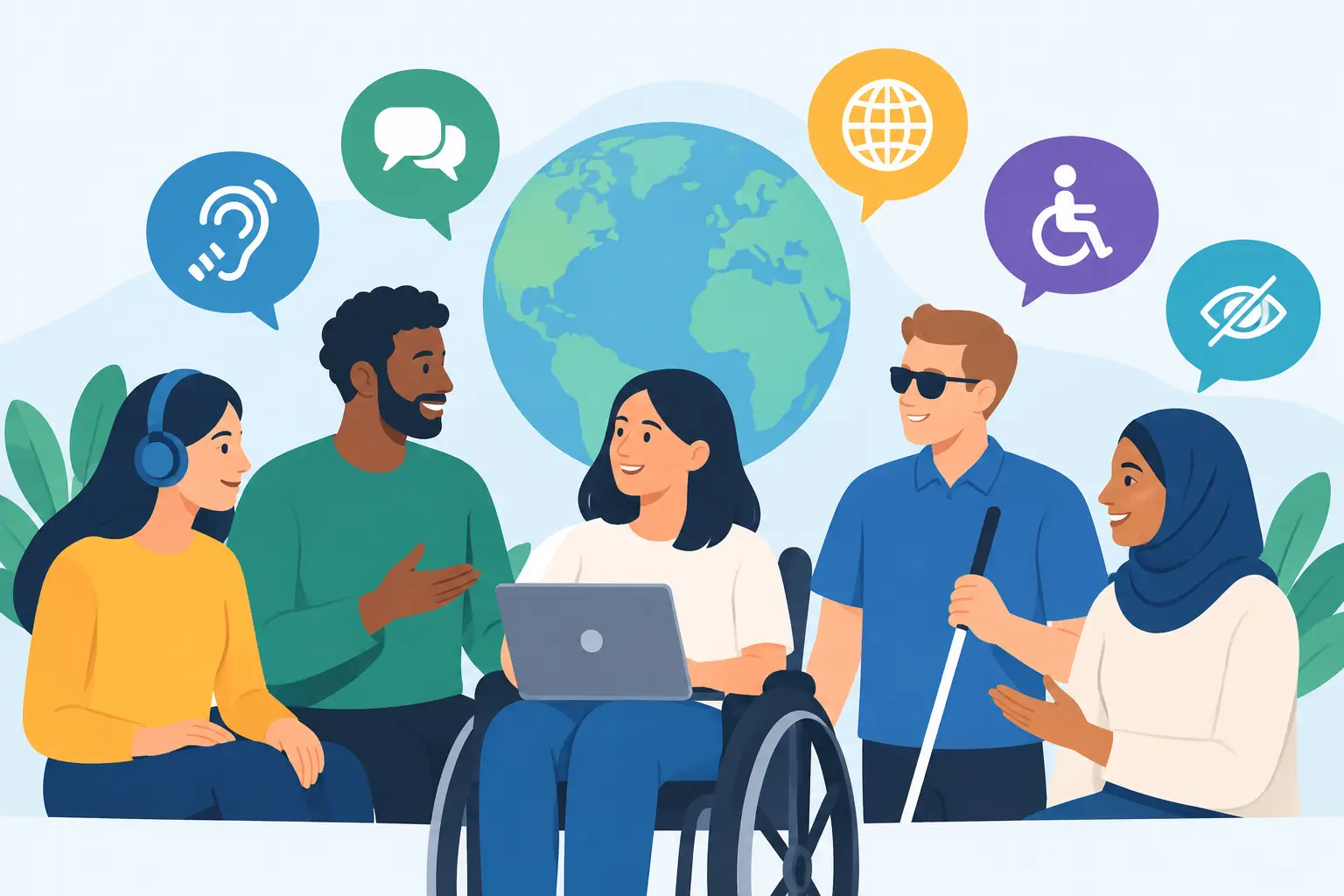
Accessibility translation services deliver clear, inclusive multilingual documents, events, and digital content so every audience can fully take part.
Read more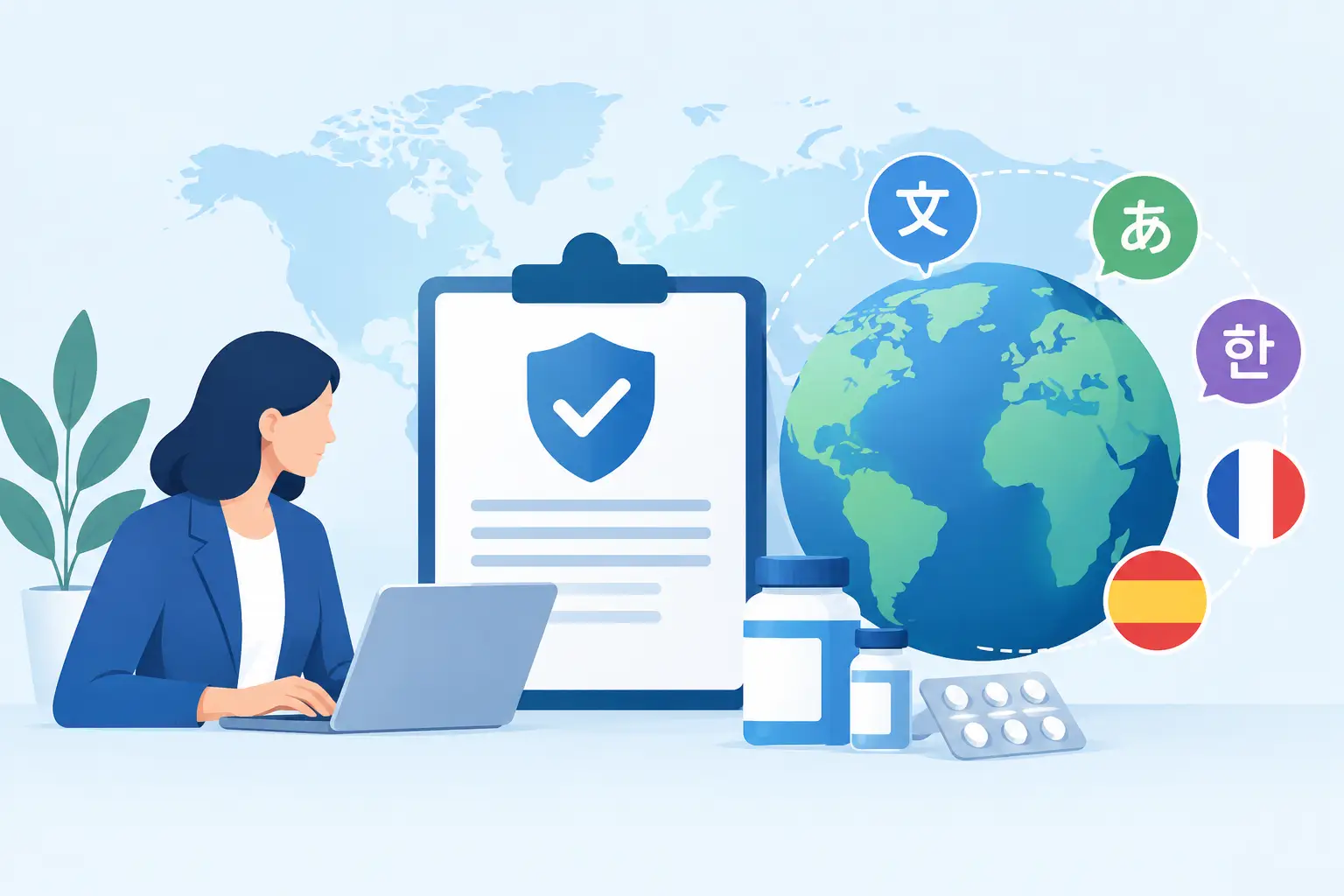
A practical guide to FDA translation compliance for clinical, regulatory, and labeling teams seeking accurate, traceable multilingual documentation now.
Read more
Language training helps teams and individuals communicate clearly, serve diverse communities, and build confidence for work, care, and daily situations.
Read more
A guide to multilingual employee onboarding helps HR teams deliver clear, compliant training, protect privacy, and build belonging from day one for all.
Read more
Lenguae aims to teach language in a comprehensive way. With our courses, you will learn to understand and express yourself in both in writing and speaking, while also getting in touch with the culture of the countries that speak the language you’re learning. All our teachers are experienced in language teaching, being either native speakers or having lived abroad.
Career at Lenguae
