
Practical Guide to FDA Translation Compliance
A practical guide to FDA translation compliance for clinical, regulatory, and labeling teams seeking accurate, traceable multilingual documentation now.
Read more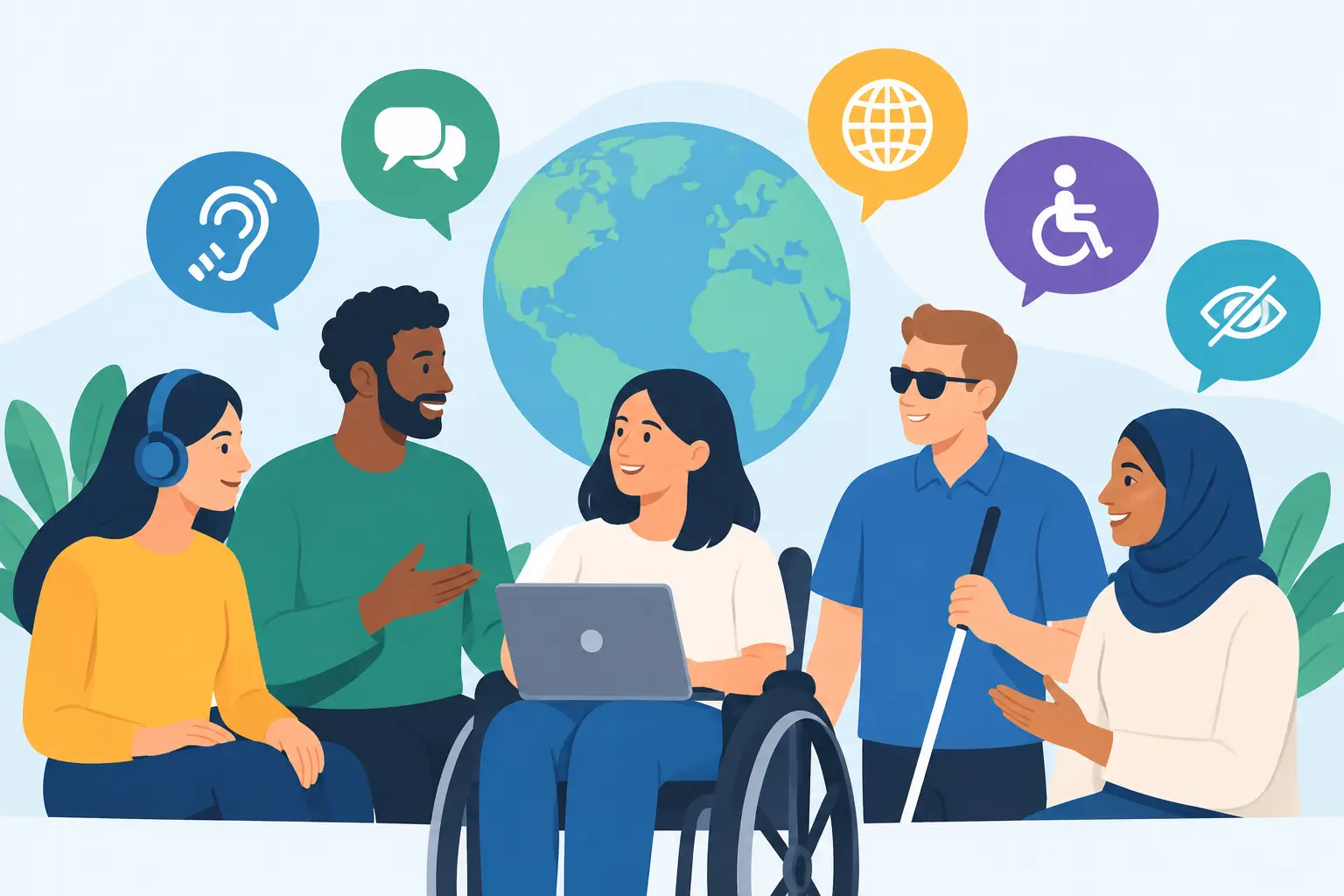
A hospital sends discharge instructions home with a patient. A city posts an emergency notice. A university shares enrollment requirements. If the message is only understandable to people who read one language, use one format, or can attend one kind of event, vital information is still out of reach. Accessibility translation services help organizations close that gap with multilingual communication designed for real people and real situations.
This work is more than translating words accurately. It requires attention to language access, disability access, format, cultural context, and the practical conditions in which people receive information. When those details are handled well, patients can follow care plans, residents can access public services, families can complete applications, and employees can participate with confidence.
Accessibility has two connected dimensions. The first is linguistic accessibility: providing information in the languages your audience uses and understands. The second is format accessibility: ensuring people can perceive, navigate, and use the information, whether they rely on captions, screen readers, large-print materials, accessible PDFs, or an interpreter during a live interaction.
A translated document that cannot be read by a screen reader is not fully accessible. Neither is a beautifully designed webpage that leaves a limited-English-proficient visitor without critical information in their language. Effective accessibility translation brings these needs together instead of treating them as separate projects.
The required scope depends on the content and audience. For digital materials, it may include translated website copy, accessible documents, captions and subtitles, image descriptions, and localized video scripts. For live communication, it may involve qualified spoken-language interpreters, remote interpreting options, accessible event materials, and coordinated sign-language services when needed. Printed notices may need clear layouts, plain language, translated versions, and alternate formats.
The goal is not simply to produce more versions of a message. It is to make the message usable without changing its meaning, omitting essential instructions, or creating barriers for the people it is meant to serve.
The consequences of inaccessible communication vary by industry, but the underlying responsibility is consistent: people should be able to understand information that affects their rights, health, safety, education, or ability to participate.
A patient should not have to guess how to prepare for a procedure, take medication, provide informed consent, or respond to a follow-up appointment. Healthcare organizations often need translated patient forms, discharge instructions, consent documents, clinical trial materials, appointment reminders, and telehealth support. Medical terminology must be correct, but clarity matters just as much. A literal translation of complex clinical language can remain confusing if it does not account for health literacy and cultural expectations.
Accessibility also affects the delivery of spoken information. An interpreter may be necessary for an appointment, while translated written instructions provide a reliable reference afterward. These services work best as part of one coordinated communication plan.
Public agencies communicate with residents across many language backgrounds, income levels, and abilities. Voting information, benefit applications, public meeting notices, emergency alerts, housing guidance, and legal notices must be timely as well as understandable.
For urgent messages, speed cannot come at the expense of accuracy. A mistranslated evacuation route, eligibility requirement, or deadline can create real harm. Agencies should establish approved terminology and translation workflows before an emergency occurs, not while a message is being drafted under pressure.
Schools and universities may need accessible translation for enrollment packets, individualized education materials, policies, family communications, and campus events. Immigration and legal matters require another level of care because a missing qualification, altered date, or misunderstood instruction can affect an application or case outcome.
Employers also benefit from inclusive multilingual communication. Safety procedures, onboarding materials, benefits information, training content, and workplace policies are only effective when employees can understand and use them. In each setting, confidentiality and subject-matter expertise are essential.
Professional translation remains the foundation of accessibility. A translator must preserve meaning, tone, terminology, and legally significant details. Yet accessibility adds questions that a standard translation workflow may not address.
Can a screen reader identify the heading structure in the final translated file? Are form fields labeled clearly? Do translated captions match the pace and context of the video? Will a longer Spanish, Arabic, or Vietnamese phrase still fit within a button, chart, or printed template? Has the translated text been reviewed in the format people will actually use?
These questions matter because languages expand and contract differently, sentence structures change, and key instructions may need a different presentation to remain clear. A translation team should work with the original source files whenever possible rather than forcing text into a static image or poorly structured PDF.
Plain language is another important consideration. It does not mean removing necessary legal or medical information. It means organizing it so readers can identify what they need to do, when they need to do it, and where they can get help. For high-stakes materials, the best approach may combine precise terminology with short explanations of unfamiliar terms.
Organizations get better outcomes when accessibility is planned at the beginning of a project. Retrofitting a multilingual document after design is complete can add cost, delay delivery, and limit what can be fixed.
A reliable process usually includes five stages:
Not every project needs the same level of review. A short internal announcement may need a streamlined process, while clinical consent forms, immigration records, and public-facing eligibility notices warrant deeper subject-matter and formatting review. The right level of support depends on risk, audience size, and the consequences of misunderstanding.
Look for a language partner that asks informed questions before quoting the work. They should want to know who will use the content, how it will be delivered, whether there are compliance requirements, and what deadlines or confidentiality conditions apply.
Strong accessibility translation services combine native human translators, sector-specific expertise, quality review, and flexible delivery options. For organizations managing multiple languages, it is also helpful to work with a provider that can maintain terminology across documents, events, interpretation requests, and future updates.
For example, a hospital may need medical document translation and remote interpretation. A municipal department may need multilingual public notices and support for accessible digital files. An immigration client may need a certified translation that preserves the structure and details of an official record. Each need is different, but each deserves a process built around accuracy and access.
Lenguae supports organizations and individuals with specialized translation and interpretation solutions across more than 50 language options, including time-sensitive and confidential projects. The most useful starting point is a clear conversation about your audience, materials, and required formats.
Accessible communication is a practical expression of respect. When people can understand the information in front of them and use it in the way they need, they are better positioned to make informed decisions, receive services, and participate fully.
Send us your documents
now and we will get back to
you with a free quote!
"The methodology, material and excellent teachers make Lenguae the best option for the personalized of English, as the learning.”
A practical guide to FDA translation compliance for clinical, regulatory, and labeling teams seeking accurate, traceable multilingual documentation now.
Read more
Language training helps teams and individuals communicate clearly, serve diverse communities, and build confidence for work, care, and daily situations.
Read more
A guide to multilingual employee onboarding helps HR teams deliver clear, compliant training, protect privacy, and build belonging from day one for all.
Read more
A guide to international document legalization: understand apostilles, authentication, certified translations, and filing steps before you submit abroad.
Read more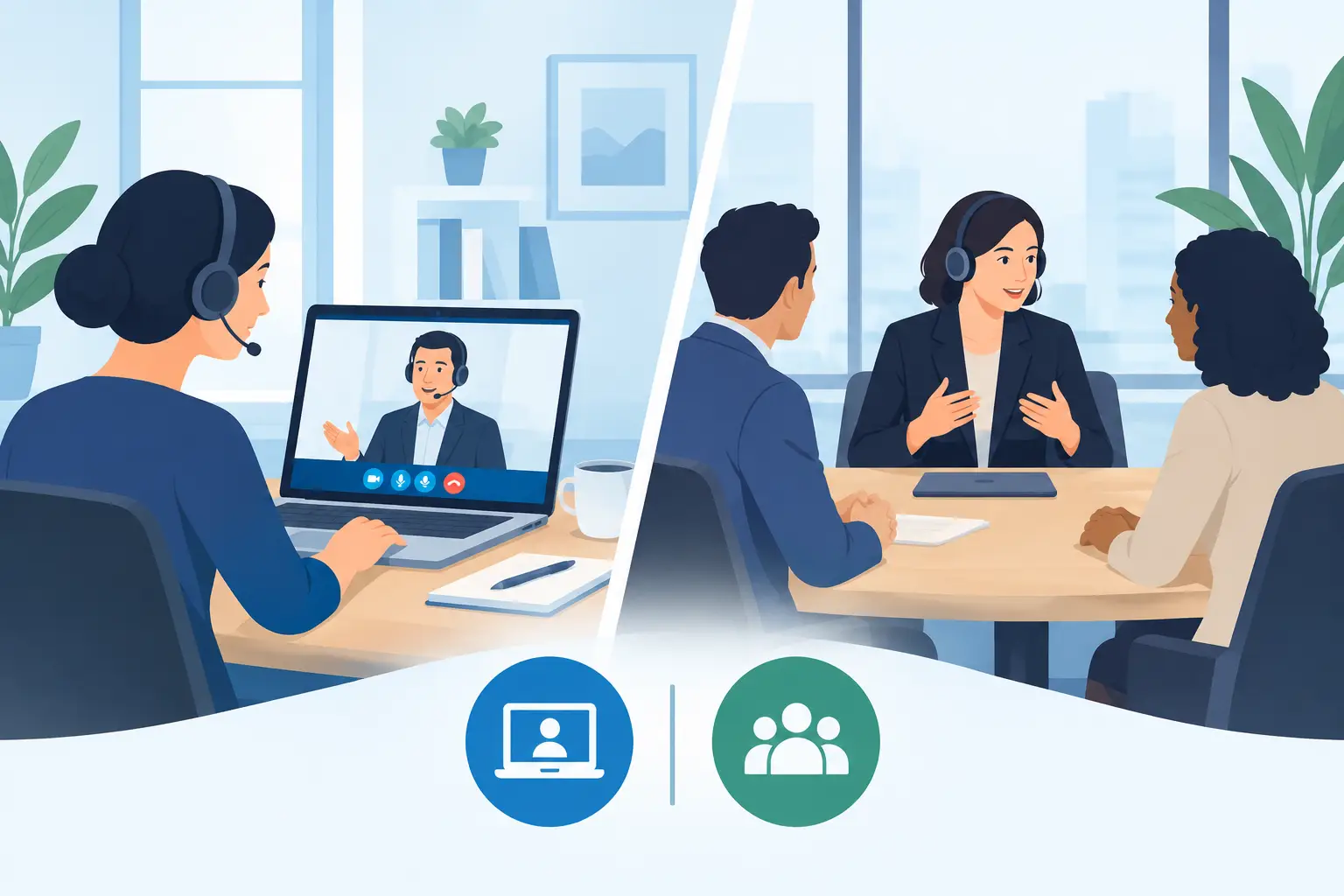
Compare remote versus onsite interpreting for healthcare, legal, government, and business needs. Choose the right format for accuracy, privacy, and access.
Read more
Lenguae aims to teach language in a comprehensive way. With our courses, you will learn to understand and express yourself in both in writing and speaking, while also getting in touch with the culture of the countries that speak the language you’re learning. All our teachers are experienced in language teaching, being either native speakers or having lived abroad.
Career at Lenguae
