
How to Localize Pharmaceutical Labeling Safely
Learn how to localize pharmaceutical labeling with expert workflows for compliant terminology, review, formatting, and patient communication worldwide.
Read more
A birth certificate with one misspelled name can delay an immigration filing. A medical record translated without the right terminology can compromise continuity of care. These are the real stakes behind the top documents needing certified translation. When an agency, court, school, hospital, or employer cannot accept a document in its original language, a clear and complete certified translation helps the recipient evaluate it with confidence.
Certified translation is not simply a word-for-word conversion. It is a professional translation accompanied by a signed statement attesting that the translation is complete and accurate to the translator’s knowledge and ability. Requirements vary by receiving organization, so it is wise to confirm whether the recipient also requires notarization, a particular certification format, or a translated copy of stamps and seals.
For many US immigration, legal, academic, and administrative purposes, certification means the translated document includes a certificate of accuracy. This statement generally identifies the language pair, confirms the translator’s competence, and affirms that the translation is accurate and complete.
A certified translation should preserve the structure and meaning of the source document as closely as practical. That includes handwritten notes, stamps, seals, marginal comments, dates, headings, and identifiers. If a portion cannot be read, the translation should indicate that rather than guess. Accuracy matters, but transparency matters too.
Not every certified translation needs to be notarized. Notarization verifies the identity of the person signing the certification, not the linguistic quality of the translation itself. Some courts, universities, foreign governments, and licensing boards request it, while many do not. Asking early prevents an avoidable resubmission.
Immigration applications are among the most common reasons individuals request certified translations. US Citizenship and Immigration Services generally requires a full English translation of every foreign-language document submitted with an application or petition, along with a certification from the translator.
Birth certificates, marriage certificates, divorce decrees, death certificates, adoption records, and name-change documents often establish family relationships, identity, and eligibility. Small details can carry major consequences: a parent’s full name, a registration number, or the difference between a civil marriage and a religious ceremony may matter to the reviewing officer.
Passport pages, identity cards, family books, residence registrations, and national registry documents may support identity or address history. These documents often contain abbreviations, seals, and country-specific administrative terms that should be translated consistently rather than simplified.
Applicants may need certified translations of police clearances, criminal records, arrest reports, and final court dispositions. These documents require careful legal terminology and strict confidentiality. A translation should reflect the record faithfully without interpreting, minimizing, or overstating the underlying allegations or outcome.
Schools, licensing boards, employers, and credential evaluators need reliable evidence of an applicant’s qualifications. The right translation helps them compare international records with US requirements without losing context.
Diplomas, transcripts, degree certificates, course descriptions, and professional certificates are frequently requested for admissions, credential evaluations, employment, and professional licensing. Educational systems do not use identical grading scales, course titles, or degree structures, so the translator must convey the original record accurately without inventing a US equivalent.
For example, a transcript should retain the original grades and notes. A separate credential evaluation may determine whether a degree is comparable to a US bachelor’s or master’s degree. Translation and evaluation serve different purposes, and many applicants need both.
Employment letters, resumes, reference letters, training certificates, pay records, and professional licenses may support visa petitions, job applications, or licensing reviews. These documents often contain specialized titles and industry terms. A translator familiar with the relevant field can preserve the level of responsibility and professional meaning behind those terms.
Legal documents leave little room for approximation. A phrase that sounds similar in everyday English may have a distinct meaning in a contract, court filing, or power of attorney.
Common requests include contracts, affidavits, pleadings, judgments, deposition exhibits, wills, trusts, powers of attorney, and corporate formation documents. In litigation, parties may also need translations of emails, text messages, invoices, and other evidence. Courts and attorneys may have specific formatting, declaration, or filing requirements, particularly when translations are introduced as exhibits.
Confidential handling is essential. Legal teams should work with a provider that limits access to authorized linguists, uses secure file-sharing practices, and can coordinate terminology across large document sets. Consistent treatment of names, defined terms, and case-specific language makes review easier and reduces the risk of confusion later.
Medical translations can affect treatment decisions, insurance claims, disability applications, and continuity of care. Patient histories, vaccination records, laboratory results, imaging reports, discharge summaries, prescriptions, consent forms, and specialist reports are among the documents regularly translated for US providers and patients.
These records require more than general fluency. Medical terminology, dosage units, diagnoses, and test values must be rendered accurately, while protected health information must be handled with care. If a provider needs live communication with a patient or family member, document translation may also need to be paired with qualified medical interpretation.
Financial documentation is often central to immigration cases, international transactions, benefit applications, and legal proceedings. Bank statements, tax returns, payroll records, proof of income, property deeds, invoices, audit reports, and insurance documents may all need certified translation depending on the recipient’s rules.
Government agencies may request permits, licenses, benefit notices, regulatory filings, public records, or procurement documentation in English. Businesses expanding across borders may need certified translations of incorporation documents, shareholder records, certificates of good standing, compliance materials, and signed agreements.
The level of certification depends on the use case. An internal business translation may not require certification, while the same document submitted to a government agency or court may. Confirming the intended use before work begins helps ensure the correct deliverable and avoids paying for the wrong level of service.
Clear source files support a more accurate translation and faster turnaround. Send full scans or high-resolution photos that show every edge of the document, including stamps, seals, and reverse sides. Avoid screenshots that cut off registration numbers or notes.
Before requesting service, identify the receiving organization and deadline. Share any instructions on notarization, layout, file format, or certification wording. If names appear differently across documents because of marriage, transliteration, or local naming conventions, point that out. The translator should reproduce the source faithfully, but advance context can help flag discrepancies that may require a legal or administrative explanation.
Avoid editing the translation yourself after certification. Even a minor change can invalidate the certification statement. If a correction is needed, ask the translation provider to revise and reissue the certified document.
The most appropriate provider depends on the document type, language, deadline, and receiving authority. A straightforward civil certificate may move quickly, while a large legal or medical file needs subject-matter expertise and quality review. Lowest price should not be the only consideration when a filing, patient record, or court deadline is at stake.
Look for native-language professionals, experience in your document category, clear confidentiality practices, and a certification process aligned with the recipient’s requirements. Lenguae supports individuals and organizations with certified document translation across more than 50 ISO-certified language options, pairing qualified human translators with practical guidance on format, timing, and delivery.
When a document will influence a decision about your family, health, education, career, or legal rights, clarity is part of the outcome. Confirm the requirements, provide complete source materials, and choose language support that treats every detail with the care it deserves.
Send us your documents
now and we will get back to
you with a free quote!
"The methodology, material and excellent teachers make Lenguae the best option for the personalized of English, as the learning.”
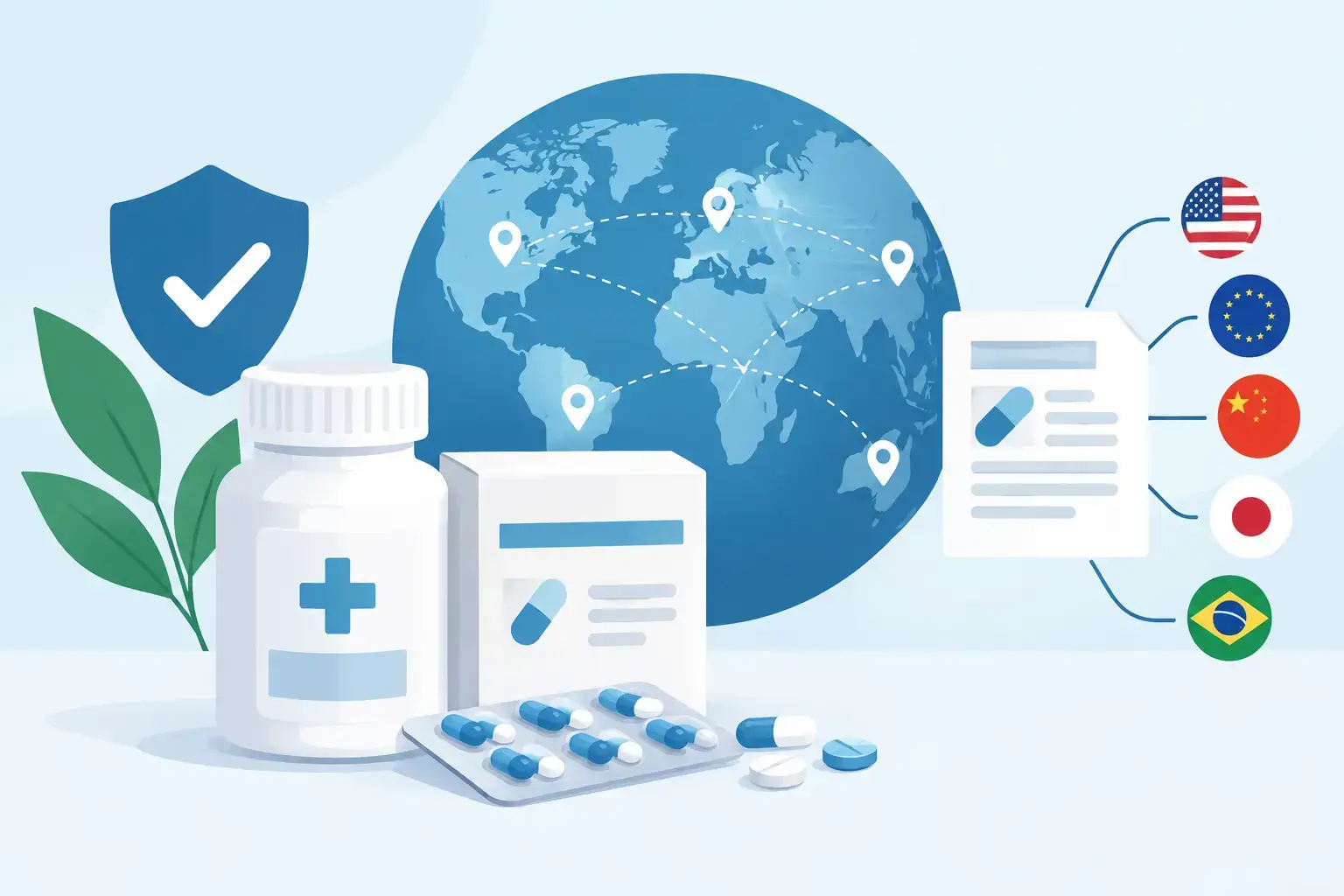
Learn how to localize pharmaceutical labeling with expert workflows for compliant terminology, review, formatting, and patient communication worldwide.
Read more
Understand apostille translation requirements, when certified or notarized translations are needed, and how to prepare documents correctly for use abroad.
Read more
Learn how to use video interpreting for healthcare, legal, education, and public services with clear steps that protect accuracy, privacy, and access.
Read more
Learn how to translate immigration forms accurately, prepare a USCIS-ready certification, and protect sensitive documents with qualified expert support.
Read more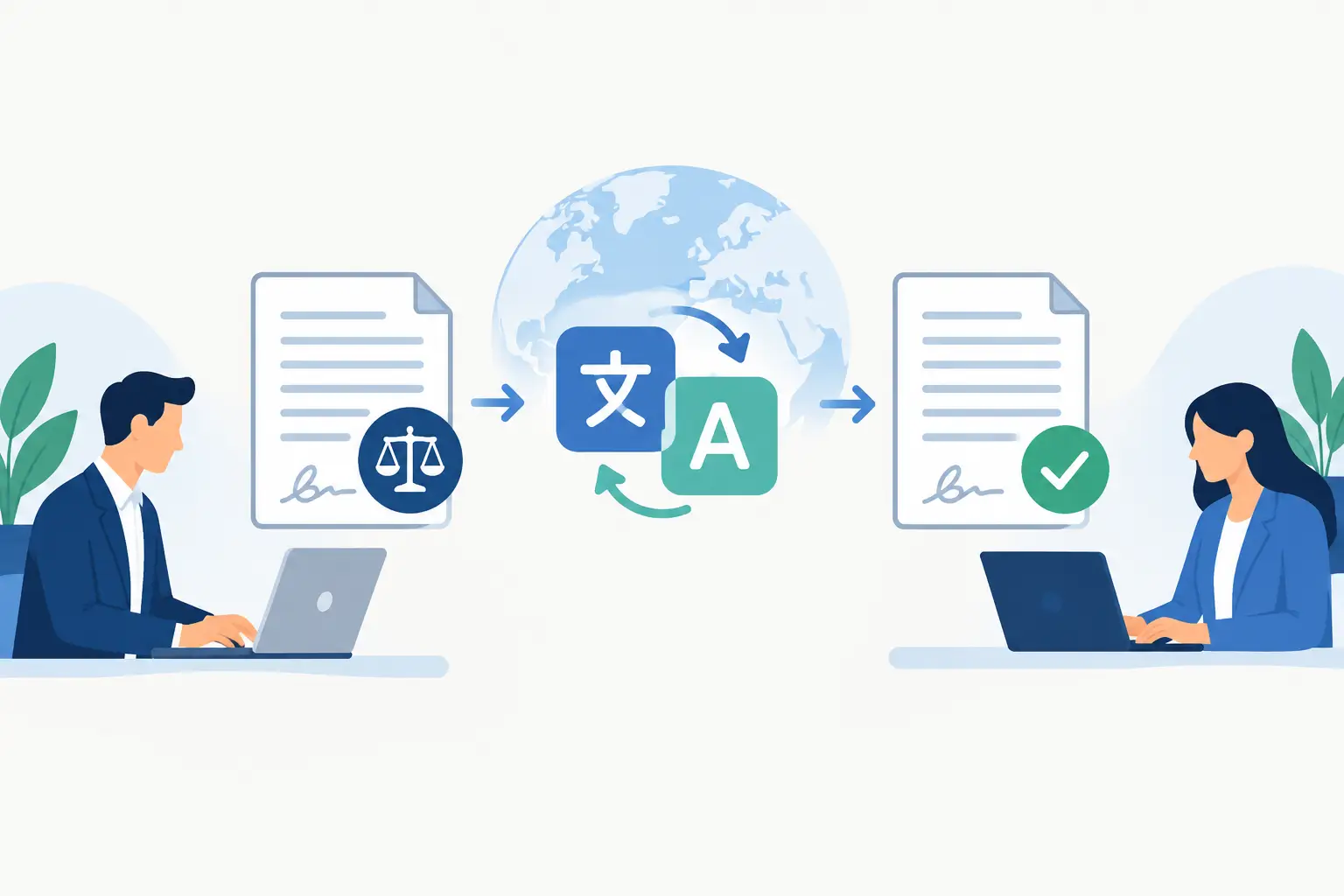
This guide to contract translation workflows helps legal, business, and public-sector teams protect meaning, confidentiality, deadlines, and compliance.
Read more
Lenguae aims to teach language in a comprehensive way. With our courses, you will learn to understand and express yourself in both in writing and speaking, while also getting in touch with the culture of the countries that speak the language you’re learning. All our teachers are experienced in language teaching, being either native speakers or having lived abroad.
Career at Lenguae
