
Medical Interpreter Qualifications That Protect Care
Medical interpreter qualifications support accurate, confidential care, reduce risk, and help patients understand their options and next steps safely.
Read more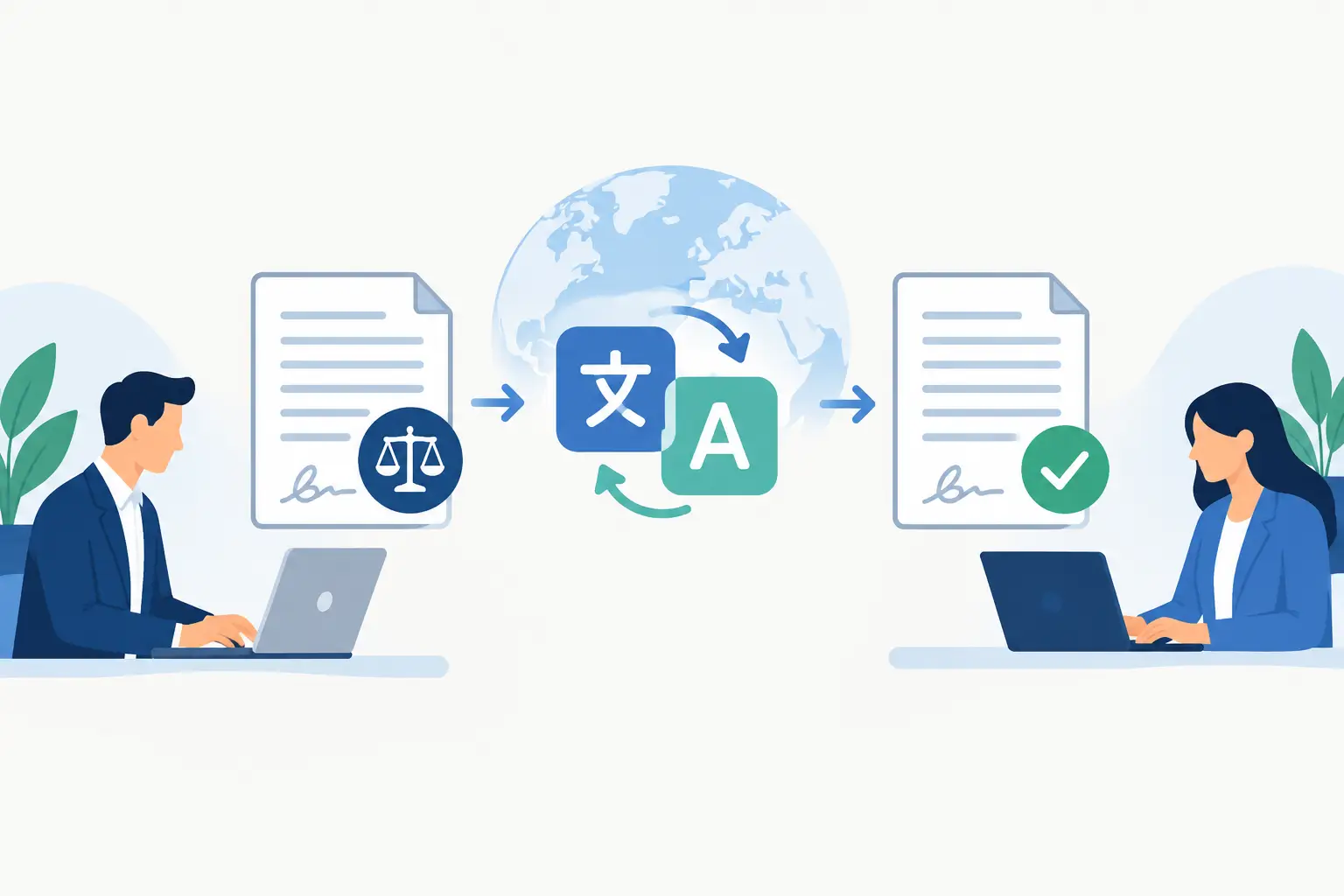
A contract can be only a few pages long, yet one mistranslated definition, payment condition, or liability clause can change the parties’ obligations. A reliable guide to contract translation workflows starts with that reality: legal translation is not simply converting words between languages. It is a controlled process for preserving legal meaning, document structure, confidentiality, and usability across jurisdictions.
For attorneys, corporate teams, government offices, immigration professionals, and procurement departments, the right workflow reduces avoidable risk while keeping negotiations, filings, and transactions moving on schedule.
Contracts rely on precision. Terms such as indemnification, governing law, force majeure, assignment, and waiver may have no one-to-one equivalent in another legal system. Even where a direct translation exists, the phrase may carry a different legal effect depending on the country, state, or industry involved.
A defined workflow creates accountability at every stage. It identifies the source version, confirms the purpose of the translation, assigns qualified linguists, protects confidential information, and provides a review path before the document is delivered or signed. This matters whether you are translating a vendor agreement into Spanish, a pharmaceutical distribution agreement into Japanese, or a lease for a newly relocated employee.
The level of review should match the stakes. An internal reference translation may have different requirements than a contract intended for execution, litigation, regulatory submission, or immigration proceedings. Knowing that distinction at the start prevents rushed decisions later.
The strongest projects begin before translation starts. Send the complete, final source document whenever possible, including exhibits, schedules, amendments, referenced forms, tables, and signature blocks. Translating only selected pages can create inconsistencies if defined terms or cross-references appear elsewhere.
Clarify the target language and regional variant. Spanish for a US-based workforce may call for different terminology and formatting than Spanish for a contract governed in Mexico, Colombia, or Spain. The same applies to Portuguese, French, Chinese, and many other languages. A qualified language partner will ask where and how the translation will be used rather than assuming the intended audience.
At intake, establish four practical points: the purpose of the translation, the governing jurisdiction, the required delivery date, and whether certification is needed. Also identify whether the translation must mirror the original layout, preserve tracked changes, or be delivered in an editable format. These details shape the staffing, timeline, and quality controls for the project.
Legal documents often contain names, product names, internal business terms, and negotiated language that should not be translated freely. Provide prior bilingual contracts, approved glossaries, corporate terminology, or instructions for names and titles. If no reference material exists, the translation team can develop a project glossary and raise questions early.
This is especially useful for master service agreements and recurring contract programs. Once key terms such as affiliate, deliverable, authorized representative, or intellectual property are approved, they can be used consistently in statements of work, amendments, purchase orders, and related notices.
Native fluency is essential, but it is not the whole qualification. The translator should understand legal drafting conventions in both languages and have experience in the relevant subject area. A contract for a hospital system, for example, may include privacy provisions, patient data requirements, and clinical terminology. A construction agreement may require familiarity with change orders, bonds, site conditions, and insurance language.
The best assignment depends on the document. For a complex merger agreement, a legal translator with corporate transaction experience is appropriate. For a public-sector procurement contract, experience with government terminology and formal administrative language may be more valuable. For a pharmaceutical agreement, legal knowledge should be paired with life sciences expertise.
A professional agency also separates translation from review. The primary translator produces the target-language document, while a second qualified linguist checks accuracy, terminology, omissions, numbers, dates, and internal consistency. That second review is not cosmetic proofreading. It is a safeguard against small errors with large consequences.
Contract files can contain trade secrets, pricing, personal information, intellectual property, and negotiation strategy. Emailing documents to unknown freelancers or relying on public machine translation tools may expose information that should remain controlled.
A secure workflow uses vetted linguists, confidentiality agreements, restricted file access, and secure transfer and storage practices. Ask your language provider how files are handled, who can access them, and whether subcontractors are involved. For legal, healthcare, government, and corporate matters, those answers should be clear before a file is sent.
Confidentiality also includes practical file discipline. Label document versions accurately, limit access to current drafts, and communicate which version is controlling. A translator working from an outdated agreement can produce an accurate translation of the wrong text, which is still an operational failure.
A common mistake is treating review as an optional final step when a deadline becomes tight. Instead, reserve time for it when the project is scheduled. Review may involve the language provider’s editor, in-house counsel, a local counsel in the target jurisdiction, or the business owner responsible for the agreement.
The review process should answer more than whether the translation reads well. It should confirm that defined terms remain consistent, clause numbering aligns with the source, monetary amounts and dates are correct, and exceptions or negotiated edits have not been lost. If the original uses a term inconsistently, the translator should flag the issue rather than silently guessing which version was intended.
For bilingual contracts, decide which language controls if the versions conflict. This is a legal and commercial decision, not a translation decision, and it should be stated clearly in the agreement. Where local law requires a particular language or format, consult qualified legal counsel in that jurisdiction.
Formatting can affect usability. Contracts often contain tables, signature pages, exhibits, footnotes, stamps, handwritten notes, or scanned sections. A translation that preserves headings, numbering, and page references helps attorneys and stakeholders compare documents quickly and reduces the chance of a clause being overlooked.
If the document will be submitted to a court, agency, university, immigration authority, or another formal institution, determine whether a certified translation is required. Requirements vary by receiving organization. Some need a signed certification of accuracy, while others have specific rules for notarization, formatting, or translator credentials. Requesting the requirement in writing helps avoid unnecessary delays.
Before delivery, conduct a final quality check that compares the source and target files. Confirm the correct language version, file format, certification statement if needed, and any agreed-on terminology. For time-sensitive matters, staged delivery can be useful. Priority clauses or signature pages may be translated first, followed by the complete agreement, provided all parties understand that the final reviewed version is the controlling deliverable.
Translation technology can support consistency and speed, particularly for long-term contract programs with repeated clauses. Translation memories and terminology databases help approved language recur consistently across related documents. Secure project platforms can also improve version control and communication.
However, technology does not replace legal judgment. Machine-generated output may sound fluent while misreading a condition, negation, defined term, or jurisdiction-specific expression. It may also create confidentiality concerns when sensitive text is entered into an unapproved tool. For high-stakes contracts, human legal translators and reviewers should remain responsible for the final text.
Organizations that regularly translate contracts benefit from a documented language process. Maintain approved glossaries, designate internal contacts for terminology questions, define normal and expedited turnaround expectations, and establish who approves final translations. These steps reduce repeated clarification and create more predictable costs over time.
Lenguae supports this approach with native human translators, legal and industry-focused expertise, secure handling, and flexible delivery for organizations that need dependable multilingual communication. A language partner can also help determine when a certified translation, additional review, or localized terminology is appropriate for the assignment.
The most useful next step is simple: before the next agreement is sent out, identify its purpose, jurisdiction, target audience, and deadline. Those four details give the translation team what it needs to protect the meaning that the contract was written to carry.
Send us your documents
now and we will get back to
you with a free quote!
"The methodology, material and excellent teachers make Lenguae the best option for the personalized of English, as the learning.”

Medical interpreter qualifications support accurate, confidential care, reduce risk, and help patients understand their options and next steps safely.
Read more
Relocation language training gives relocating employees and families practical communication skills for work, school, healthcare, and daily life abroad.
Read more
Legal interpreter evaluation helps courts, law firms, and agencies confirm language skill, ethics, and courtroom readiness before high-stakes assignment.
Read more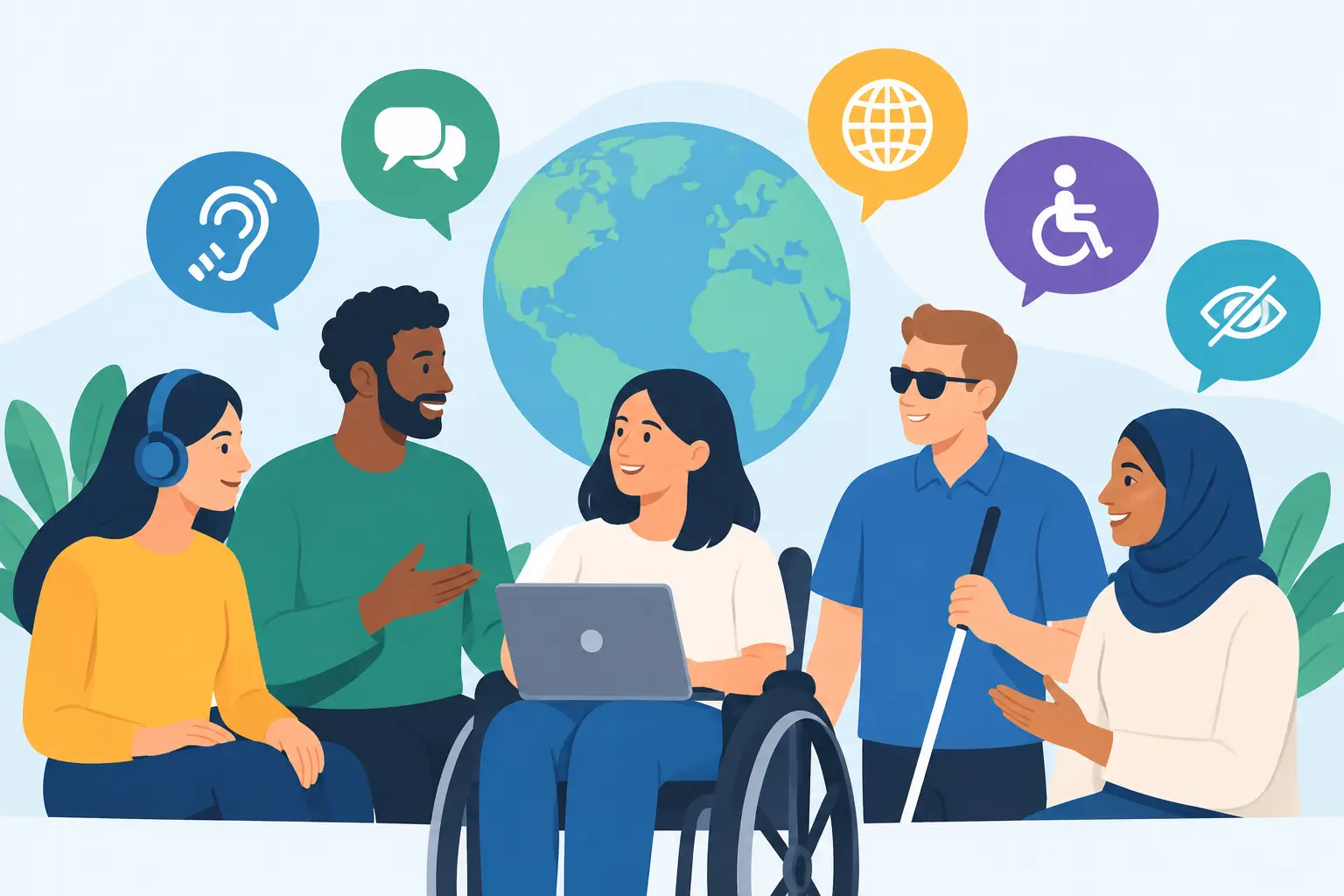
Accessibility translation services deliver clear, inclusive multilingual documents, events, and digital content so every audience can fully take part.
Read more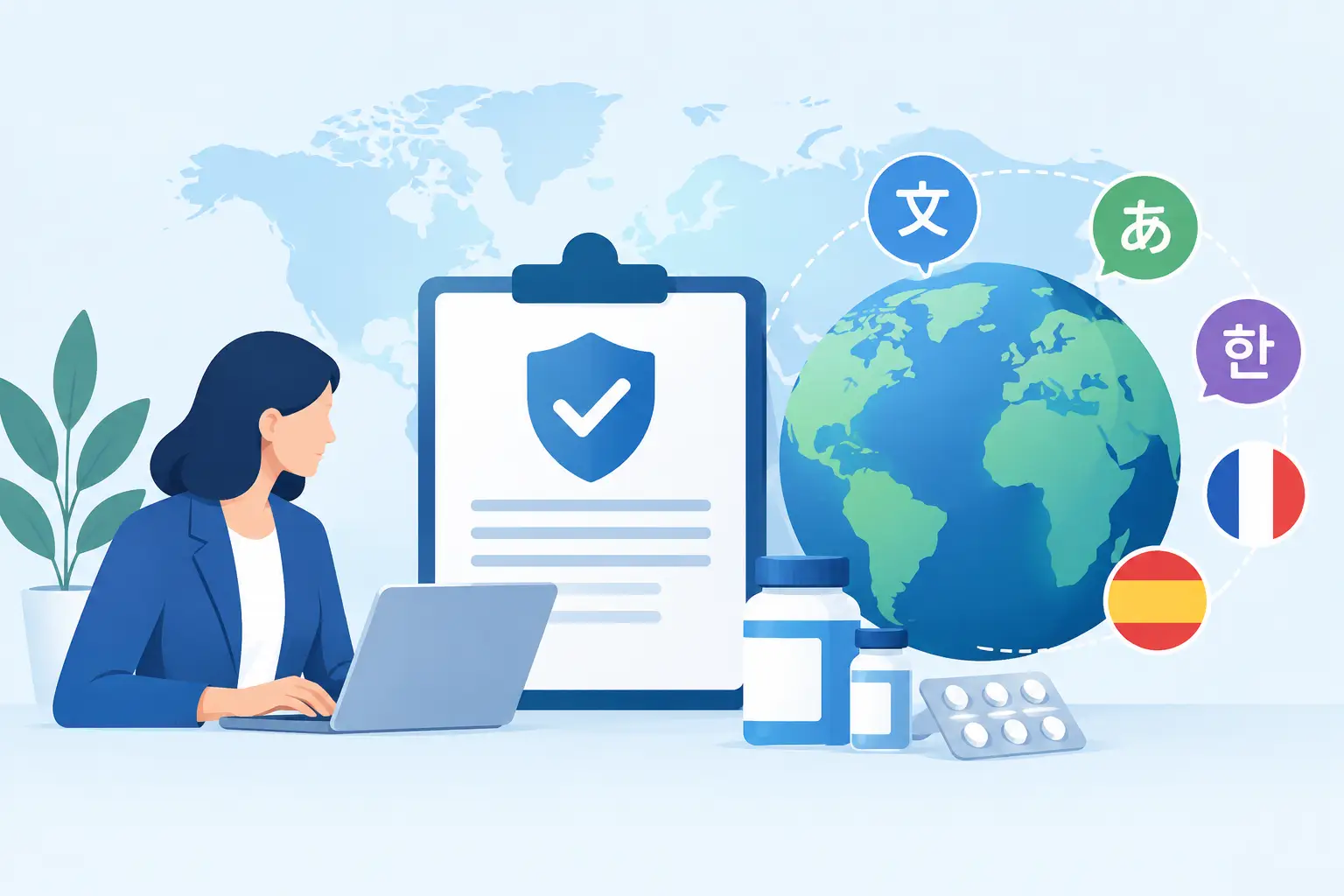
A practical guide to FDA translation compliance for clinical, regulatory, and labeling teams seeking accurate, traceable multilingual documentation now.
Read more
Lenguae aims to teach language in a comprehensive way. With our courses, you will learn to understand and express yourself in both in writing and speaking, while also getting in touch with the culture of the countries that speak the language you’re learning. All our teachers are experienced in language teaching, being either native speakers or having lived abroad.
Career at Lenguae
