
Relocation Language Training That Helps Teams Settle In
Relocation language training gives relocating employees and families practical communication skills for work, school, healthcare, and daily life abroad.
Read more
A patient nodding during discharge instructions does not always mean they understand how to take a new medication, when to seek urgent care, or what follow-up is required. In those moments, medical interpreter qualifications are not a staffing detail. They are part of safe, equitable care.
For hospitals, clinics, physician practices, pharmacies, and behavioral health providers, the right interpreter can help prevent misunderstandings that lead to missed appointments, poor treatment adherence, incomplete consent, and avoidable risk. For patients and families, qualified language support makes it possible to ask questions, express symptoms accurately, and participate meaningfully in decisions about their health.
A qualified medical interpreter does more than speak two languages. They can accurately interpret spoken communication between a patient and provider while preserving meaning, tone, register, and cultural context. They also understand the professional boundaries that protect everyone involved in a clinical encounter.
Language fluency is the starting point, not the finish line. A bilingual employee may communicate comfortably in everyday conversation yet struggle to interpret complex discussions about medication interactions, informed consent, psychiatric symptoms, surgical risks, or end-of-life preferences. Interpreting requires the ability to listen, retain information, process it quickly, and render it in another language without adding, omitting, simplifying, or changing the message.
In healthcare, qualification typically rests on a combination of demonstrated language proficiency, interpreter training, knowledge of medical terminology, ethics, and experience in healthcare settings. The exact requirements can vary by state, employer, payer, and care environment, but the standard should remain clear: patients deserve language access delivered by someone prepared for the consequences of clinical communication.
When evaluating an interpreter or language services partner, organizations should look beyond a résumé line that says “bilingual.” The most reliable candidates can demonstrate several distinct capabilities.
These qualifications matter in every mode of care. A remote video interpreter must manage technology and visual cues while maintaining privacy. A telephone interpreter must convey meaning without facial expressions or gestures. An on-site interpreter may need to support sensitive examinations, family meetings, or complex specialty consultations. The setting changes, but the standard for accuracy does not.
Medical interpreter certification is often misunderstood. Certification generally means an interpreter has met eligibility requirements and passed an assessment process that evaluates professional knowledge and, for certain languages, interpreting performance. It can provide useful assurance that an interpreter has met an established benchmark.
However, certification availability differs by language. Not every language has a national performance certification exam, and a lack of certification does not automatically mean an interpreter is unqualified. This is especially relevant for languages of lesser diffusion, Indigenous languages, and dialects that are essential to a specific community.
When certification is unavailable, healthcare organizations should use a thoughtful qualification process. That may include verified language proficiency testing, documented interpreter training, medical terminology assessment, references, and observed performance. The goal is not to apply a label mechanically. It is to confirm that the interpreter can handle the assignment safely and professionally.
A patient may prefer to bring a relative for comfort, and family support can be deeply meaningful. Yet relatives, friends, and minor children should not be treated as the default solution for medical interpretation. They may lack the terminology, impartiality, and confidentiality training needed for clinical discussions. They may also filter information out of fear, embarrassment, or a desire to protect the patient.
The risk is particularly serious in conversations involving reproductive health, mental health, domestic violence, substance use, diagnosis disclosure, or consent. Children should never be expected to carry the emotional and linguistic weight of interpreting for a parent or guardian during care.
Bilingual staff can be a valuable resource when they have been formally assessed and trained for interpreting duties. Without that preparation, asking them to interpret can pull them away from their primary responsibilities while creating a quality and compliance concern. Speaking a language is an asset. Professional interpreting is a separate skill set.
Not every appointment carries the same level of complexity. A brief scheduling call and a discussion of a cancer treatment plan should not be staffed using the same assumptions. The appropriate interpreter depends on the language, encounter type, patient needs, subject matter, and delivery method.
For routine appointments, a trained interpreter with healthcare experience may be the right fit. For highly technical, lengthy, or emotionally sensitive encounters, organizations may need an interpreter with specialty experience in oncology, cardiology, obstetrics, mental health, surgery, or another relevant field. For rare languages, advance scheduling can make the difference between a prepared assignment and a rushed workaround.
Dialect should also be addressed early. “Chinese,” “Arabic,” and “Spanish,” for example, can describe broad language categories rather than a patient’s preferred spoken variety. A qualified interpreter or experienced language services provider will ask practical questions in advance to identify the language and dialect needed, the appointment format, expected duration, and whether the encounter involves sensitive content.
Healthcare leaders need a process that is defensible, practical, and usable by busy staff. Start by defining who may interpret in your organization and under what conditions. Establish a clear distinction between a bilingual employee and a qualified interpreter. Then document how language proficiency, training, certification, and ongoing performance are verified.
A strong process also includes assignment protocols. Front-desk teams and clinical staff should know how to identify a patient’s preferred language, request an interpreter promptly, and document the service provided according to organizational policy. Providers benefit from simple guidance: speak directly to the patient, pause regularly, avoid side conversations, and allow time for interpretation rather than treating it as an interruption.
Quality review should not stop once an interpreter is scheduled. Patient feedback, provider feedback, complaint review, and periodic reevaluation can reveal gaps in availability, modality, or interpreter performance. This is particularly valuable for remote services, where audio quality, connectivity, privacy, and workflow can affect the encounter.
For organizations serving multiple locations or languages, an experienced language partner can reduce the administrative burden by matching each assignment to interpreters with verified skills and appropriate healthcare experience. Lenguae supports on-site, video, and telephone healthcare interpretation with a focus on terminology accuracy, confidentiality, cultural understanding, and flexible scheduling.
Before confirming coverage, ask whether the interpreter has verified proficiency in the required language and dialect, completed medical interpreter training, and worked in comparable clinical settings. Ask whether certification is available for that language and, if so, whether the interpreter holds it. For high-stakes appointments, ask about relevant specialty experience and whether the interpreter is comfortable with the delivery format.
It is also wise to confirm privacy safeguards for remote sessions, particularly when protected health information may be discussed. A convenient option is not automatically an appropriate one if the patient cannot hear clearly, lacks a private setting, or needs visual communication support.
The right medical interpreter helps a patient hear more than words. They help the patient receive the full meaning of care, ask the questions that matter, and leave the encounter with a clearer path forward.
Send us your documents
now and we will get back to
you with a free quote!
"The methodology, material and excellent teachers make Lenguae the best option for the personalized of English, as the learning.”

Relocation language training gives relocating employees and families practical communication skills for work, school, healthcare, and daily life abroad.
Read more
Legal interpreter evaluation helps courts, law firms, and agencies confirm language skill, ethics, and courtroom readiness before high-stakes assignment.
Read more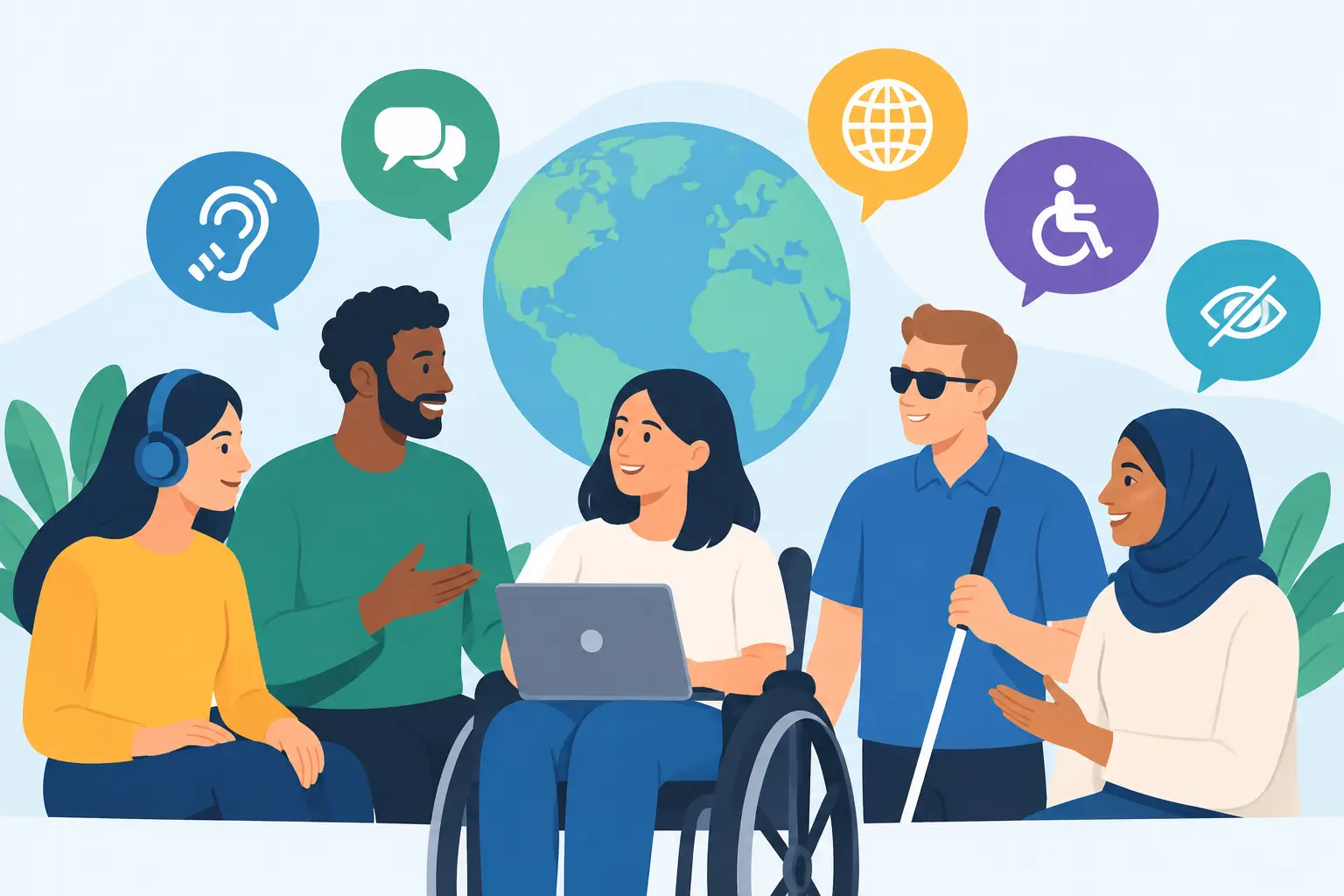
Accessibility translation services deliver clear, inclusive multilingual documents, events, and digital content so every audience can fully take part.
Read more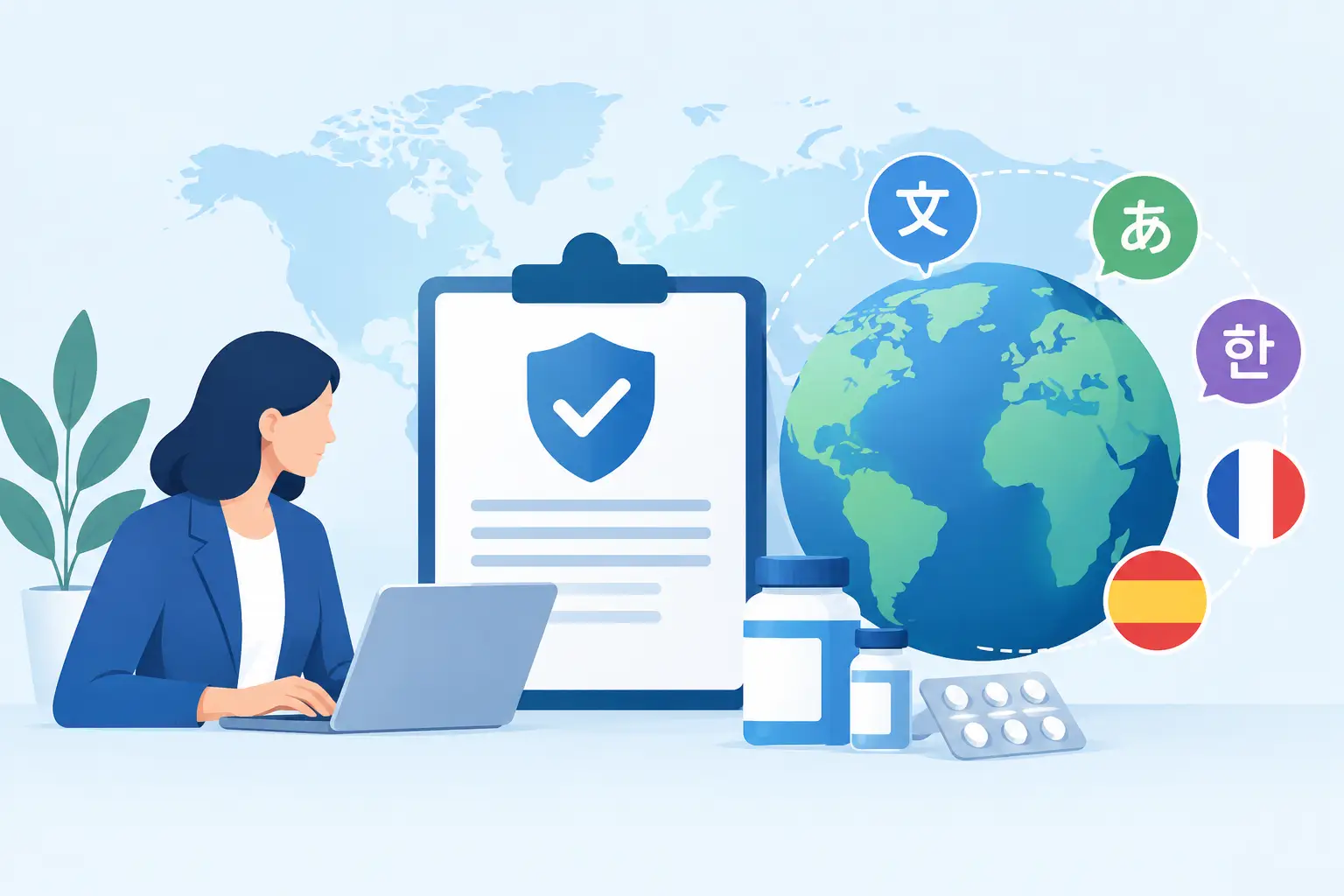
A practical guide to FDA translation compliance for clinical, regulatory, and labeling teams seeking accurate, traceable multilingual documentation now.
Read more
Language training helps teams and individuals communicate clearly, serve diverse communities, and build confidence for work, care, and daily situations.
Read more
Lenguae aims to teach language in a comprehensive way. With our courses, you will learn to understand and express yourself in both in writing and speaking, while also getting in touch with the culture of the countries that speak the language you’re learning. All our teachers are experienced in language teaching, being either native speakers or having lived abroad.
Career at Lenguae
