
How to Choose the Best Medical Translation Providers
Choose the best medical translation providers with confidence. Learn what protects patient safety, supports compliance, and keeps every records clear.
Read more
A patient calls a clinic with worsening symptoms. A parent needs to understand a school meeting. An attorney must confirm a detail before a filing deadline. In these moments, phone interpretation services can turn a delayed, uncertain conversation into one where every participant can speak, understand, and make informed decisions.
Telephone interpreting connects a qualified interpreter to a conversation by phone, often within minutes. It is a practical option when an in-person interpreter cannot arrive quickly, a video platform is not available, or the call itself is the most appropriate setting. For organizations serving multilingual communities, the value is not simply speed. It is the ability to offer meaningful language access when timing, confidentiality, and accuracy matter.
Phone interpretation services provide live, spoken interpretation between people who do not share a language. The interpreter listens to one speaker and conveys the message in the other language, preserving meaning, tone, and relevant cultural context. Depending on the call, interpretation may be consecutive, with each person pausing after a short statement, or managed in brief exchanges that keep the conversation moving.
This format works especially well for unscheduled or time-sensitive communication. A hospital registration team may need help confirming a patient’s history at 2 a.m. A municipal office may receive a resident’s call in a language staff members do not speak. A human resources professional may need to discuss a workplace concern with an employee located in another state. Rather than asking a family member to interpret or postponing the conversation, the organization can bring in a professional interpreter.
A phone call is not the right format for every situation. Complex hearings, sensitive medical consultations, extended trainings, or conversations where visual cues are essential may call for video remote interpretation or an on-site interpreter. The best choice depends on the subject matter, expected length, language, participants, and level of risk if communication is misunderstood.
In healthcare, accurate interpretation supports informed consent, medication adherence, discharge instructions, behavioral health discussions, and follow-up care. Patients should not have to rely on children, relatives, or untrained bilingual staff to explain a diagnosis or make decisions about treatment. A qualified medical interpreter understands the importance of impartiality, confidentiality, and clear communication around clinical terminology.
Legal and immigration matters carry similar stakes. Attorneys, courts, legal aid organizations, and immigration professionals may use phone interpreting for client intake, case updates, interviews, detention calls, or document review discussions. Legal language can be precise and consequential. An interpreter must accurately handle terms related to charges, deadlines, rights, evidence, applications, and sworn statements without adding opinions or simplifying away essential meaning.
Government agencies and public-facing organizations also depend on telephone interpretation to make services accessible. A resident may need to ask about housing assistance, public benefits, licensing, school enrollment, emergency preparedness, or a local program. When language access is built into the process, agencies reduce avoidable confusion and give more people a fair opportunity to participate.
For businesses, the need may arise in customer service, employee relations, benefits conversations, relocation support, safety reporting, insurance claims, or vendor coordination. A quick connection to the right language professional can prevent an issue from escalating because a caller could not explain what happened or understand the next step.
A bilingual person is not automatically prepared to interpret professionally. Fluency is a foundation, but high-stakes interpreting also requires listening discipline, memory, ethical judgment, and familiarity with the terminology used in a particular field.
Consider a healthcare call involving symptoms, dosage instructions, and a treatment plan. Or a legal intake conversation where a client is describing events that may affect a case. Small distinctions matter. A word that means discomfort rather than pain, a statement about a past event rather than an ongoing one, or a deadline described incorrectly can change what the listener understands.
Qualified interpreters communicate the speaker’s message faithfully. They do not answer questions on a client’s behalf, provide legal or medical advice, omit uncomfortable details, or take sides. They also know when to ask for clarification. That professional boundary protects everyone involved in the conversation.
Cultural competence matters, too. It does not mean assuming that every person from a language group has the same experience. It means recognizing that communication styles, forms of address, family roles, and expectations around sensitive topics can affect how a message is received. A skilled interpreter helps maintain clarity while treating each person with respect.
A phone conversation can feel informal, but many interpreted calls involve protected health information, legal strategies, employment issues, financial details, or immigration records. The interpreter should follow strict confidentiality practices and professional ethics appropriate to the assignment.
Organizations also have responsibilities. Staff should verify who is participating in the call, use approved phone systems when sensitive information is discussed, and avoid placing confidential details in voicemail or unsecured messages. Before the conversation begins, it helps to tell all participants that a professional interpreter is present and that the interpreter will keep the information confidential.
For especially sensitive matters, request an interpreter with relevant subject-matter experience. A behavioral health conversation, an asylum-related consultation, and a pharmaceutical adverse-event report each call for different vocabulary and a different level of familiarity with the setting. Matching the interpreter to the assignment is one of the clearest ways to reduce risk.
Phone interpretation is fast, but a few practical steps improve the quality of the conversation. Start by confirming the language needed. Whenever possible, ask the individual which language or dialect they prefer instead of making assumptions based on country of origin or appearance.
At the beginning of the call, introduce everyone and explain the purpose in plain language. Speak directly to the person, not to the interpreter. Say, “What symptoms are you experiencing?” rather than, “Ask her what symptoms she has.” This keeps the conversation respectful and helps the interpreter accurately convey the speaker’s voice.
Use short, complete statements and pause regularly. Avoid acronyms, slang, side conversations, and rapid-fire questions. If a technical term or organization-specific phrase is necessary, briefly explain it. For a longer or more complex call, sharing appropriate background information with the interpreter before connecting can be helpful, provided confidentiality requirements are followed.
Staff should also allow enough time. An interpreted conversation usually takes longer than a monolingual one because every message must be heard and rendered accurately. Rushing can lead to missed information, repeated questions, and frustration for the person who already faces a language barrier.
The right provider should be able to deliver more than a language match. Look for broad language coverage, qualified human interpreters, industry experience, dependable availability, and clear procedures for confidential assignments. Organizations with recurring needs should also ask about scheduling processes, account support, usage reporting, and options for planned versus urgent calls.
Price matters, particularly for organizations balancing public-service obligations and limited budgets. However, the lowest rate is not always the lowest-cost solution. An inaccurate interpretation can result in missed appointments, repeated calls, compliance problems, delayed care, or legal exposure. The goal is affordable access to the level of expertise the conversation requires.
For planned calls, provide the date, time, language, estimated duration, type of conversation, and any specialized terminology. For urgent needs, establish an internal process so staff know whom to contact and what information to have ready. This prevents employees from improvising when a caller needs immediate help.
Lenguae helps organizations and individuals arrange professional interpretation support across more than 50 languages, with solutions designed around the setting, sensitivity, and timing of each conversation. Whether the need is a single urgent call or ongoing language access for a team, choosing qualified support allows people to communicate with confidence when the outcome cannot wait.
Send us your documents
now and we will get back to
you with a free quote!
"The methodology, material and excellent teachers make Lenguae the best option for the personalized of English, as the learning.”
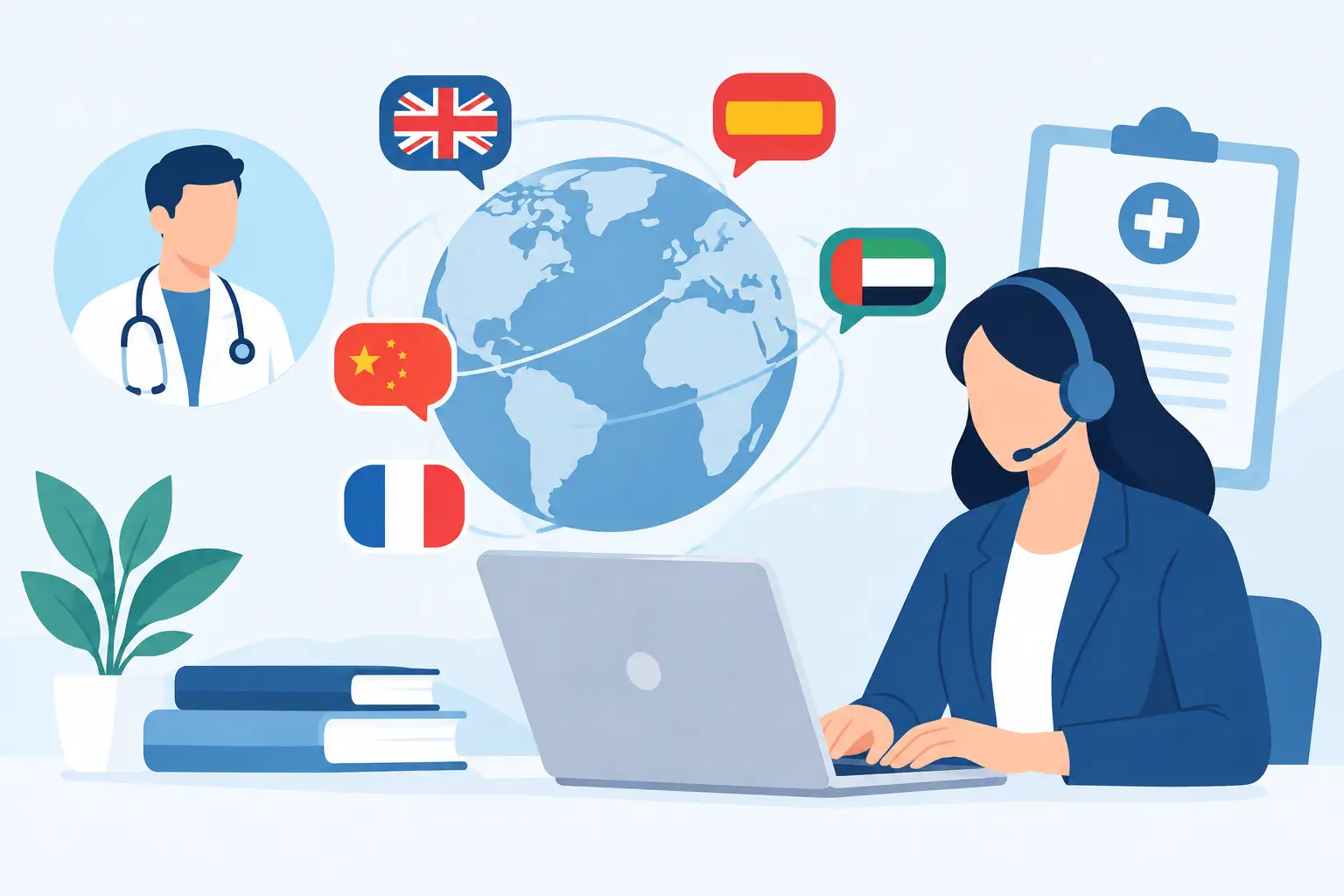
Choose the best medical translation providers with confidence. Learn what protects patient safety, supports compliance, and keeps every records clear.
Read more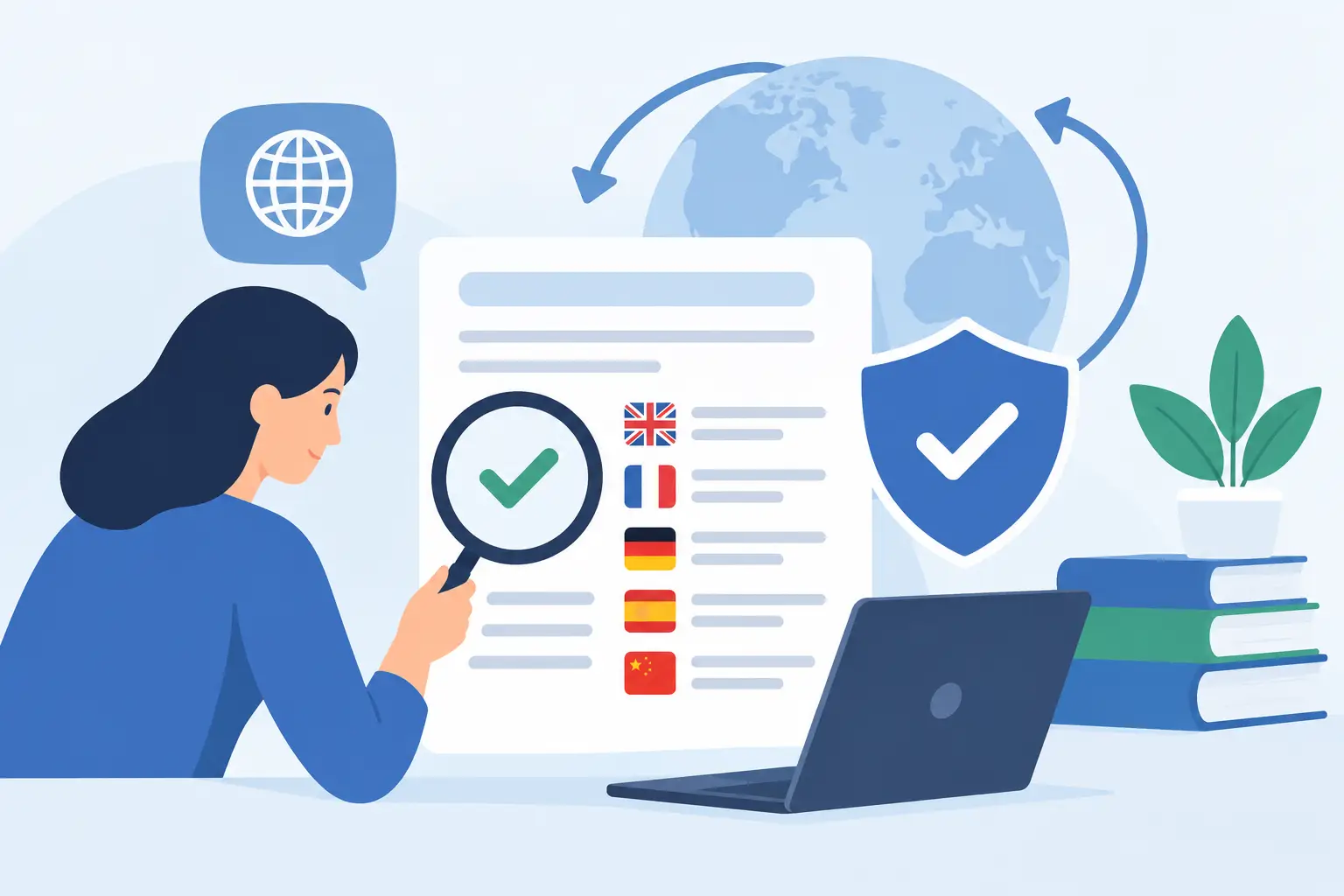
This guide to translation quality assurance explains how expert review, terminology control, and secure workflows protect high-stakes communication well.
Read more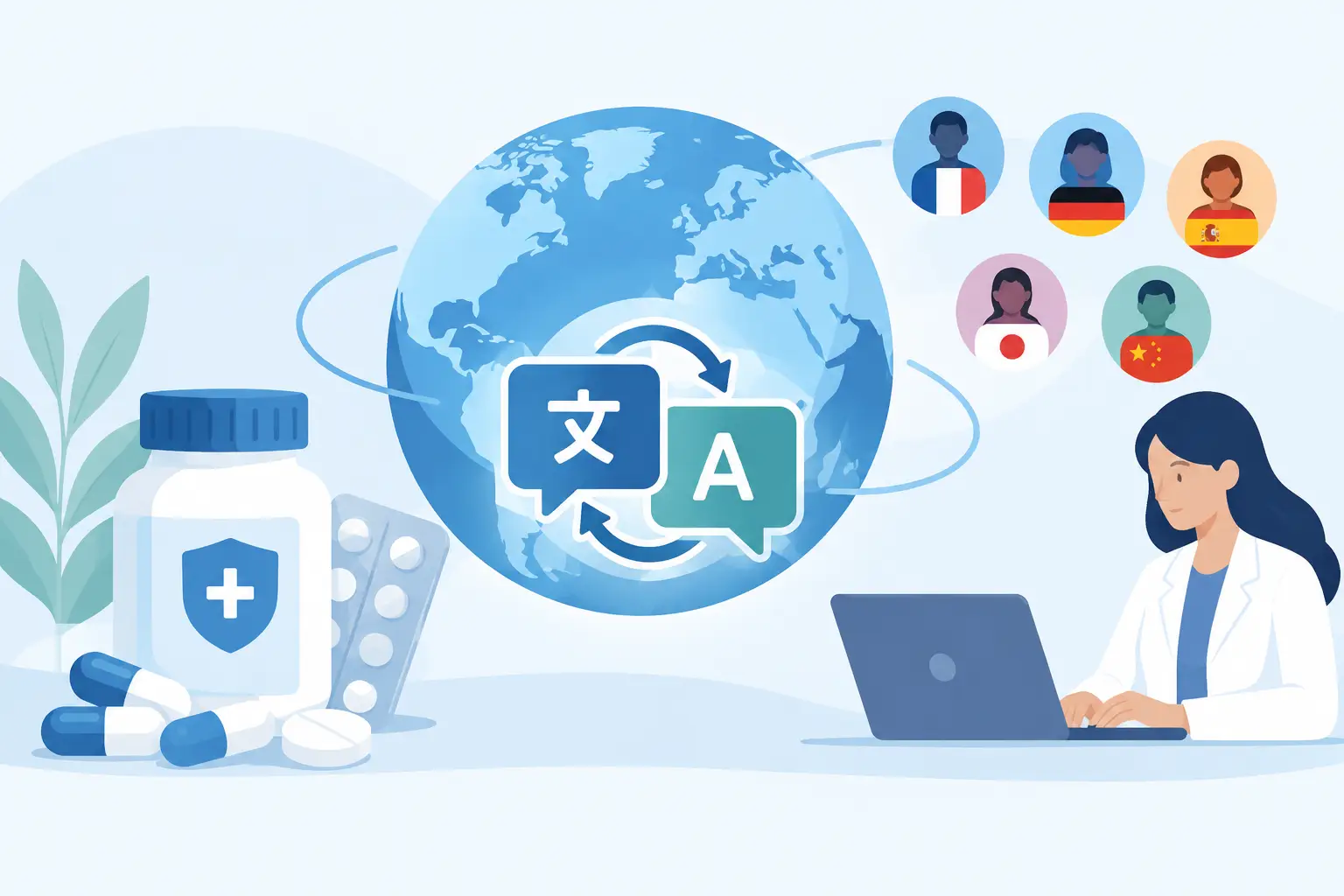
Pharmacovigilance translation services support clear, compliant safety reporting across languages, protecting patients and helping teams meet deadlines.
Read more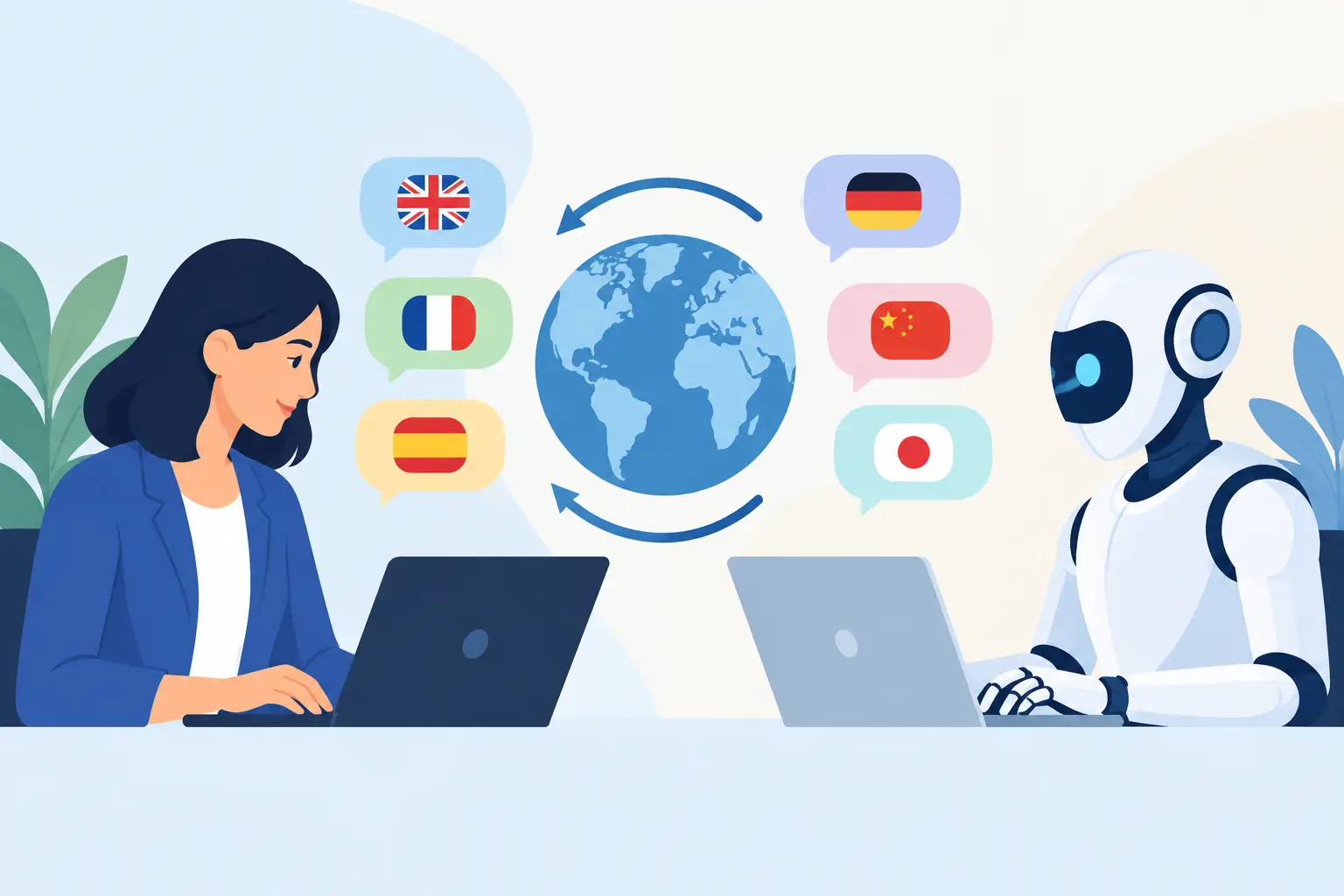
Human versus machine translation affects accuracy, privacy, cost, and speed. Learn when expert linguists protect your most important communication needs.
Read more
Get immigration translation results you can trust with certified document translations that protect meaning, meet USCIS needs, and keep cases moving.
Read more
Lenguae aims to teach language in a comprehensive way. With our courses, you will learn to understand and express yourself in both in writing and speaking, while also getting in touch with the culture of the countries that speak the language you’re learning. All our teachers are experienced in language teaching, being either native speakers or having lived abroad.
Career at Lenguae
