
Phone Interpretation Services for Critical Calls
Phone interpretation services give healthcare, legal, and government teams fast, confidential language support when a qualified interpreter is needed now.
Read more
A customer call stalls when a service representative cannot explain a billing issue clearly. A project manager hesitates during a meeting with an overseas supplier. A newly relocated employee understands the technical work but misses the informal conversations where decisions are often made. These are not minor communication gaps. They can affect client trust, productivity, safety, retention, and revenue. Well-designed corporate language training gives employees practical language skills for the work they actually need to do.
For organizations serving multilingual clients, managing international teams, or supporting employees who are building English proficiency, language training is a business resource. The strongest programs do more than teach vocabulary and grammar. They prepare people to participate confidently in meetings, write clearly, handle sensitive conversations, and communicate across cultures without losing accuracy or respect.
A general language class may be useful for personal development, but workplace learning has a different purpose. It should address the situations employees encounter during their regular responsibilities. That might mean helping a healthcare administrator explain appointment procedures to patients, preparing a sales team to present services in Spanish, or helping engineers contribute more comfortably to technical discussions in English.
The right scope depends on the organization. A regional employer with a growing Spanish-speaking workforce may need job-specific English instruction for supervisors and frontline teams. A pharmaceutical company working with international partners may need advanced English training focused on presentations, documentation, and regulatory terminology. A law firm may need its staff to strengthen client-facing communication while maintaining discretion around confidential matters.
Training works best when it starts with a clear question: what communication problem is the organization trying to reduce? The answer should shape the course content, level placement, schedule, and delivery format.
Employees are more likely to use a new language when lessons reflect real tasks. Instead of practicing an imaginary restaurant dialogue, a customer support team can rehearse how to clarify an account number, explain a delay, document a complaint, and close a call professionally. A manager can practice giving feedback, asking follow-up questions, and confirming that expectations were understood.
This approach also protects accuracy. In high-stakes settings, a word that seems interchangeable in ordinary conversation may have a specific meaning. Healthcare teams need language that supports clear patient communication without drifting into clinical interpretation beyond an employee’s role. Legal and immigration professionals need to understand the difference between being conversationally fluent and accurately conveying formal information. Technical teams may need terminology that matches internal processes, product documentation, or safety procedures.
A tailored program can incorporate the materials people already use, such as onboarding documents, common email formats, meeting agendas, scripts, forms, and product descriptions. Materials should be reviewed carefully to protect confidential information. When real examples cannot be used, instructors can create comparable scenarios that preserve the task without exposing sensitive details.
Not every communication situation deserves equal training time. A quick internal chat may matter less than a safety briefing, a patient intake conversation, a contract discussion, or a difficult client call. Organizations should identify the interactions where misunderstanding creates delays, complaints, compliance issues, or avoidable escalation.
This is especially relevant for teams working across language backgrounds. Employees should learn how to ask for clarification without embarrassment, confirm understanding, avoid assumptions, and recognize when a qualified interpreter or translator is required. Language training builds capability, but it does not replace professional interpretation for medical, legal, or other critical encounters where accuracy and impartiality are essential.
Even an excellent curriculum loses value if employees cannot attend consistently. Corporate language training should fit the reality of shifts, travel, hybrid schedules, and production deadlines. Flexible online instruction can support distributed teams and reduce travel time. In-person sessions may be more effective for groups that benefit from role-play, immediate coaching, or a dedicated learning environment. Many employers use a combination of both.
Short, recurring sessions often work better than occasional intensive courses because language retention depends on regular practice. For some teams, one or two instructor-led sessions each week paired with brief workplace assignments is realistic. For executives preparing for international negotiations or employees approaching a relocation date, a more concentrated schedule may be appropriate.
Class composition matters as well. Group learning can be cost-effective and encourages peer practice, especially when participants share similar job functions and language levels. Individual coaching offers greater flexibility and can target confidential, specialized, or leadership communication needs. A mixed model may be the best choice when a company needs broad foundational instruction plus focused support for key roles.
Attendance alone does not show whether a program is working. Useful measurement begins before the first session with a language assessment and a discussion of workplace goals. Employees should be placed at an appropriate level so beginners are not overwhelmed and advanced speakers are not held back by material they have already mastered.
Progress can be measured through practical outcomes: clearer emails, stronger participation in meetings, more accurate customer interactions, improved confidence during presentations, or fewer repeated instructions on the job. Managers can contribute valuable observations, but employees should also have a private way to share what they find difficult. They may be comfortable speaking with colleagues yet struggle with phone calls, written communication, idioms, or fast-paced meetings.
For a program serving a multilingual workforce, retention and advancement can be meaningful indicators. Employees who gain the language skills to complete training, communicate with supervisors, or qualify for new responsibilities may see a clearer future with the organization. That benefit matters to employers facing hiring pressure and to employees seeking greater independence at work.
Fluency is not a single finish line. A warehouse employee may need enough English to understand safety instructions, report an issue, and participate in a team meeting. A global account manager may need to negotiate, build rapport, and write polished correspondence. Both are legitimate goals, but their training plans should not look the same.
Language development also takes time. Programs should avoid promising instant fluency or treating accents as a problem to eliminate. The goal is clear, effective, culturally aware communication. Employees who feel respected are more likely to participate, take risks, and apply new skills outside the classroom.
A grammatically correct message can still be misunderstood if it overlooks workplace norms. Directness, turn-taking, decision-making, eye contact, hierarchy, humor, and expectations around deadlines can vary across cultures and teams. Cultural communication training helps employees notice these differences and respond with curiosity rather than judgment.
For example, a manager may interpret a brief answer as disengagement when an employee is showing respect by not interrupting or challenging a leader openly. A team member may read an indirect request as optional when it was intended as a firm deadline. Discussing these patterns does not mean stereotyping people by nationality. It means giving teams a practical framework for checking assumptions and communicating expectations clearly.
This is particularly valuable after a merger, during international expansion, or when organizations are onboarding employees from different language backgrounds. It can reduce friction before it becomes a performance or morale issue.
A training provider should be able to explain how instruction will connect to your workforce, your industry, and your schedule. Ask how learners are assessed, whether instructors have experience with your subject area, how course materials are customized, and how progress will be reported. If your organization handles protected, proprietary, or sensitive information, confidentiality practices should be part of the conversation from the start.
Language coverage is another practical consideration. A program may begin with English or Spanish but later need additional languages for global offices, relocated employees, or client-facing teams. A partner with broad language capacity can help organizations create a more consistent approach as needs change.
Lenguae provides flexible online and in-person language training designed around professional communication, with experienced instructors and solutions that can support employees across roles, locations, and language levels. The goal is not to add another generic benefit to a list. It is to help people communicate with greater confidence when the conversation matters.
The most useful next step is simple: identify one recurring workplace interaction where language is slowing people down or creating risk. Build training around that moment, give employees room to practice, and measure whether communication becomes clearer over time. That is where a language program begins to deliver lasting value.
Send us your documents
now and we will get back to
you with a free quote!
"The methodology, material and excellent teachers make Lenguae the best option for the personalized of English, as the learning.”

Phone interpretation services give healthcare, legal, and government teams fast, confidential language support when a qualified interpreter is needed now.
Read more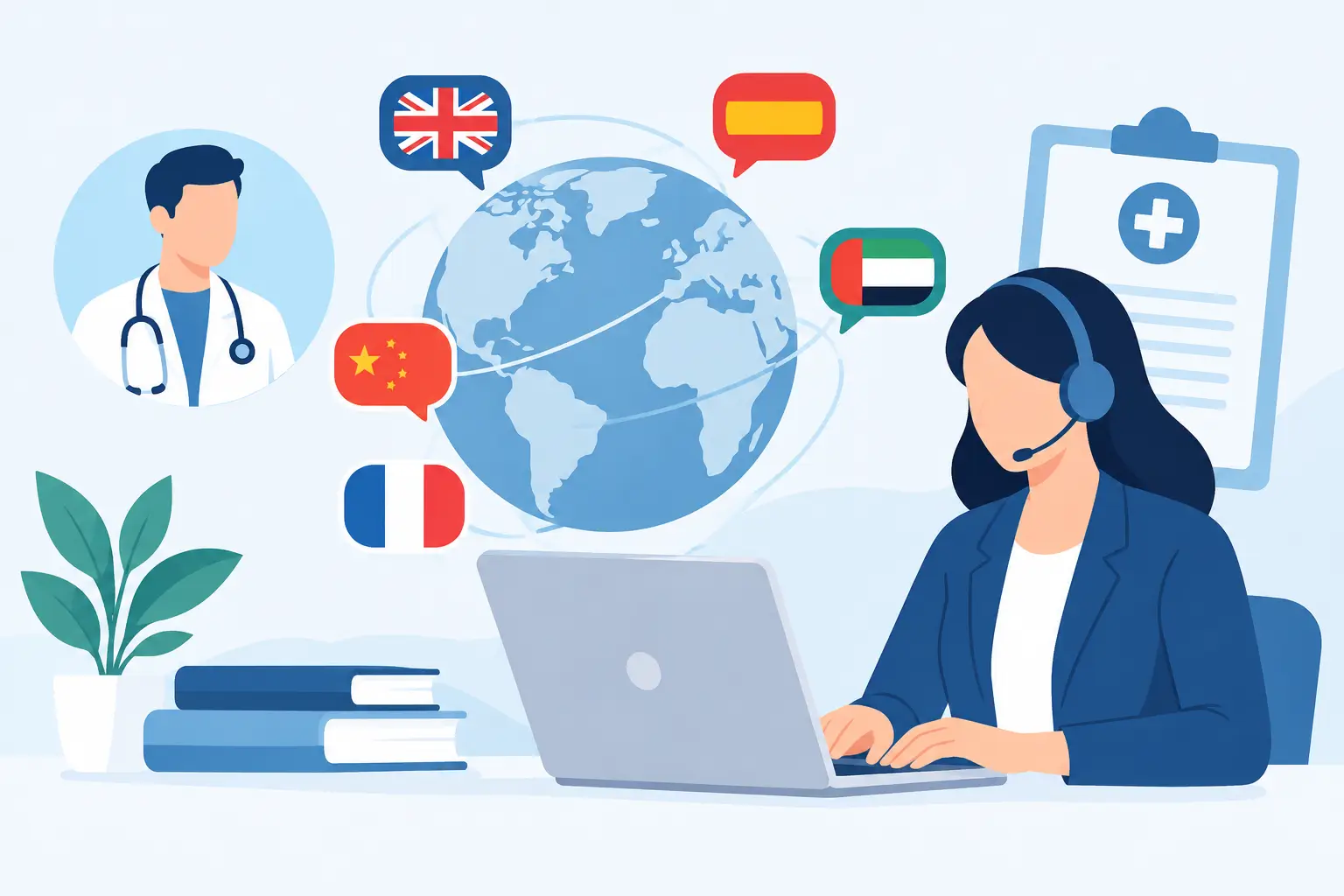
Choose the best medical translation providers with confidence. Learn what protects patient safety, supports compliance, and keeps every records clear.
Read more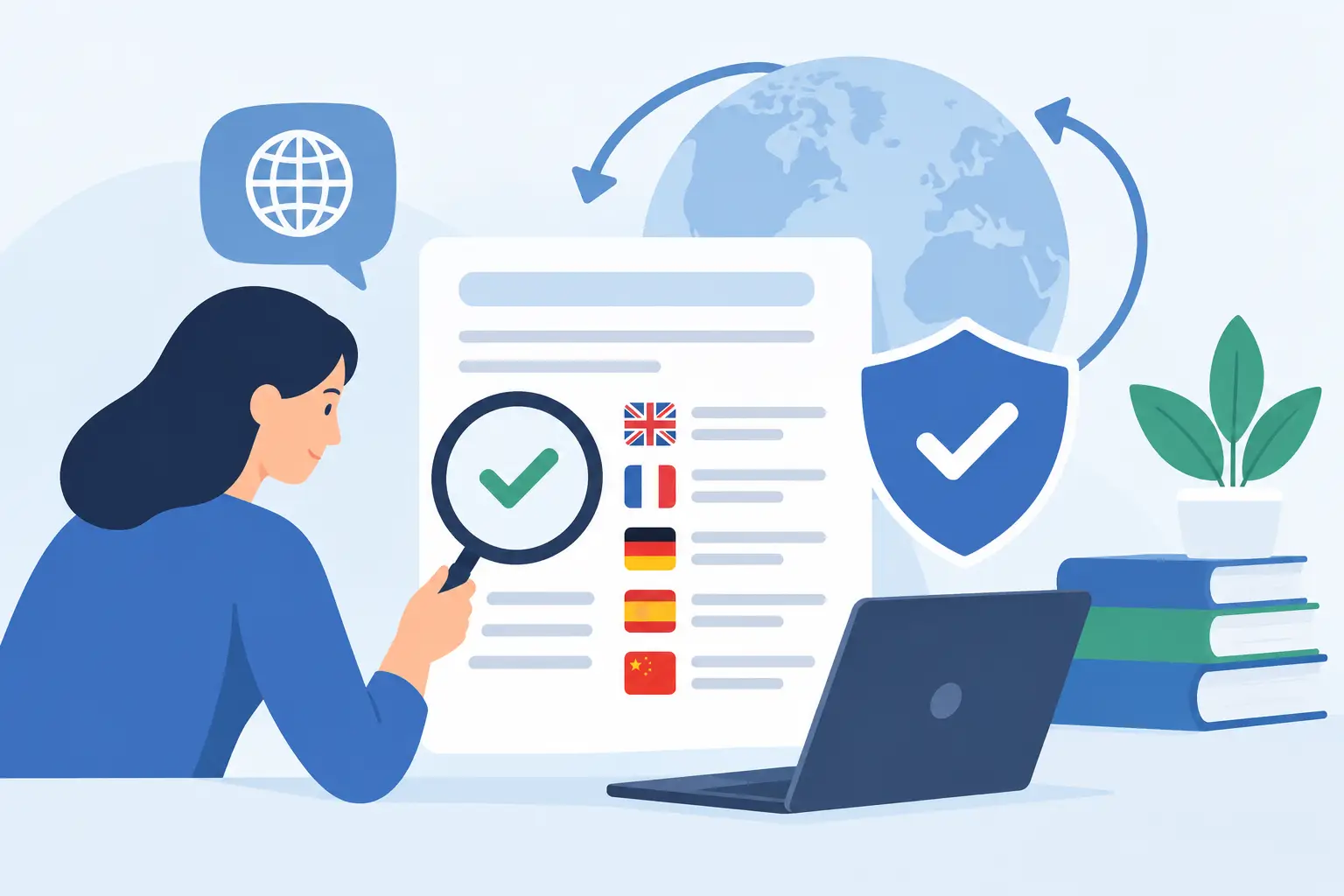
This guide to translation quality assurance explains how expert review, terminology control, and secure workflows protect high-stakes communication well.
Read more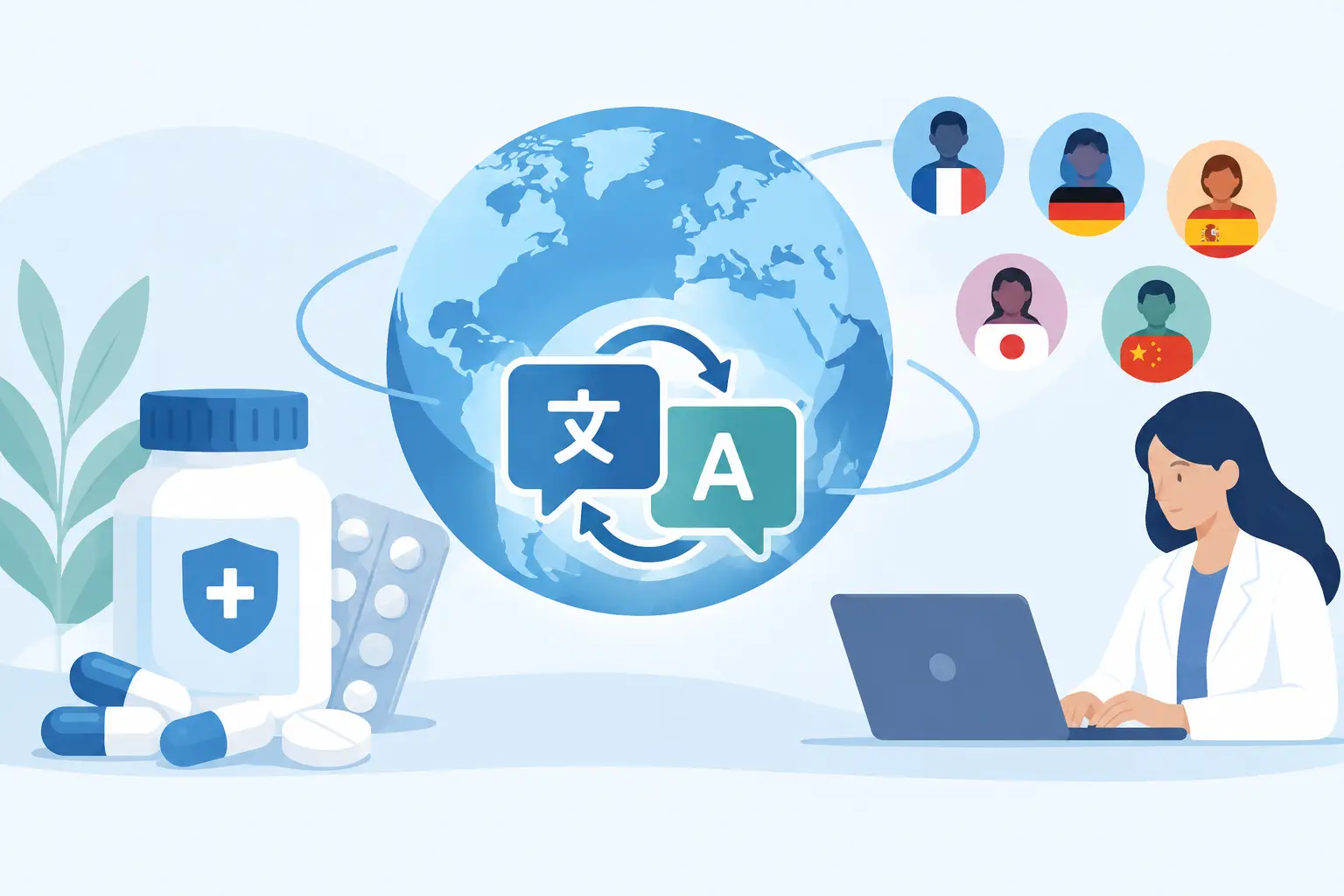
Pharmacovigilance translation services support clear, compliant safety reporting across languages, protecting patients and helping teams meet deadlines.
Read more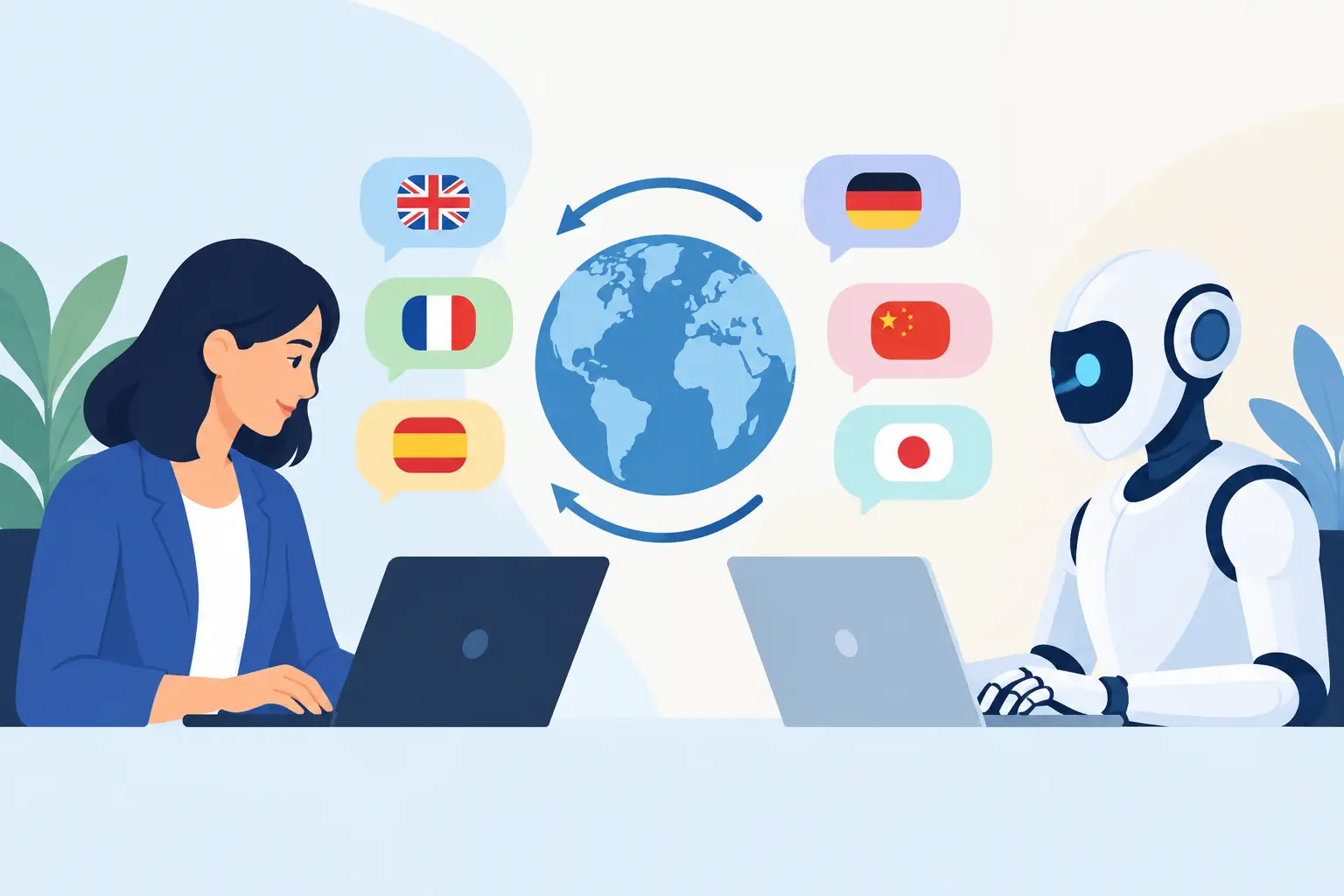
Human versus machine translation affects accuracy, privacy, cost, and speed. Learn when expert linguists protect your most important communication needs.
Read more
Lenguae aims to teach language in a comprehensive way. With our courses, you will learn to understand and express yourself in both in writing and speaking, while also getting in touch with the culture of the countries that speak the language you’re learning. All our teachers are experienced in language teaching, being either native speakers or having lived abroad.
Career at Lenguae
