
Human Versus Machine Translation: Which Fits?
Human versus machine translation affects accuracy, privacy, cost, and speed. Learn when expert linguists protect your most important communication needs.
Read more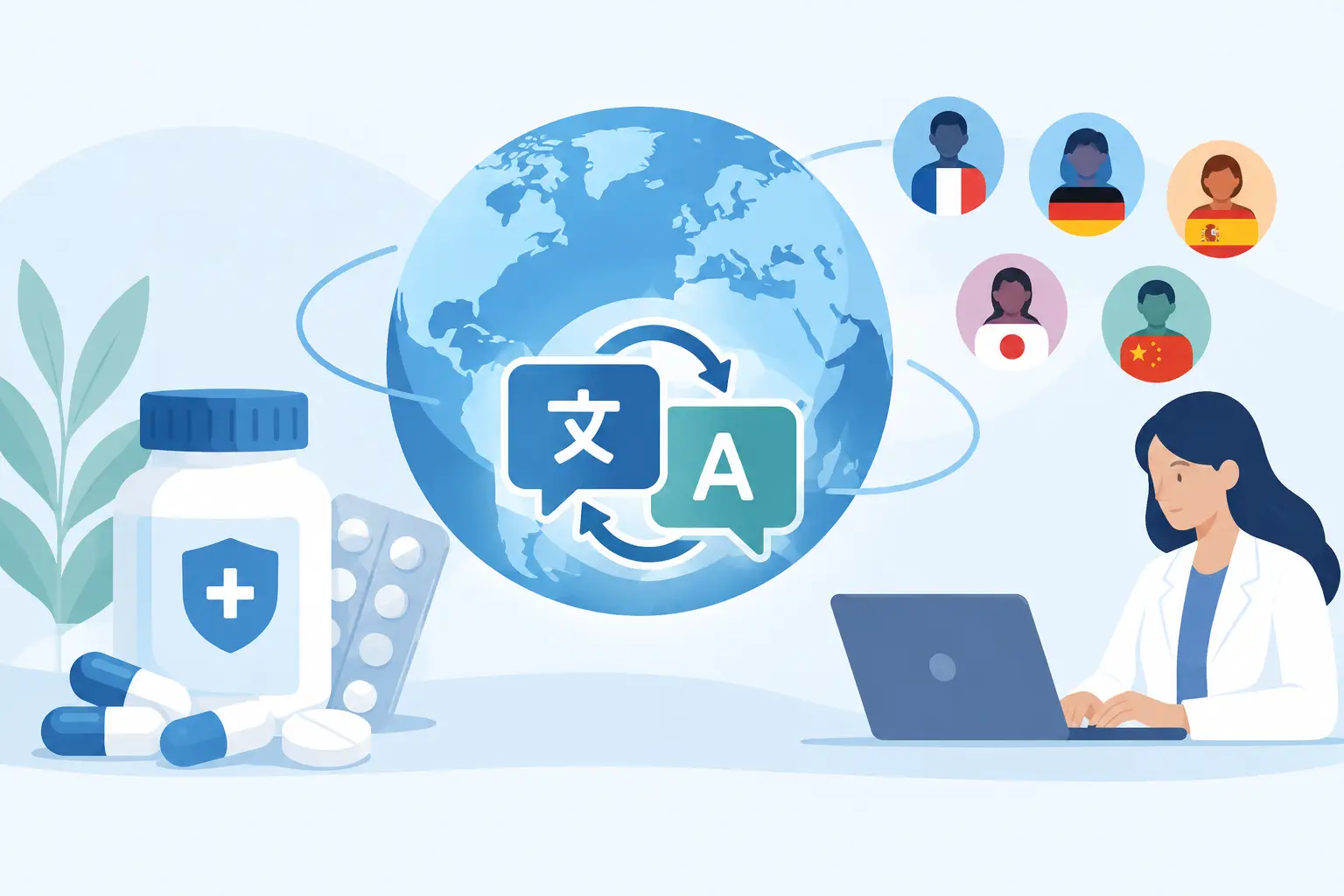
A single mistranslated symptom can change the meaning of a safety case. In pharmacovigilance translation services, the work is not simply converting adverse-event narratives from one language to another. It is preserving clinical facts, source meaning, chronology, medical terminology, and regulatory relevance so safety teams can make informed decisions.
For pharmaceutical companies, clinical research organizations, manufacturers, and healthcare partners, multilingual safety information often arrives under pressure. A patient report, literature article, product complaint, follow-up questionnaire, or investigator note may need review within a strict reporting window. The translation process must support that timeline without sacrificing the precision that patient safety and compliance require.
Pharmacovigilance is the ongoing monitoring of a medicinal product’s safety profile. Translation may be needed at several points in that process, from clinical development through post-marketing surveillance. The documents vary widely, but the requirement is consistent: the translated text must accurately reflect the source and be usable by trained safety professionals.
Common materials include individual case safety reports, adverse event and serious adverse event narratives, case follow-up correspondence, patient and healthcare professional reports, product quality complaints, medical records, discharge summaries, and informed consent-related documentation. Teams may also need translations of scientific literature for case assessment, periodic safety reports, risk management materials, labeling updates, and communications with regulators or local affiliates.
The source content is often imperfect. Handwritten notes, colloquial patient descriptions, incomplete timelines, abbreviations, and local medical terminology can all appear in a case file. A qualified translator does not fill gaps with assumptions. Instead, the translation should retain uncertainty where it exists, flag illegible or ambiguous text according to the agreed process, and distinguish a reported statement from a clinically confirmed finding.
General medical translation is valuable, but pharmacovigilance has its own language, workflows, and consequences. Translators must understand how terms such as adverse reaction, lack of efficacy, contraindication, dechallenge, rechallenge, and concomitant medication function in a safety context. They also need to recognize when a phrase describes an event, a diagnosis, a history, or a suspected causal relationship.
Consider the difference between a patient saying, “I felt my heart racing,” and a clinician documenting tachycardia. The first should not automatically become the second. Both may be relevant to case processing, but they carry different evidentiary weight. Preserving that distinction helps pharmacovigilance teams code, assess, and follow up on cases appropriately.
Language variation adds another layer. A term used in a Latin American medical record may differ from the preferred wording in a US clinical setting. The same is true for drug names, units of measure, date formats, and references to care settings. Native-language professionals with healthcare and pharmaceutical subject-matter knowledge are better positioned to interpret these details accurately while preserving the original record.
Safety reporting timelines can make turnaround speed a central concern. Expedited cases may require action in days, while a large volume of literature or periodic reports may need a coordinated schedule across multiple languages. Fast delivery is useful only when it is supported by a clear quality process.
A practical workflow starts by confirming the target language, intended use, file format, deadline, and whether the document is a source record, a narrative, or a regulatory-facing deliverable. The language team should also identify reference materials, including approved glossaries, product labeling, prior translations, and client-specific style preferences. This preparation reduces avoidable inconsistency, particularly when several translators work on a large program.
Quality review should match the risk and purpose of the document. A high-priority individual case may require a carefully controlled translation and review path designed for urgent reporting. A recurring multilingual safety program may benefit from terminology management, translator assignment by language pair and therapeutic area, and periodic quality monitoring. The right model depends on volume, document type, regulatory expectations, and internal review capacity.
There is a real trade-off here. Adding more review steps can improve control for complex or high-risk materials, but it can also extend turnaround times. Removing review to meet a deadline can create downstream risk. The best approach is not one fixed level of service. It is a documented, scalable process that applies the appropriate level of review to each assignment.
Consistency is not a cosmetic preference in pharmacovigilance. When the same concept is translated differently across cases, reviewers may spend time resolving language questions instead of evaluating safety signals. Inconsistent wording can also complicate case reconciliation, trend analysis, and communication between global and local teams.
A maintained glossary helps translators use approved product names, study terms, standard phrases, and preferred clinical language. Translation memory can support consistency for repetitive text, such as form fields and standard case language. These tools are helpful, but they do not replace human judgment. A sentence can be linguistically similar to a previous translation while referring to a different patient, dose, event date, or medical circumstance.
Pharmacovigilance files can contain protected health information, personal identifiers, confidential product information, and sensitive clinical details. A reliable translation provider should treat privacy and secure handling as operational requirements, not afterthoughts.
Before sending files, organizations should understand how materials will be transferred, stored, accessed, and retained. They should also confirm that translators and reviewers are bound by confidentiality obligations and that the provider can follow the client’s data-handling procedures. For particularly sensitive projects, secure portals, restricted-access workflows, and clear instructions for redaction or pseudonymization may be appropriate.
Confidentiality also protects the integrity of the work. When access is limited to qualified, authorized professionals, teams have greater control over who sees patient information and how the translation is produced. Public machine translation tools are not an appropriate substitute for a managed, confidential service when protected safety data is involved.
The strongest provider relationship begins with practical questions. Can the agency support the required languages? Does it assign native human translators with relevant medical or pharmaceutical experience? Can it handle urgent cases, recurring volumes, and multiple file types? Is there a defined quality and confidentiality process?
It is also worth asking how the provider handles queries. In safety translation, an unclear source phrase may need clarification, but the query process must not delay a time-sensitive deliverable without notice. A dependable partner will establish escalation contacts, communicate early about ambiguity, and provide a faithful translation when clarification is unavailable and the source can still be interpreted responsibly.
For US organizations working with global sites, affiliates, and patients, broad language coverage matters. So does cultural competence. A translator should understand how people describe symptoms, family relationships, medicines, and care experiences in their own language, while delivering English that safety reviewers can assess clearly.
Lenguae provides professional language support built around native human expertise, confidentiality, and responsive delivery. For pharmacovigilance needs, that means matching the assignment to qualified linguists and creating a workflow that supports your safety team rather than adding another point of uncertainty.
When patient safety information crosses a language boundary, clarity is a clinical and regulatory responsibility. A well-managed translation process gives your team a more reliable record to review, report, and act on when timing matters most.
Send us your documents
now and we will get back to
you with a free quote!
"The methodology, material and excellent teachers make Lenguae the best option for the personalized of English, as the learning.”
Human versus machine translation affects accuracy, privacy, cost, and speed. Learn when expert linguists protect your most important communication needs.
Read more
Get immigration translation results you can trust with certified document translations that protect meaning, meet USCIS needs, and keep cases moving.
Read more
Medical consent translation protects patient choice, supports informed care, and helps providers communicate clearly across languages and cultures safely.
Read more
Conference interpreters help multilingual events run clearly and confidently. Learn how to choose the format, team, and preparation for every audience.
Read more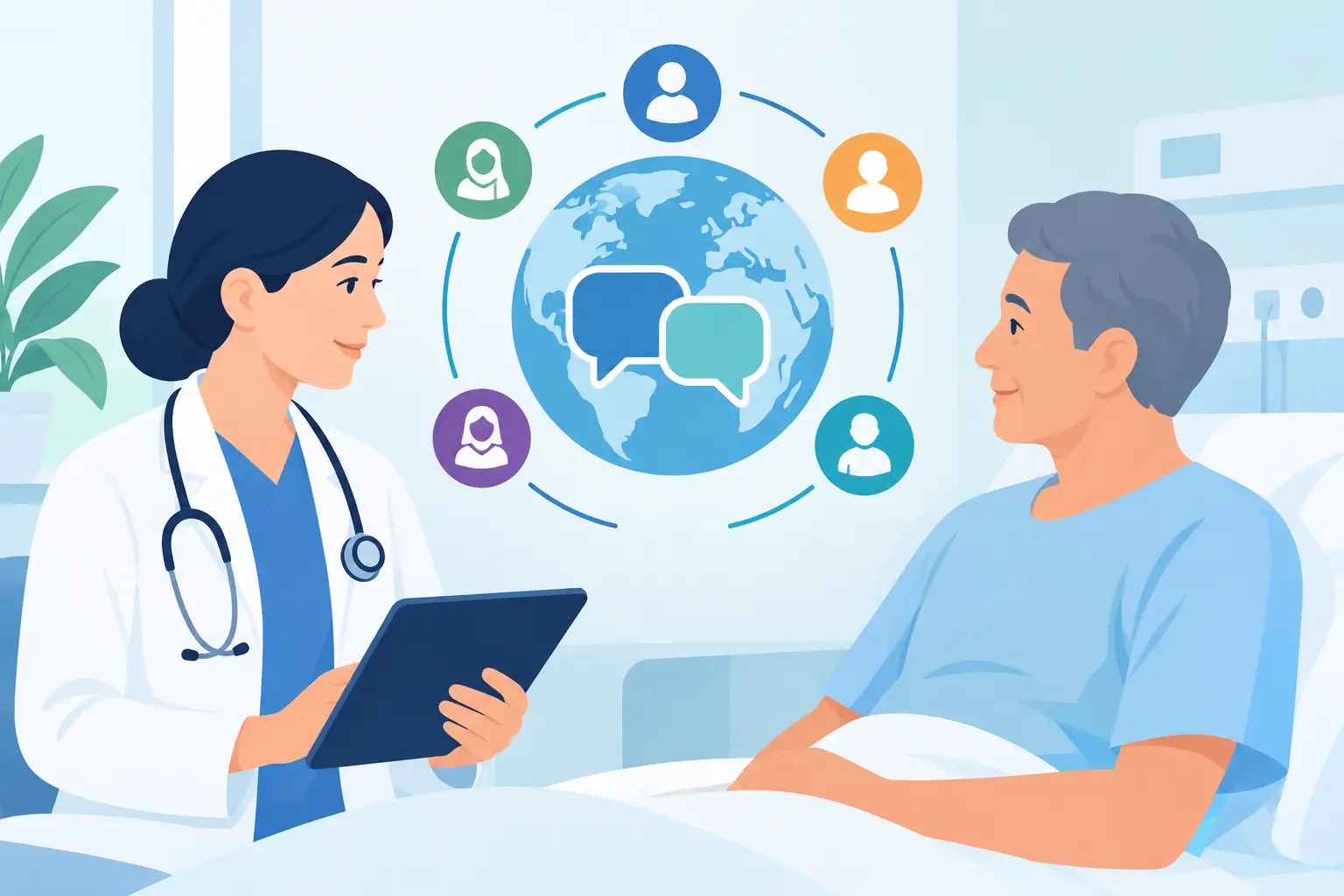
Medical translation protects patient safety, supports informed consent, and helps healthcare teams deliver clear, compliant care across languages safely.
Read more
Lenguae aims to teach language in a comprehensive way. With our courses, you will learn to understand and express yourself in both in writing and speaking, while also getting in touch with the culture of the countries that speak the language you’re learning. All our teachers are experienced in language teaching, being either native speakers or having lived abroad.
Career at Lenguae
