
A Guide to Translation Quality Assurance
This guide to translation quality assurance explains how expert review, terminology control, and secure workflows protect high-stakes communication well.
Read more
Federal communication rarely allows room for interpretation errors. A translated benefits notice, procurement document, safety protocol, or public-facing form may determine whether someone can access a service, respond to a requirement, or make an informed decision. GSA translation services help agencies and eligible buyers obtain qualified language support through an established purchasing path while keeping accuracy, confidentiality, and accountability in focus.
The right provider does more than convert words from one language to another. It assigns linguists who understand the subject matter, preserves the meaning and formatting of the original, and delivers materials that work for the people expected to use them. For federal teams, that combination can reduce delays, improve public access, and support clearer communication across language backgrounds.
Translation needs across government are broad. One project may involve a short public notice in several languages. Another may require hundreds of pages of technical records, legal materials, policy guidance, or training content. The service model should fit the assignment rather than force every request into the same workflow.
Professional GSA translation services may support written documents, certified translations, interpretation, localization, and multilingual training materials. Common requests include employee handbooks, procurement and contract materials, immigration-related documents, public health outreach, court-related records, standard operating procedures, websites, surveys, emergency communications, and conference materials.
The stakes vary by document type. A medical translation requires terminology that patients and providers can understand. A legal translation must closely reflect the source text and preserve legally meaningful language. Technical and scientific materials need linguists who recognize specialized terms, units, abbreviations, and industry conventions. A generalist translation approach can be less expensive at first, but it can create costly review cycles or confusion later.
Interpretation may also be part of the need. Federal staff may require scheduled on-site or remote interpreters for meetings, interviews, hearings, training sessions, community events, or medical encounters. The appropriate format depends on the setting. Consecutive interpretation is often well suited to interviews and smaller meetings, while simultaneous interpretation may be appropriate for conferences and presentations where speakers need to continue without pauses.
The strongest outcomes are usually set up at intake. Before assigning linguists, a provider should clarify the document’s purpose, intended audience, target language and regional preference, required file format, deadline, and any approval or certification requirements. A Spanish translation for a Puerto Rican audience, for example, may need different wording choices than one designed for a community with roots in Central America. Both can be correct, but one may be more familiar and useful to the audience.
Reference materials matter as well. Existing glossaries, prior approved translations, agency style guides, and preferred terminology help maintain consistency across recurring communications. They are especially valuable when several departments, programs, or contractors will use the same terms over time.
For high-stakes work, qualified human translators remain essential. Machine translation can sometimes help with internal triage or low-risk drafts, but it does not reliably recognize the legal, cultural, clinical, or operational consequences of a word choice. Human review is the safeguard that catches ambiguity, context gaps, formatting problems, and language that may read correctly yet fail to communicate clearly.
A sound quality process often includes translation by a native-level linguist, editing or review by another qualified professional when the project warrants it, and final checks for names, numbers, tables, dates, formatting, and completeness. The level of review should match the risk. A public emergency alert, a patient consent form, and a large technical manual do not require identical workflows, but each requires a deliberate one.
Government materials may contain personally identifiable information, protected health information, legal records, internal procedures, or nonpublic procurement details. Translation quality and information security cannot be treated as separate concerns.
When evaluating a language provider, ask how files are received, stored, assigned, and returned. Confirm that linguists and project staff work under confidentiality obligations and that access is limited to people assigned to the project. Secure file-transfer methods, defined retention practices, and clear communication channels are practical protections, not administrative extras.
It is also wise to discuss whether the assignment calls for specific credentials, notarization, a certificate of translation, or a signed statement of accuracy. These needs are distinct. A certified translation generally includes a statement attesting to completeness and accuracy, while notarization verifies the signer’s identity. The requesting office or receiving institution should determine which documentation is required.
GSA Advantage can make purchasing more straightforward, but buyers should still evaluate fit carefully. A schedule listing establishes a procurement route. It does not, by itself, tell you whether a provider has the language coverage, subject expertise, capacity, or project management approach your assignment requires.
Start with the work itself. Define the languages, estimated volume, delivery schedule, subject area, and whether the material will be published, submitted to a court or agency, used in healthcare, or shared with the public. Then look for a provider that can explain how it will staff and manage that particular request.
Four questions can quickly reveal whether a provider is prepared:
Price matters, particularly for recurring or high-volume needs. Still, the lowest per-word rate may not be the lowest overall cost if incomplete translation, inconsistent terminology, or missed deadlines lead to revisions and rework. A useful quote clearly identifies the service scope, language pair, turnaround, formatting needs, certification requirements, and any interpretation or desktop publishing components.
A translated document is most effective when it is easy to find, read, and use. Agencies serving multilingual communities should consider how language access fits into the full communication journey. Is the translated version available at the same time as the English version? Does the layout remain readable when text expands? Are phone numbers, email addresses, and response instructions still correct? Will users need an interpreter to ask follow-up questions?
Digital content deserves particular attention. Text that looks fine in an editable document may break when moved into a PDF, web page, form, slide deck, or e-learning platform. Language expansion, right-to-left scripts, non-Latin characters, and embedded graphics can all affect presentation. A provider that can review formatted files helps prevent a technically accurate translation from becoming difficult to use.
For live events and remote meetings, preparation has a similar effect. Sharing agendas, speaker presentations, participant roles, and terminology in advance allows interpreters to prepare. It also gives the organizer time to confirm the right interpreting mode, platform requirements, audio setup, and language channels. These details support meaningful participation for everyone in the room or on the call.
Organizations with ongoing language needs benefit from a consistent process. Instead of beginning from zero with every request, they can establish approved terminology, preferred language variants, document templates, escalation contacts, and service expectations. This improves consistency while making urgent requests easier to manage.
Lenguae supports federal, public-sector, healthcare, legal, education, and corporate clients with native human linguists, specialized translation and interpretation services, and flexible remote or on-site delivery. With more than 50 ISO-certified language options and GSA Advantage availability, the agency helps clients match the right language solution to the assignment at hand.
Whether you are preparing a single certified document or building an ongoing language-access program, begin with the audience and the consequence of misunderstanding. A clear project brief and a qualified language partner give every translated word a better chance to do its job: help people understand, respond, and participate with confidence.
Send us your documents
now and we will get back to
you with a free quote!
"The methodology, material and excellent teachers make Lenguae the best option for the personalized of English, as the learning.”
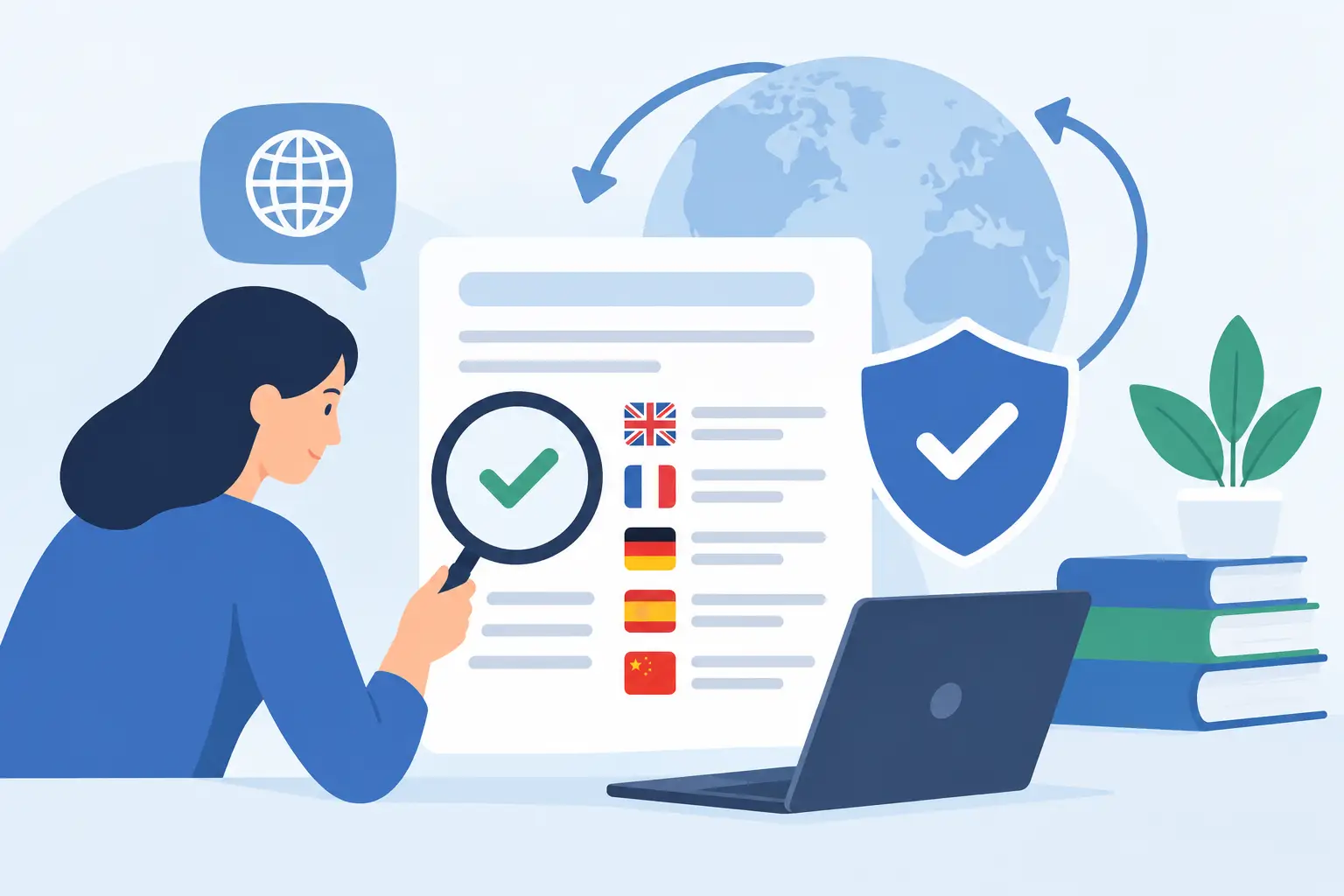
This guide to translation quality assurance explains how expert review, terminology control, and secure workflows protect high-stakes communication well.
Read more
Pharmacovigilance translation services support clear, compliant safety reporting across languages, protecting patients and helping teams meet deadlines.
Read more
Human versus machine translation affects accuracy, privacy, cost, and speed. Learn when expert linguists protect your most important communication needs.
Read more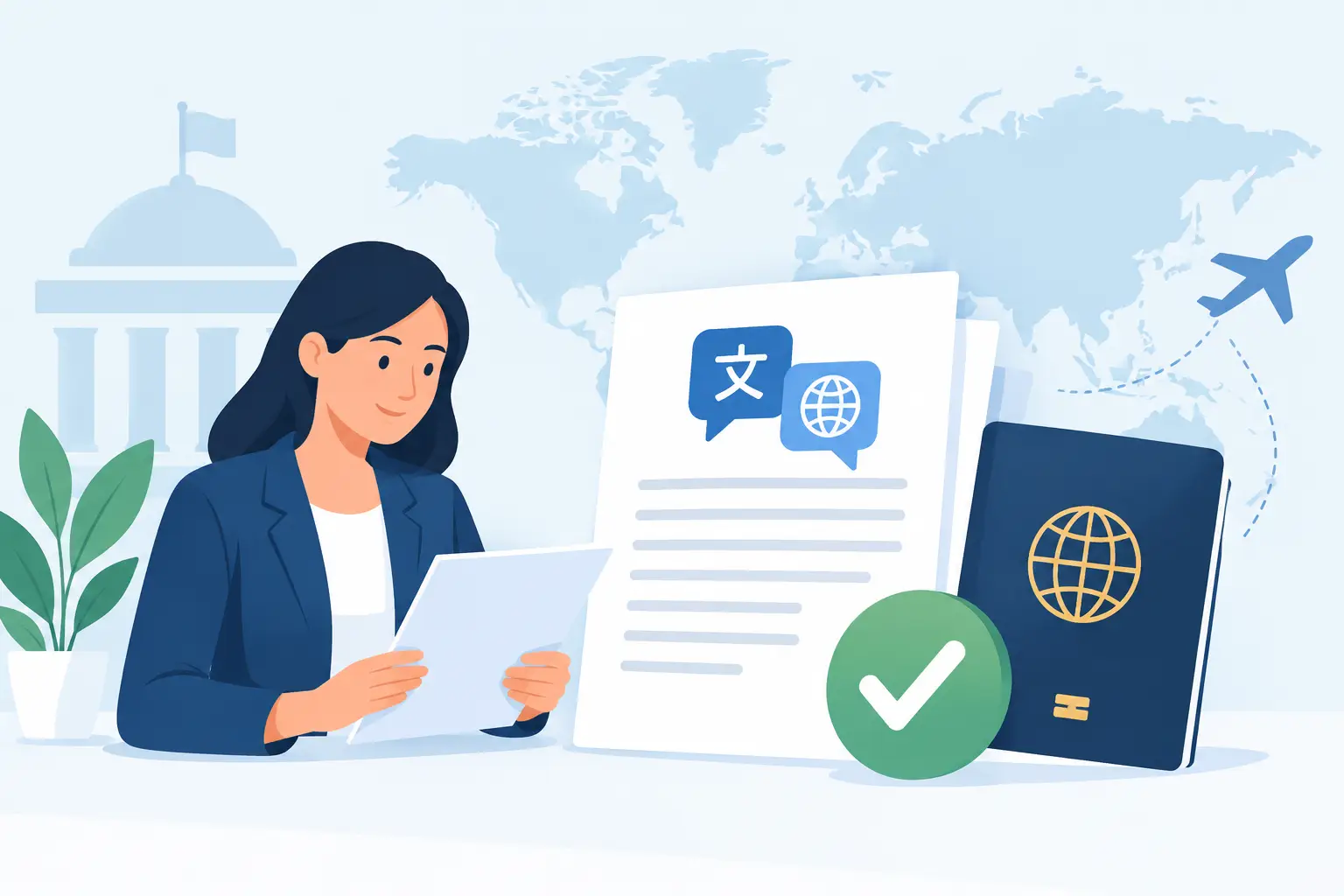
Get immigration translation results you can trust with certified document translations that protect meaning, meet USCIS needs, and keep cases moving.
Read more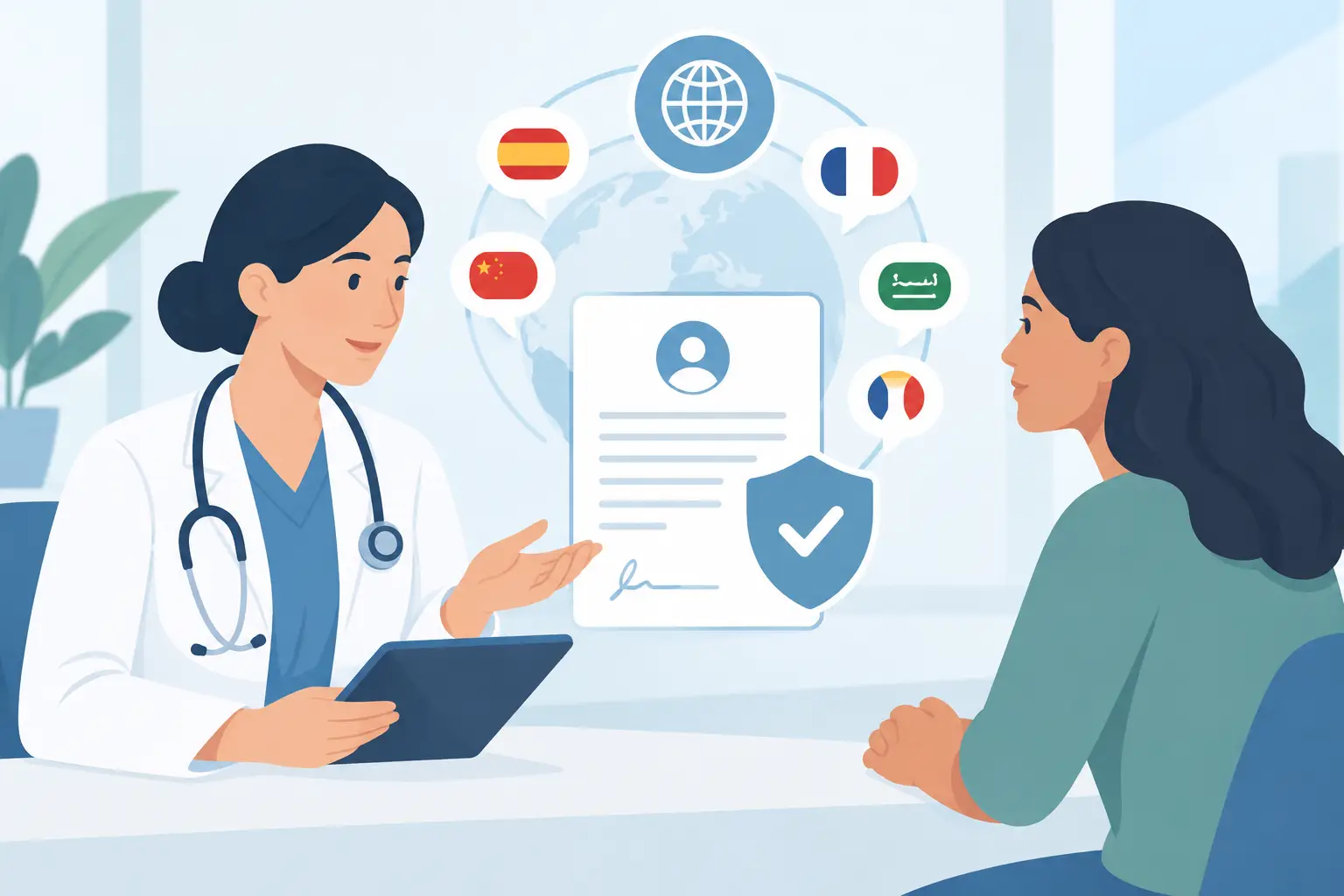
Medical consent translation protects patient choice, supports informed care, and helps providers communicate clearly across languages and cultures safely.
Read more
Lenguae aims to teach language in a comprehensive way. With our courses, you will learn to understand and express yourself in both in writing and speaking, while also getting in touch with the culture of the countries that speak the language you’re learning. All our teachers are experienced in language teaching, being either native speakers or having lived abroad.
Career at Lenguae
