
A Guide to Translation Quality Assurance
This guide to translation quality assurance explains how expert review, terminology control, and secure workflows protect high-stakes communication well.
Read more
A missed qualifier in a contract, an inconsistent name in an immigration filing, or a loosely translated court record can create delays that are far more expensive than the translation itself. Legal translation is not simply converting words from one language into another. It is the careful transfer of legal meaning, intent, terminology, and document structure so the translated record can be understood and used with confidence.
For law firms, government agencies, employers, healthcare organizations, and individuals, the stakes are practical. A translation may support a visa application, a litigation matter, a business transaction, a regulatory review, or a family’s access to essential services. The right language partner helps protect confidentiality, reduce uncertainty, and keep important processes moving.
Legal writing is precise by design. Words such as “shall,” “may,” “waive,” “indemnify,” and “without prejudice” carry consequences that can change based on context and jurisdiction. A translator must understand not only both languages, but also how legal concepts operate in the source and target cultures.
Direct word-for-word translation is rarely enough. Some legal systems use concepts that have no exact equivalent elsewhere. A skilled legal translator evaluates the purpose of the document, identifies the closest accurate legal expression in the target language, and preserves the source document’s meaning without adding interpretation or changing its effect.
Formatting matters, too. Court filings, birth certificates, corporate resolutions, affidavits, patents, and agreements often need to retain headings, stamps, signatures, tables, dates, and numbered clauses. A complete translation should make it easy for the receiving party to compare the translated document with the original.
This work calls for native-level language ability, legal subject-matter knowledge, disciplined quality review, and secure document handling. Fluency is the starting point, not the standard.
The need can arise in nearly any legal or regulated setting. Attorneys may need discovery materials, witness statements, deposition exhibits, police reports, expert reports, or foreign-language correspondence translated for review and filing. Corporate teams may need commercial agreements, employment policies, supplier contracts, intellectual property documents, compliance materials, or merger records.
Individuals frequently need certified translations of vital records for immigration, education, marriage, citizenship, relocation, or court matters. These may include birth certificates, marriage certificates, divorce decrees, passports, diplomas, transcripts, bank statements, and letters of employment.
Public-sector and community-facing organizations also rely on accurate legal language for notices, public benefits materials, housing documents, consent forms, administrative hearings, and civil rights communications. In each case, the audience and intended use should shape the translation process.
A certified translation typically includes a signed statement from the translation provider or translator affirming that the translation is complete and accurate to the best of their knowledge and ability. This certification is often requested by USCIS, courts, schools, licensing boards, and other institutions receiving official foreign-language documents.
Requirements vary. Some recipients accept a standard certificate of translation accuracy, while others request notarization, a particular layout, or an original signature. Notarization does not verify the translation itself. It generally verifies the identity of the person signing the certification. Because rules differ, it is wise to confirm the receiving organization’s requirements before submitting an order.
A dependable provider will ask how and where the translation will be used. That simple question can prevent an applicant from receiving a document that is accurate but missing a required certification or formatting detail.
Legal terminology receives deserved attention, but context is equally important. Consider the word “charge.” Depending on the document, it may refer to a criminal accusation, a fee, a responsibility, or an electrical quantity. A translator cannot select the right equivalent without understanding the surrounding language and the document’s purpose.
Names, dates, addresses, and identifying numbers require the same care. In immigration and court documents, a small inconsistency between a translated record and another filing can prompt questions or delays. Transliteration also needs a consistent approach, particularly for names originally written in non-Latin scripts.
Quality legal translation includes a review process that checks terminology, completeness, numerical data, formatting, and consistency across related documents. For larger matters, glossaries and translation memories can help keep recurring terms, party names, and clause language aligned. These tools support experienced linguists; they do not replace their judgment.
Legal documents often contain information that should be handled with exceptional care: case strategy, medical records, financial details, trade secrets, immigration history, employee information, and personally identifiable data. Sending these materials through informal channels or relying on unknown translators can create unnecessary risk.
Professional language services should use secure workflows and work with translators and interpreters who understand confidentiality expectations. Access to files should be limited to the people involved in the project, and the provider should be prepared to follow client security procedures when required.
For legal teams, confidentiality also means clear project management. You need to know who is handling the work, what language pair is involved, when the translation will be delivered, and how questions will be resolved. A reliable process gives clients visibility without creating extra administrative burden.
Machine translation can be useful for quickly understanding the general topic of an informal message. It is not a safe substitute for professional legal translation when a document will be filed, signed, relied upon in a dispute, or used to make a decision about someone’s rights or obligations.
Automated tools may miss negation, mishandle ambiguous terms, omit text in complex formatting, or produce language that sounds natural but changes the legal meaning. They also raise confidentiality concerns when sensitive material is entered into a public platform without clear data protections.
The appropriate level of service depends on the risk. A short internal document may need a fast professional translation for general review. A contract being negotiated across borders may benefit from a translator with relevant commercial experience and a second linguistic review. Court-bound documents, immigration evidence, and regulatory submissions often require certified translation and careful formatting. The more consequential the use, the less room there is for shortcuts.
Translation concerns written text. Interpretation concerns spoken communication. Legal matters often require both.
An attorney may need translated exhibits before a hearing, then a qualified interpreter for a client meeting, deposition, mediation, interview, or court appearance. Remote interpretation can be an effective option for time-sensitive consultations or geographically dispersed participants, while on-site interpretation may be preferable for proceedings that involve extensive documents, multiple speakers, or complex interpersonal dynamics.
The key is to match the format to the situation. Asking a bilingual employee, family member, or untrained volunteer to interpret in a legal setting can lead to omissions, conflicts of interest, and misunderstandings. Professional interpreters are trained to render what is said accurately and impartially while respecting confidentiality.
A smooth project begins with complete information. Provide clear, legible copies of every page, including blank pages with stamps or relevant markings. Explain the intended use, receiving organization, required deadline, language pair, and whether certification or notarization is needed.
If the document is part of a larger matter, share approved terminology, prior translations, preferred spelling of names, and relevant reference materials when available. These details help the translator make informed, consistent choices from the beginning.
It also helps to build in review time. Rush service can be appropriate when a filing deadline cannot move, but complex documents deserve enough time for terminology research, translation, editing, and final formatting checks. Fast delivery and quality can work together when the provider has the right linguists and workflow in place, but advance planning remains the most reliable way to control cost and reduce pressure.
The best legal translation provider is not simply the one that promises the lowest price or fastest turnaround. Look for a team that can explain its certification process, assign linguists with relevant experience, protect sensitive information, and communicate clearly about scope and timing. Broad language coverage also matters when a case or organization involves multiple communities.
Lenguae supports clients with native human translators, specialized language services, certified document translation, and flexible delivery options for legal and related high-stakes needs. Whether you are preparing a single immigration document or coordinating multilingual materials for an active legal matter, the goal is the same: communication that holds up when it counts.
Before you submit, sign, file, or rely on a translated document, give its language the same attention you give its legal substance. A careful translation helps every party focus on the facts, rights, and decisions at hand.
Send us your documents
now and we will get back to
you with a free quote!
"The methodology, material and excellent teachers make Lenguae the best option for the personalized of English, as the learning.”
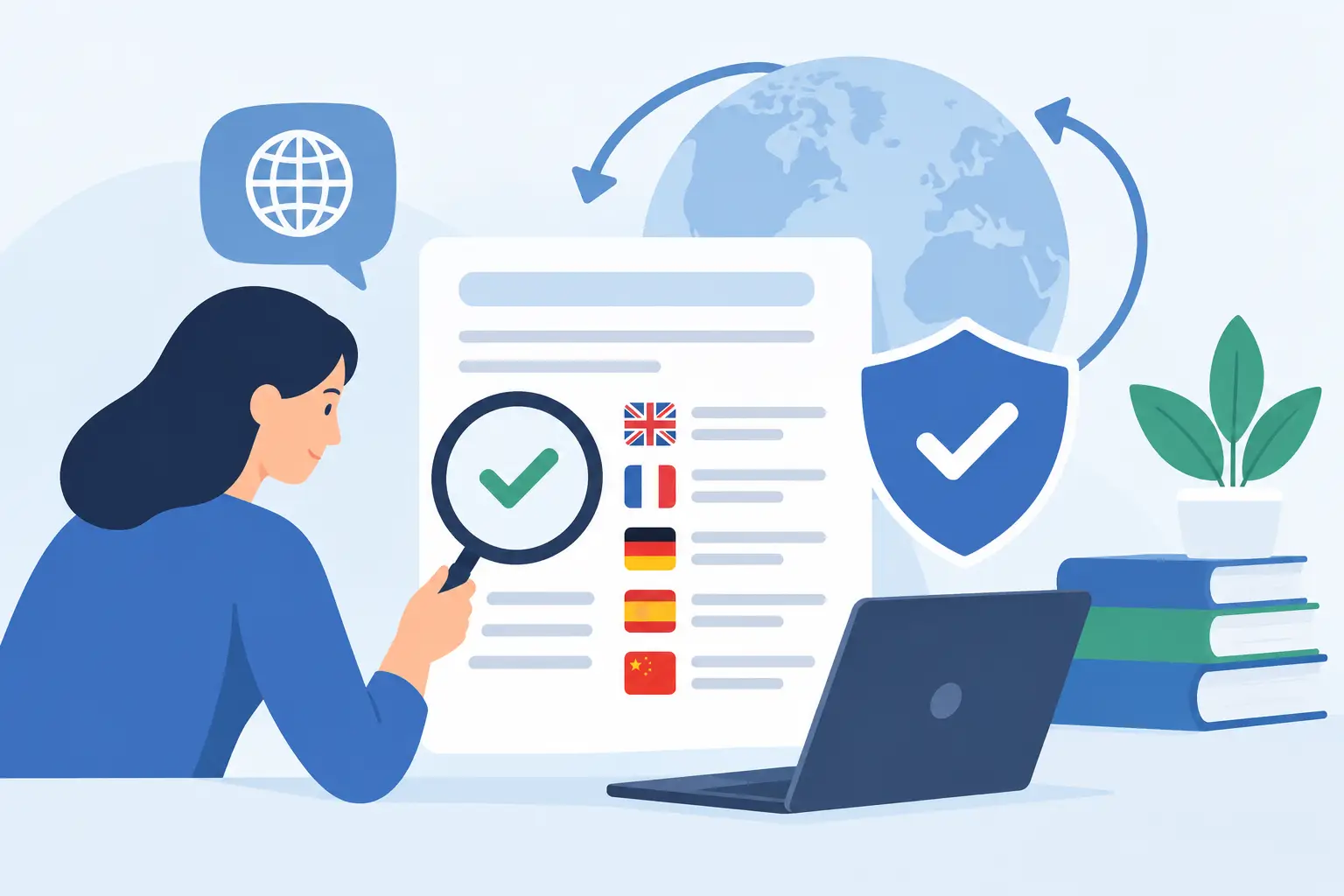
This guide to translation quality assurance explains how expert review, terminology control, and secure workflows protect high-stakes communication well.
Read more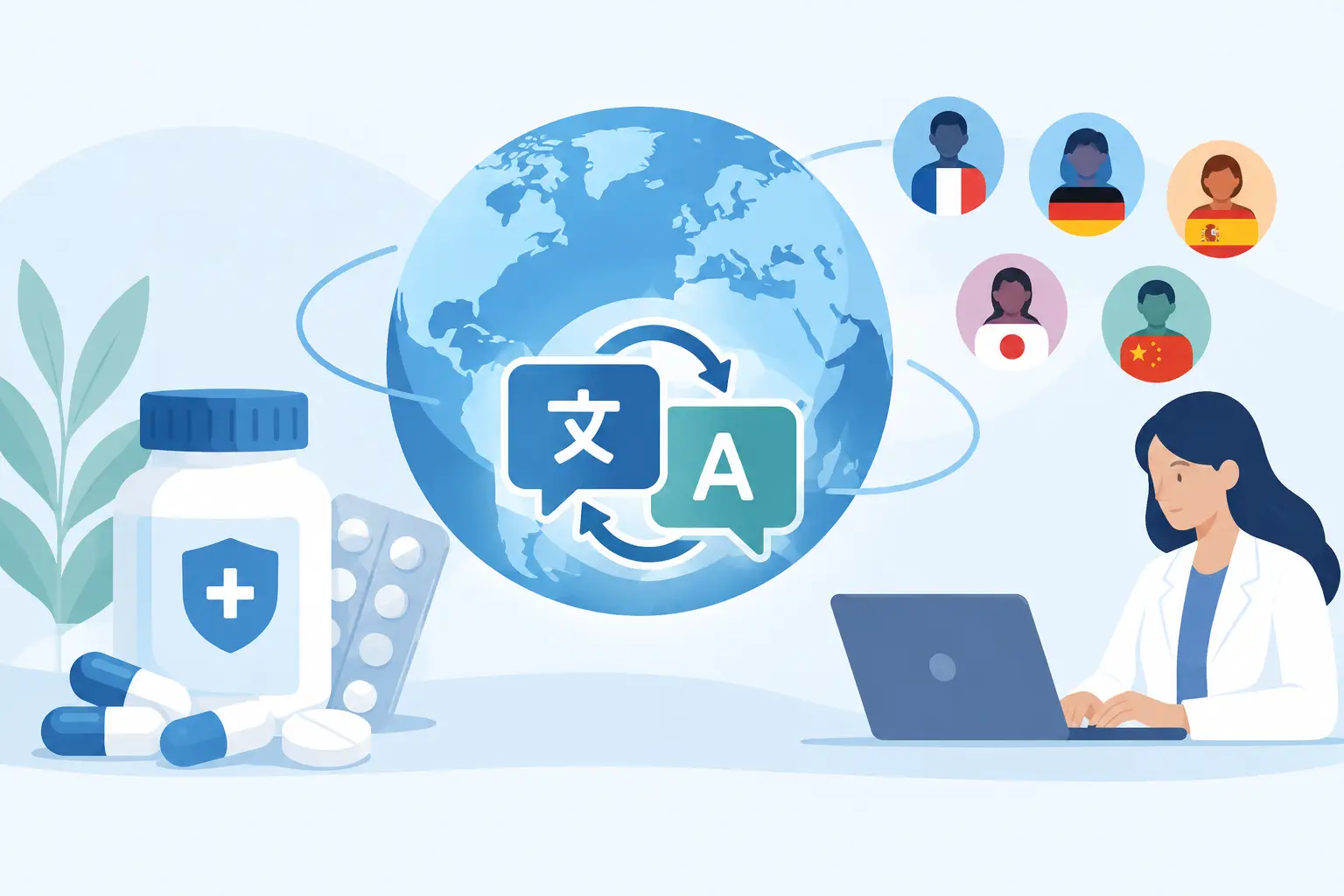
Pharmacovigilance translation services support clear, compliant safety reporting across languages, protecting patients and helping teams meet deadlines.
Read more
Human versus machine translation affects accuracy, privacy, cost, and speed. Learn when expert linguists protect your most important communication needs.
Read more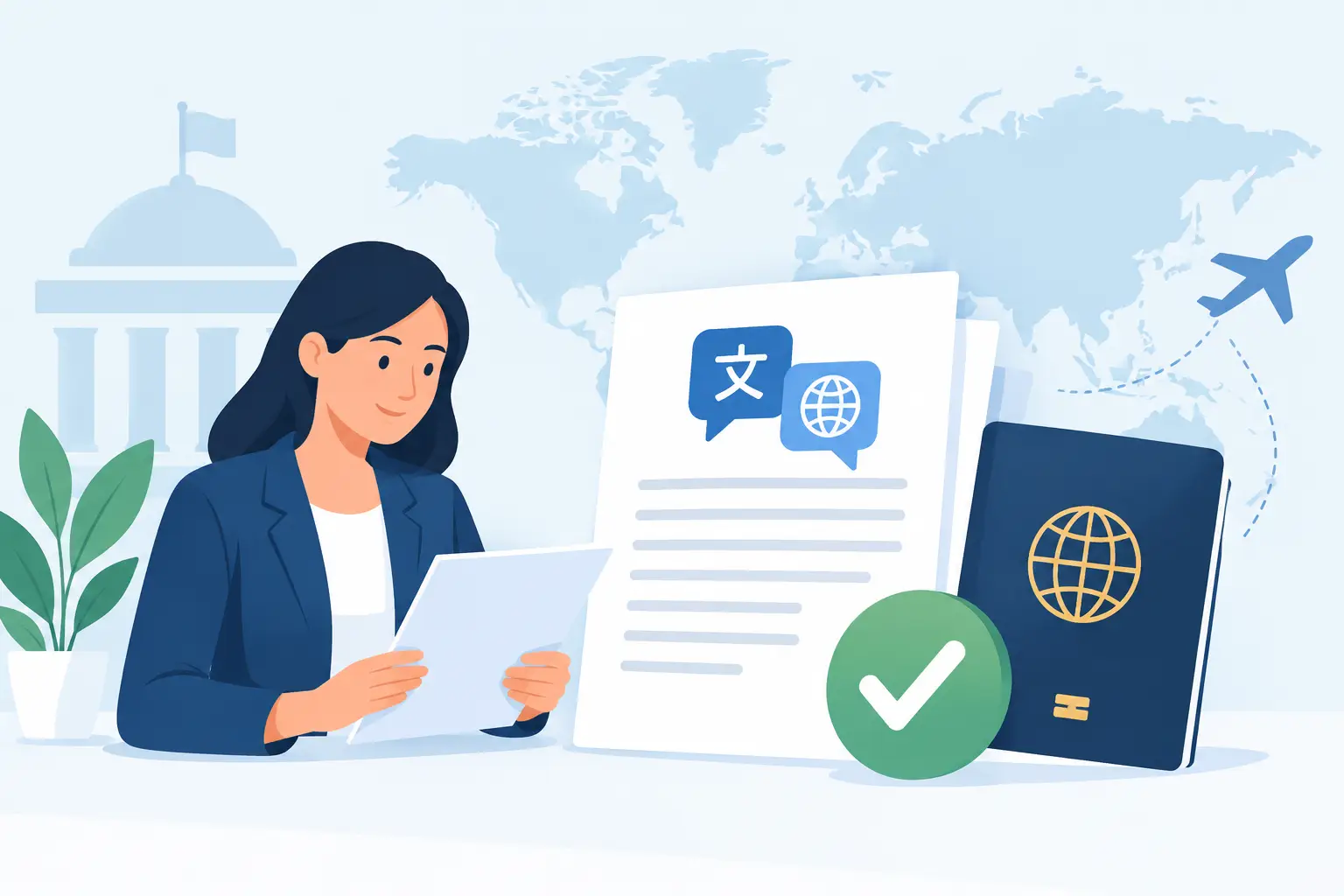
Get immigration translation results you can trust with certified document translations that protect meaning, meet USCIS needs, and keep cases moving.
Read more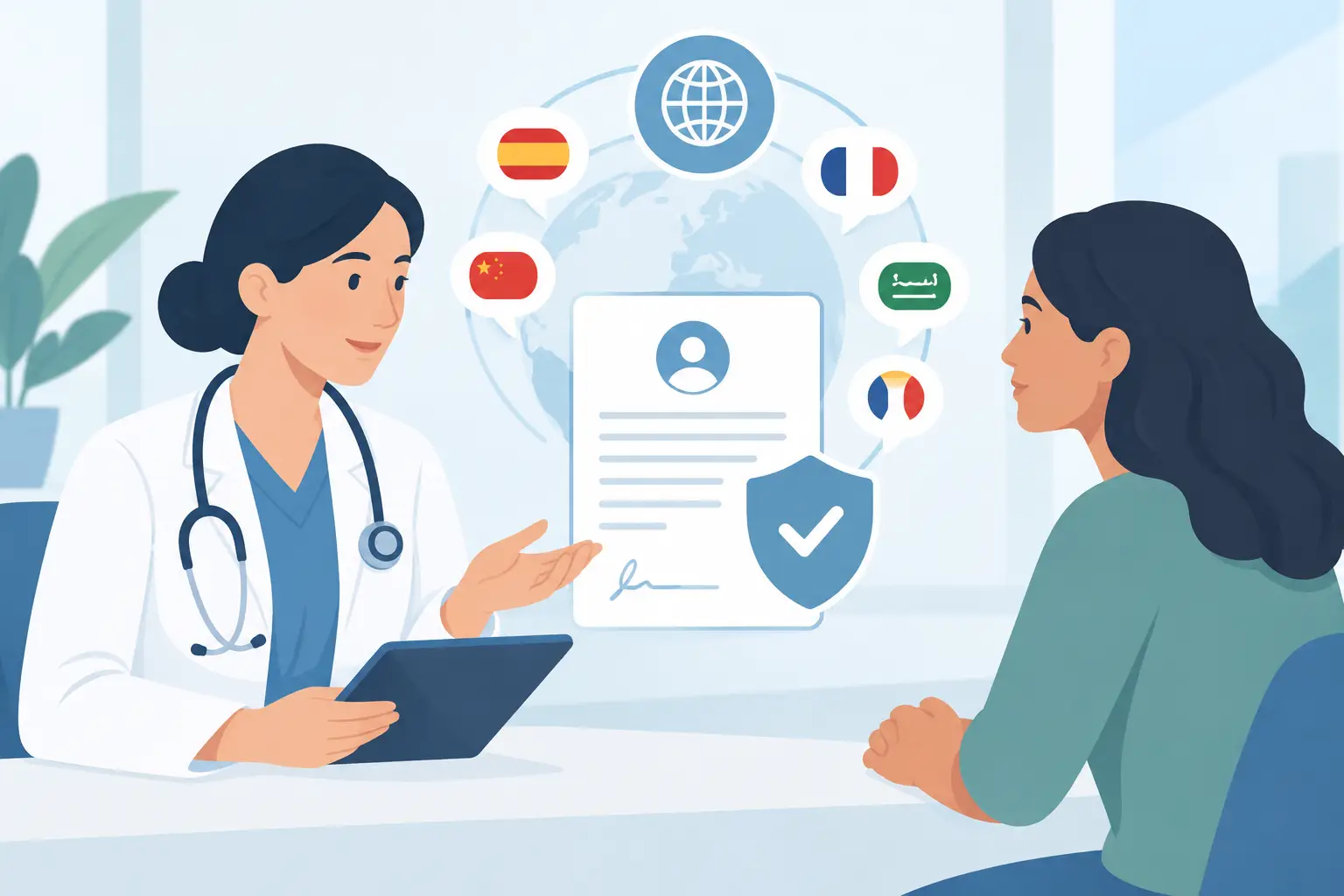
Medical consent translation protects patient choice, supports informed care, and helps providers communicate clearly across languages and cultures safely.
Read more
Lenguae aims to teach language in a comprehensive way. With our courses, you will learn to understand and express yourself in both in writing and speaking, while also getting in touch with the culture of the countries that speak the language you’re learning. All our teachers are experienced in language teaching, being either native speakers or having lived abroad.
Career at Lenguae
