
Government Translation That Keeps Services Accessible
Government translation gives agencies accurate, confidential communication and interpretation so residents can access vital public services with confidence.
Read more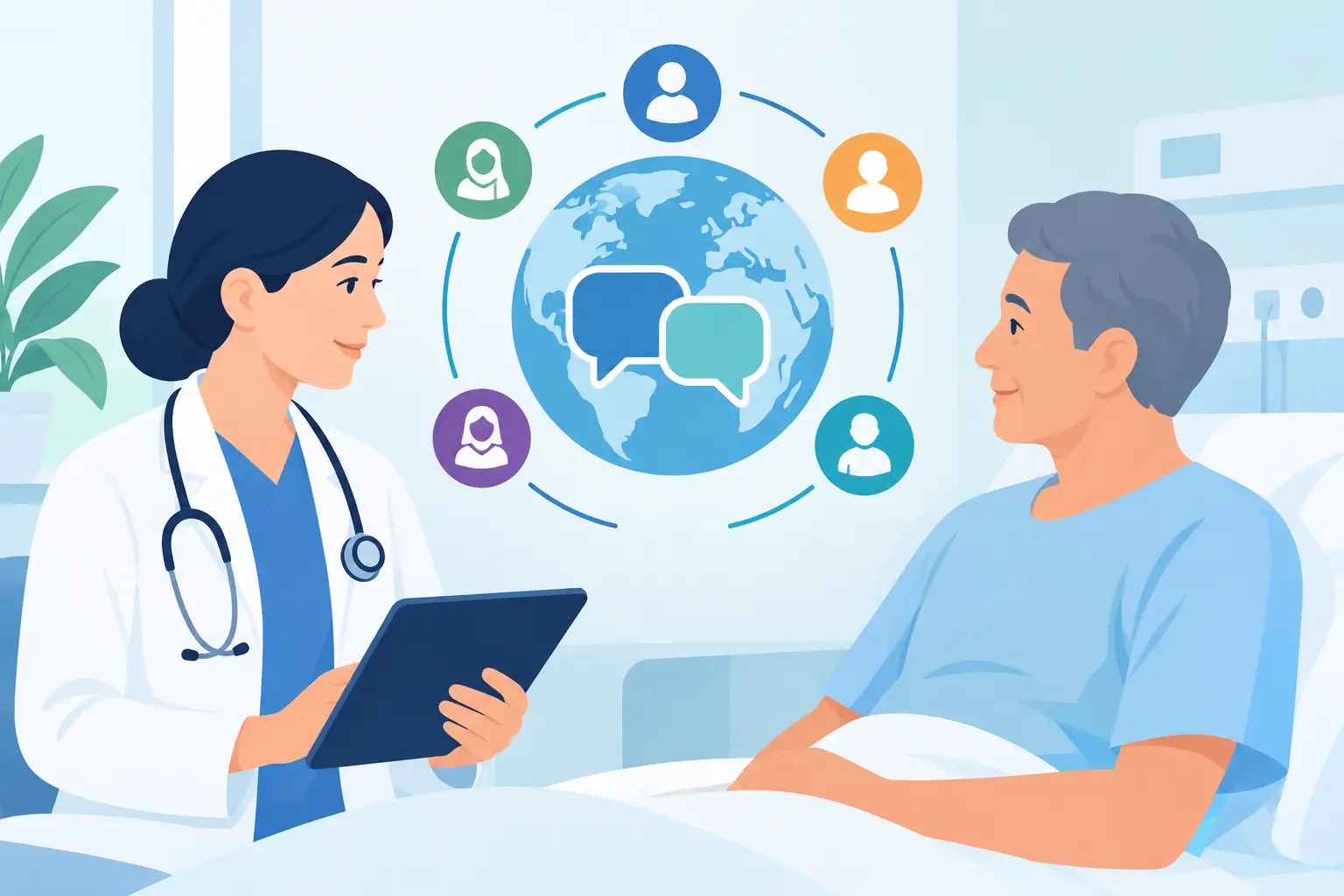
A medication instruction translated one word incorrectly can change a dose, delay treatment, or leave a patient unsure whether to seek urgent care. Medical translation is not simply converting text from one language to another. It is a patient-safety service that must preserve clinical meaning, meet privacy expectations, and make essential information understandable to the people relying on it.
For hospitals, physician groups, pharmaceutical organizations, public health agencies, and patients managing care across languages, the stakes are personal and practical. Accurate translated materials support informed decisions, stronger adherence, and more equitable access to care. Poorly handled materials can create confusion at exactly the moment clarity matters most.
Medical translation includes a wide range of documents, each with its own audience, terminology, and compliance concerns. A discharge summary requires precise clinical language. A patient education brochure must be medically accurate while still being easy for a non-specialist to understand. A clinical trial consent form must communicate risks and procedures clearly without changing the legal or scientific intent.
Common projects include patient intake forms, discharge instructions, medication guides, consent forms, medical records, insurance correspondence, diagnostic reports, public health notices, clinical trial materials, pharmaceutical labeling, training manuals, and device documentation. The best approach depends on the document’s purpose, the reader, and the consequences of an error.
For example, a literal translation may preserve every technical term in a physician-facing protocol, but it may not be appropriate for a patient handout. Patient-facing content often needs controlled plain language so that accuracy and comprehension work together. That is not simplifying the medicine. It is communicating it responsibly.
Medical terminology is highly specific, but terminology alone is not the full challenge. Translators must understand how terms function in context, recognize regional language differences, and know when a phrase has a clinical, legal, or everyday meaning.
Consider the difference between a symptom, a diagnosis, and a suspected diagnosis. Or the distinction between a medication that should be taken “as needed” and one that must be taken at a defined interval. Those details cannot be guessed from a dictionary. They require qualified human translators with medical knowledge and a disciplined quality process.
Cultural context also affects whether information is understood and acted upon. Instructions about preventive care, mental health, reproductive health, diet, or follow-up appointments may need careful wording to avoid ambiguity or unintended stigma. A culturally competent translation respects the patient without altering the provider’s clinical message.
Machine translation can be useful for low-risk internal drafting, but it is not a substitute for professional review when health decisions, compliance obligations, or confidential records are involved. Automated tools may miss context, mishandle abbreviations, or produce a phrase that sounds natural but changes the meaning. In healthcare, fluency is not the same as accuracy.
The right medical translation process begins before the first word is translated. A language partner should ask who will read the document, where it will be used, whether certification is required, and how quickly it is needed.
A certified translation of an immunization record or medical report may be needed for immigration, school enrollment, a visa application, or continuity of care. In these cases, the translated document should accurately reflect the source formatting and include the appropriate certification statement. A patient education campaign, by contrast, may benefit from formatting support and translation review focused on readability.
Clinical research and pharmaceutical content call for another level of coordination. Trial protocols, investigator brochures, adverse-event reports, and informed consent forms often require terminology consistency across multiple documents and languages. A single approved glossary can prevent a condition, procedure, or product name from being rendered differently from one document to the next.
Turnaround time matters too. An urgent referral, hospital discharge, or public health alert cannot wait for a standard production schedule. Still, speed should not remove the safeguards that protect meaning. The goal is an efficient workflow with qualified translators, review procedures, and clear communication about deadlines and source-file quality.
Strong results come from a process designed for risk, not just volume. First, the source document is reviewed for legibility, missing pages, handwritten notes, abbreviations, and unclear text. Starting with a complete, readable source prevents avoidable delays and helps the translator identify questions early.
The project is then assigned to a native-language professional with relevant subject-matter experience. A translator who regularly handles healthcare materials understands common clinical conventions and knows when a term requires research or clarification. For specialized projects, terminology resources and client-approved references help maintain consistency.
Quality assurance should include careful editing or review, particularly for high-stakes documents. This review checks more than spelling. It confirms terminology, numbers, dates, dosage units, names, warnings, omissions, and formatting. A translated decimal, a missed negative instruction, or an incorrect date of birth can have serious consequences.
Confidentiality must remain part of the workflow from intake through delivery. Medical records and healthcare documents may contain protected health information, so clients should work with a provider that uses secure file handling, limited access, and professional confidentiality practices. Sending sensitive materials through informal channels or relying on unvetted translators introduces unnecessary risk.
Finally, the delivered file should be usable. If staff need a bilingual form, a print-ready brochure, or a translated document that mirrors the original layout, formatting is part of the service outcome. A correct translation that is difficult to navigate can still slow patient care.
Healthcare teams often need both translation and interpretation, but the services solve different problems. Translation applies to written content such as forms, records, consent documents, and instructions. Interpretation supports spoken communication during appointments, admissions, care conferences, telehealth visits, and community outreach.
Using a patient’s relative or a bilingual staff member without interpreter training may seem convenient, but it can compromise privacy and accuracy. Sensitive information may be softened, omitted, or misunderstood. Professional medical interpreters help providers and patients communicate directly while preserving confidentiality and impartiality.
The same principle applies to remote care. Video and phone interpreting can make qualified language support available quickly when an on-site interpreter is not practical. For complex diagnoses, lengthy consultations, or emotionally sensitive conversations, the right format depends on the patient, setting, language availability, and clinical needs.
Clients can improve speed and accuracy by providing complete, final source files whenever possible. If a document contains preferred terminology, product names, prior translations, or required wording, share those materials at the start. They provide valuable direction and reduce unnecessary revisions.
It also helps to specify the target language and, when relevant, the intended regional audience. Spanish for a patient population in Connecticut may require different wording choices than Spanish intended for another market. The same consideration can apply to Portuguese, Chinese, Arabic, French, and many other languages.
Be clear about the document’s purpose, required delivery format, deadline, and whether certification is needed. If the material will be used in a clinical setting, describe who will use it and how. That context allows the translation team to recommend the appropriate level of review, formatting, and quality control.
Lenguae provides medical translation and healthcare interpretation support with native-language professionals, secure handling, and flexible delivery options for organizations and individuals. Whether the need is a single certified medical record or multilingual materials for an ongoing program, the service should fit the actual communication challenge rather than force clients into a one-size-fits-all process.
Clear language is part of quality care. When patients can read their instructions, understand their options, and ask questions in the language they know best, healthcare becomes safer, more inclusive, and more effective.
Send us your documents
now and we will get back to
you with a free quote!
"The methodology, material and excellent teachers make Lenguae the best option for the personalized of English, as the learning.”
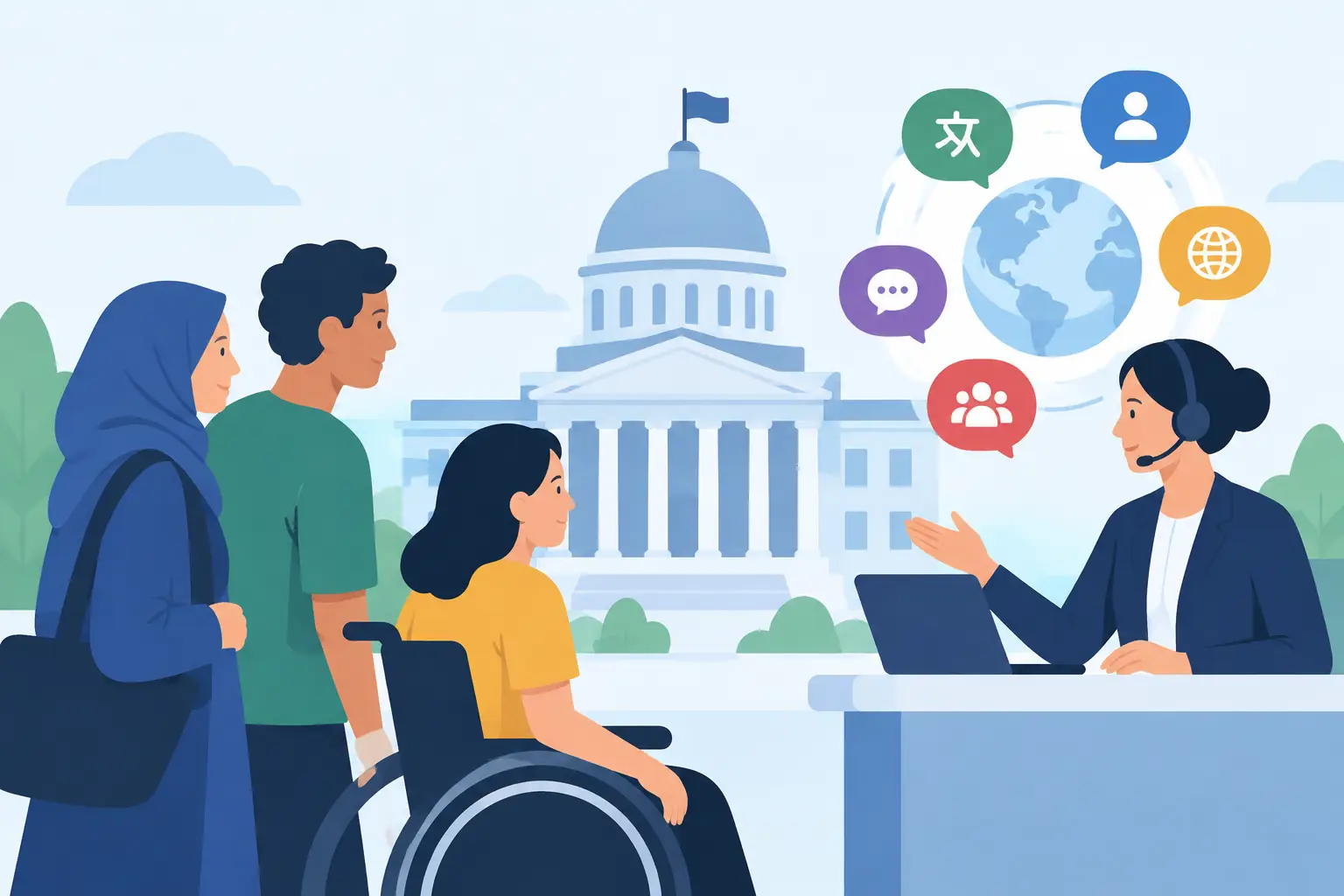
Government translation gives agencies accurate, confidential communication and interpretation so residents can access vital public services with confidence.
Read more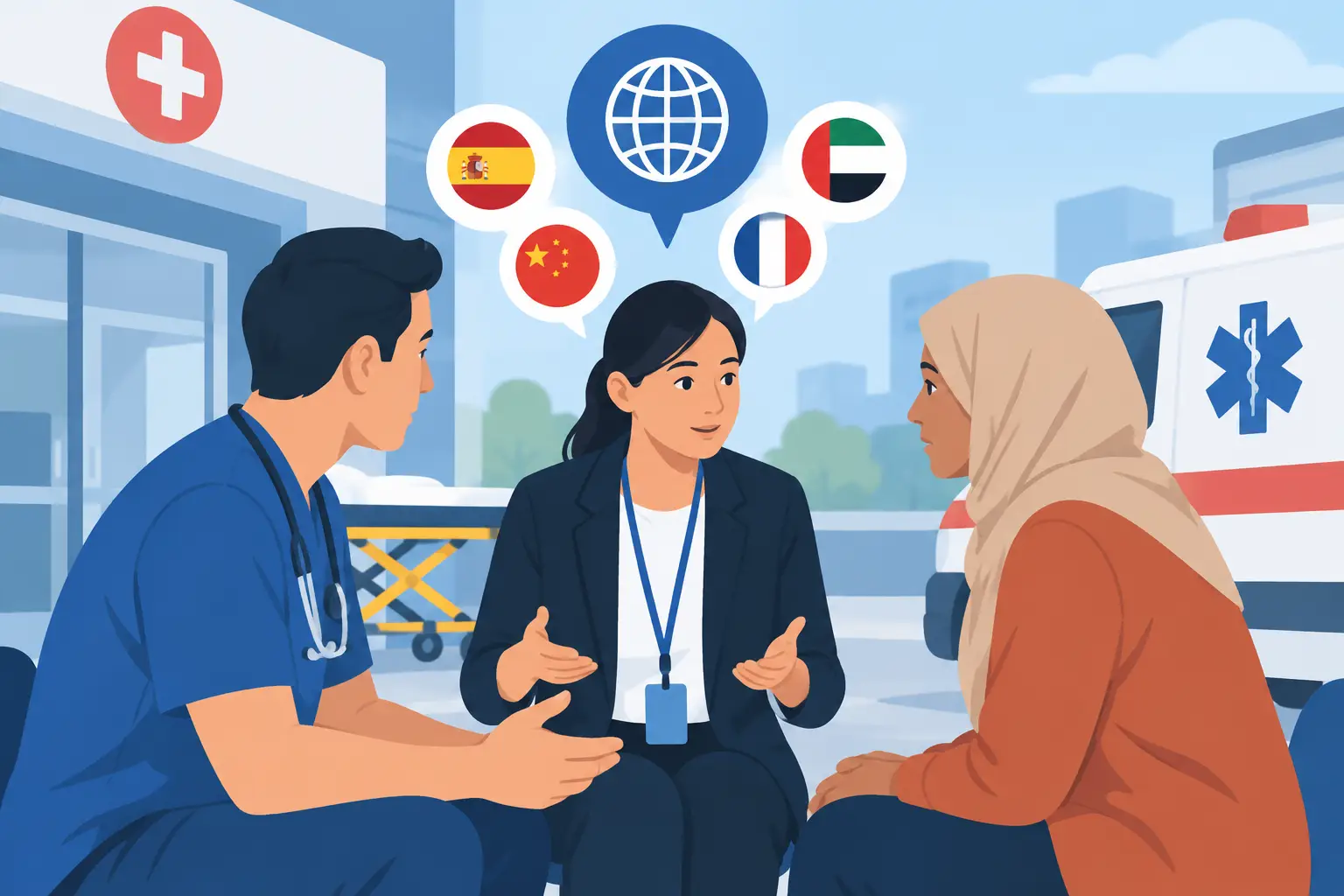
Emergency language interpretation gives healthcare, legal, and public agencies fast, accurate support when clear communication cannot wait in crises.
Read more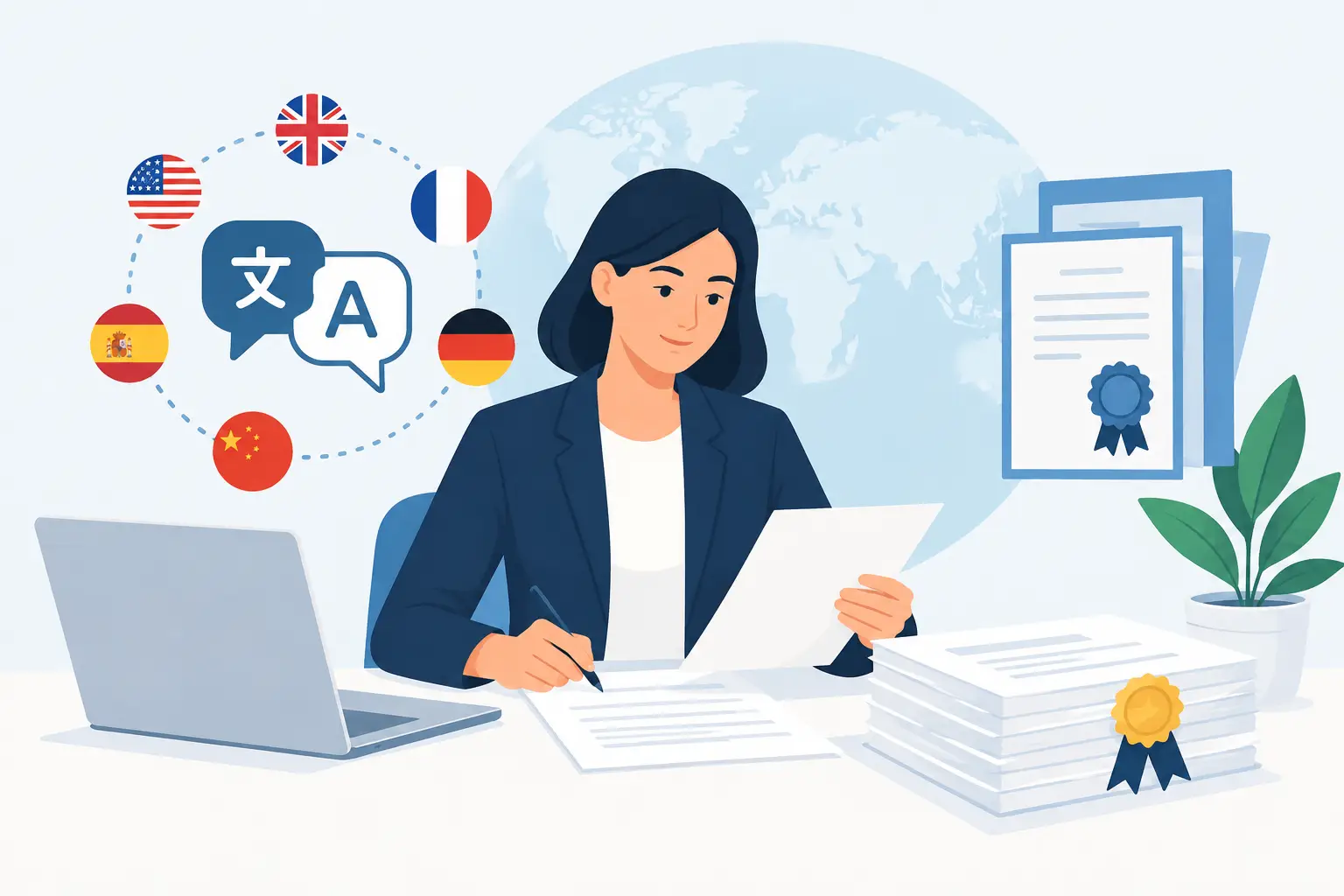
Why use certified translators? Learn how accurate, compliant translations protect immigration, legal, healthcare, academic, and business records quickly.
Read more
See which top documents needing certification need certified translation, notarization, or an apostille – and prepare your US submission correctly today.
Read more
Learn how to translate birth certificates for immigration, schools, courts, and more, with certified accuracy, privacy, and agency-ready formatting help.
Read more
Lenguae aims to teach language in a comprehensive way. With our courses, you will learn to understand and express yourself in both in writing and speaking, while also getting in touch with the culture of the countries that speak the language you’re learning. All our teachers are experienced in language teaching, being either native speakers or having lived abroad.
Career at Lenguae
